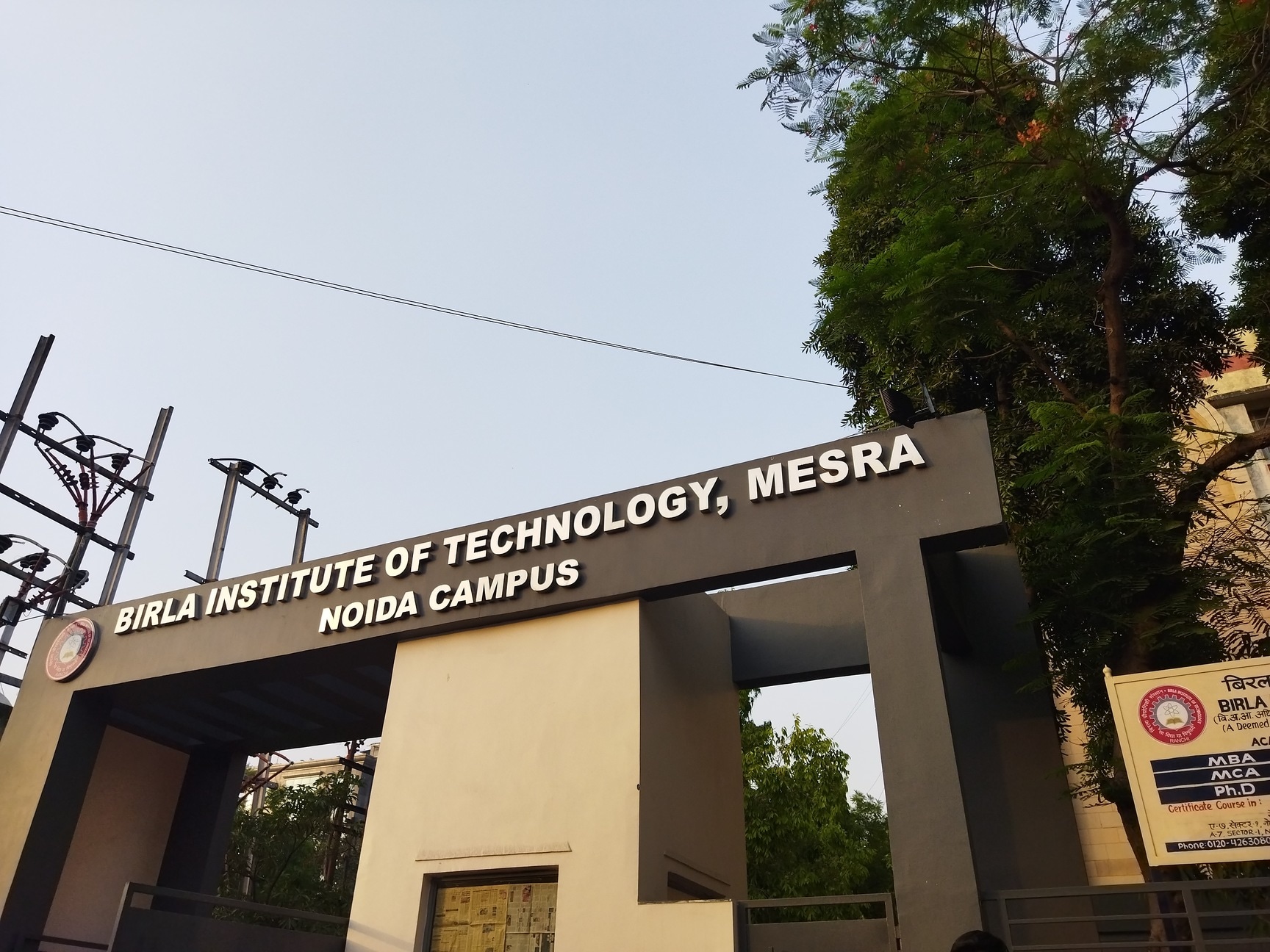
Ph.D. in Nanobiotechnology at Birla Institute of Technology
Introduction about Ph.D. in Nanobiotechnology at Birla Institute of Technology
The Ph.D. in Nanobiotechnology offered by the Birla Institute of Technology (BIT) stands at the intersection of nanoscience and biotechnology, empowering professionals to pioneer breakthroughs in drug delivery, diagnostics, and sustainable agriculture. With state‑of‑the‑art laboratories, interdisciplinary mentorship, and industry collaborations, BIT has become a hub for visionary research that transforms nanoscopic concepts into real‑world solutions.
Whether you aspire to lead a research team, contribute to high‑impact publications, or launch a start‑up, a doctorate from BIT equips you with the scientific rigor and entrepreneurial mindset needed to excel in the rapidly evolving field of nanobiotechnology.
Eligibility Criteria for Ph.D. in Nanobiotechnology at Birla Institute of Technology
- Master’s degree (M.Sc., M.Tech., M.Pharm.) in Biotechnology, Nanoscience, Chemical Engineering, or a related discipline with a minimum of 55% aggregate (or CGPA 6.0/10).
- Valid GATE score in Biotechnology, Chemical Engineering, or an equivalent exam is preferred but not mandatory.
- For candidates with a Bachelor’s degree (B.Tech/B.Sc.) plus a research-oriented postgraduate diploma, a minimum of 60% aggregate is required.
- Proficiency in English (IELTS/TOEFL) for international candidates.
- Applicants must demonstrate a strong foundation in molecular biology, nanomaterials synthesis, and analytical techniques.
Entrance Exam for Ph.D. in Nanobiotechnology at Birla Institute of Technology
BIT conducts its own entrance examination, the BIT Ph.D. Entrance Test (BIT-DET), which evaluates:
- Fundamental concepts in nanoscience, biochemistry, and material science.
- Analytical reasoning and problem‑solving abilities.
- Research aptitude through a written proposal summary.
Candidates with a valid GATE score may be exempted from the written test and proceed directly to the interview stage.
Fee Structure for Ph.D. in Nanobiotechnology at Birla Institute of Technology
| Category | Annual Tuition Fee (INR) | Additional Charges |
|---|---|---|
| General & OBC | 45,000 | Laboratory & Infrastructure: 12,000 Hostel (optional): 30,000 |
| SC/ST/PwD | 30,000 | Laboratory & Infrastructure: 12,000 Hostel (optional): 30,000 |
| Scholarship Holders (JRF/CSIR) | 0 (Waived) | Only minimal lab consumables fee: 5,000 |
All fees are payable at the beginning of the academic year. Late payment incurs a 5% penalty.
Admission Process for Ph.D. in Nanobiotechnology at Birla Institute of Technology
- Online Application: Submit the application form via the BIT portal, upload academic transcripts, research proposal, and two recommendation letters.
- Screening: The admissions committee reviews eligibility and research fit.
- Entrance Test / GATE Score: Appear for BIT‑DET or submit a valid GATE score.
- Interview: Selected candidates are invited for a virtual or on‑campus interview with faculty members.
- Final Selection: Admission offers are sent via email, followed by fee payment and enrollment.
Ph.D. Subjects and Specializations in Nanobiotechnology at Birla Institute of Technology
BIT offers a flexible curriculum that allows Ph.D. scholars to focus on one or more of the following specializations:
- Nanoparticle‑Based Drug Delivery Systems
- Bio‑Nanofabrication and Nano‑Sensors
- Nanostructured Biomaterials for Tissue Engineering
- Environmental Nanobiotechnology (e.g., nano‑remediation)
- Computational Nanobiology and Molecular Modeling
Research Areas in Nanobiotechnology at Birla Institute of Technology
The institute’s research clusters focus on high‑impact domains, including:
- Targeted Cancer Therapeutics using Liposomal Nanocarriers
- Point‑of‑Care Diagnostic Devices powered by quantum dots
- Smart Hydrogels for Controlled Release Applications
- Nanoparticle‑Mediated Gene Editing
- Bio‑Nano Interfaces for Neural Prosthetics
Collaborations with biotech firms and national labs provide real‑world exposure and funding opportunities.
Documents Required for Ph.D. in Nanobiotechnology at Birla Institute of Technology
| Document | Details |
|---|---|
| Academic Transcripts | Original mark sheets of all degrees (scanned copy for upload) |
| Degree Certificates | Original degree certificate(s) or provisional certificate |
| Research Proposal | 2‑3 page abstract outlining objectives, methodology, and expected outcomes |
| Recommendation Letters | Two letters from academicians or industry mentors |
| GATE Score Card (if applicable) | Valid for the current admission cycle |
| Identity Proof | Aadhar Card / Passport |
Birla Institute of Technology Ph.D. Syllabus for Nanobiotechnology
The doctoral syllabus is designed to build a strong theoretical base followed by intensive research work.
- Core Modules: Advanced Nanomaterials, Molecular Biology Techniques, Bio‑Instrumentation, Computational Modeling.
- Elective Modules: Nano‑Ethics, Intellectual Property Management, Entrepreneurship in Biotechnology.
- Seminars & Workshops: Monthly research symposiums with industry experts.
- Thesis Work: Minimum of 3 peer‑reviewed publications or equivalent research output.
How To Apply for Ph.D. in Nanobiotechnology at Birla Institute of Technology
Follow these steps to submit a successful application:
- Visit the official BIT admissions portal and create a user account.
- Fill in personal and academic details accurately.
- Upload the required documents (refer to the Documents section).
- Pay the non‑refundable application fee of INR 2,500 online.
- Submit the research proposal and await the confirmation email for the entrance test or interview schedule.
For assistance with proposal writing, consider exploring Thesis and Dissertation Writing Services.
Career Scope and Job Opportunities After Ph.D. in Nanobiotechnology from Birla Institute of Technology
Graduates emerge as sought‑after experts in both academia and industry. Typical career pathways include:
- Assistant/Associate Professor in leading universities.
- Research Scientist at biotech giants such as Biocon, Serum Institute, or international firms like Amgen.
- Product Development Manager for nano‑based diagnostics.
- Entrepreneur – founding start‑ups focused on nanomedicine platforms.
- Policy Advisor for governmental bodies shaping nanotech regulations.
Average salary packages range from INR 12–20 Lakhs per annum in industry and INR 8–12 Lakhs in academia (initial years).
Scholarship for Ph.D. in Nanobiotechnology at Birla Institute of Technology
BIT provides several financial aid options:
- Junior Research Fellowship (JRF) – Full tuition waiver and monthly stipend of INR 31,000.
- CSIR/UGC Fellowships – Covered tuition and research grants.
- BIT Merit Scholarships – Based on academic performance (up to 50% fee reduction).
- Industry Sponsored Projects – Stipends linked to project milestones.
Students may also benefit from Research Data Analysis Services to accelerate their project timelines.
FAQs Regarding Ph.D. in Nanobiotechnology at Birla Institute of Technology
- Q: Is a G








