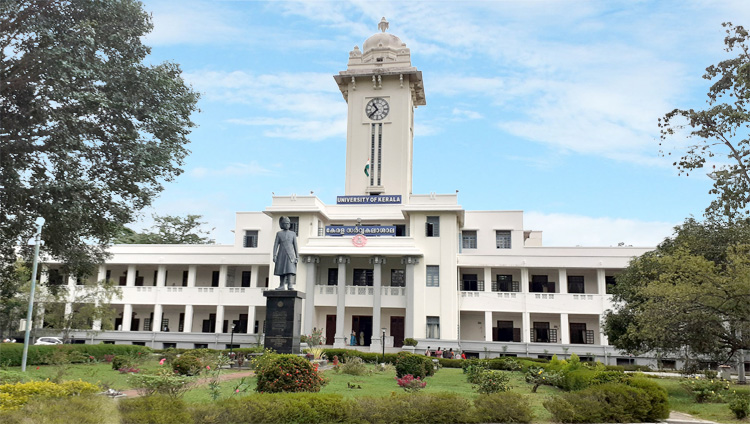
Ph.D. in Nanotechnology from Kerala University: Eligibility, Entrance Exam, Fee Structure, Admission Process, Subjects, Research Areas, Syllabus, Scholarship & Career Scope
Introduction about Ph.D. in Nanotechnology at Kerala University
Kerala University stands at the forefront of cutting‑edge research, offering a Ph.D. in Nanotechnology that equips professionals with the expertise to drive innovation across sectors such as healthcare, electronics, energy, and material science. This doctoral program blends rigorous coursework with hands‑on research, fostering an environment where curiosity meets practical impact. Whether you aim to lead groundbreaking projects or enrich academic discourse, the Nanotechnology doctorate at Kerala University provides the platform to transform your vision into reality.
Eligibility Criteria for Ph.D. in Nanotechnology at Kerala University
- Master’s degree (M.Sc., M.Tech., M.S., or equivalent) with a minimum of 55% aggregate or CGPA ≥ 6.0 on a 10‑point scale.
- For candidates with a Bachelor’s degree (B.E./B.Tech.) in a related discipline, a minimum of 60% aggregate is required.
- Valid GATE/UGC‑NET score (optional but preferred) in Physics, Chemistry, Materials Science, or related subjects.
- Demonstrated proficiency in English (IELTS/TOEFL not mandatory for Indian nationals).
- Research proposal aligned with the department’s focus areas.
Entrance Exam for Ph.D. in Nanotechnology at Kerala University
Prospective scholars must clear the university‑conducted entrance examination, which evaluates:
- Fundamental concepts in physics, chemistry, and material science.
- Analytical reasoning and problem‑solving abilities.
- Research aptitude through a written proposal and an interview.
The exam is offered twice a year (June and December). Candidates can also gain admission based on a satisfactory GATE/NET score, bypassing the university entrance test.
Fee Structure for Ph.D. in Nanotechnology at Kerala University
| Category | Annual Fee (INR) | Additional Charges |
|---|---|---|
| General Category | ₹ 45,000 | Lab usage: ₹ 5,000 per semester |
| SC/ST/PWD | ₹ 30,000 | Lab usage: ₹ 5,000 per semester (waived for fully funded scholars) |
| Fully Funded Scholarship | ₹ 0 (tuition waived) | Stipend: ₹ 15,000 per month |
Admission Process for Ph.D. in Nanotechnology at Kerala University
- Online Application: Fill the candidature form on the university portal and upload academic transcripts, research proposal, and identification proof.
- Entrance Examination / GATE/NET Score Verification: Appear for the entrance test or submit valid GATE/NET scores.
- Interview: Shortlisted candidates are invited for a technical interview with the department faculty.
- Document Verification: Submit original certificates for verification at the Admission Office.
- Enrollment: Pay the registration fee and receive the admission letter.
Ph.D. Subjects and Specializations in Nanotechnology at Kerala University
The program offers a range of specializations, allowing candidates to tailor their research:
- Nanomaterials Synthesis and Characterization
- Nanobiotechnology and Drug Delivery Systems
- Nanoelectronics and Quantum Devices
- Energy Harvesting and Nano‑photovoltaics
- Environmental Nanotechnology and Sustainable Materials
Research Areas in Nanotechnology at Kerala University
Kerala University’s research ecosystem thrives on interdisciplinary collaboration. Key research thrusts include:
- Development of graphene‑based composites for flexible electronics.
- Targeted cancer therapy using functionalized nanoparticles.
- Design of nanoscale sensors for real‑time environmental monitoring.
- Carbon‑nanotube reinforced structural materials.
- Photocatalytic nanomaterials for water purification.
Documents Required for Ph.D. in Nanotechnology at Kerala University
| Document | Details |
|---|---|
| Academic Transcripts | Mark sheets & certificates of all postgraduate/post‑doctoral qualifications. |
| Research Proposal | 2‑3 page statement outlining objectives, methodology, and expected outcomes. |
| Identification Proof | Aadhaar Card / Passport (for Indian & International applicants). |
| GATE/NET Scorecard | Optional but advantageous; attach official scorecard. |
| Letter of Recommendation | Two academic references from supervisors or professors. |
Kerala University Ph.D. Syllabus for Nanotechnology
The doctoral syllabus is structured into three phases:
- Phase I – Core Courses (12 credits): Advanced Quantum Mechanics, Nanomaterials Characterization, Nano‑Fabrication Techniques, Research Methodology.
- Phase II – Electives (6 credits): Choose from Nano‑Medicine, Renewable Energy Nanotech, Nano‑Robotics, or Intellectual Property Rights in Nanoscience.
- Phase III – Thesis Work (30+ credits): Original research leading to a dissertation, publication in indexed journals, and defense before a panel of experts.
How To Apply for Ph.D. in Nanotechnology at Kerala University
Follow these steps to submit a successful application:
- Visit the official Kerala University Ph.D. admissions portal and register a new account.
- Complete the online application form, ensuring all fields are accurately filled.
- Upload scanned copies of required documents (see “Documents Required” section).
- Pay the non‑refundable application fee via the integrated payment gateway.
- Submit the application and note the generated reference number for future correspondence.
Career Scope and Job Opportunities After Ph.D. in Nanotechnology from Kerala University
Graduates emerge as experts ready to lead in diverse sectors:
- Academia & Research: Faculty positions, post‑doctoral fellowships, and research scientist roles in premier institutes.
- Industry: R&D manager, nanofabrication engineer, product development lead in semiconductor, biotech, and renewable energy firms.
- Entrepreneurship: Start‑ups focusing on nanomaterial‑based solutions, consulting services, and tech commercialization.
- Government & Policy: Advisory roles in scientific councils, patent offices, and innovation policy bodies.
According to recent industry surveys, the demand for nanotech experts in India is projected to grow at a CAGR of 12% over the next five years.
Scholarship for Ph.D. in Nanotechnology at Kerala University
Kerala University offers multiple funding avenues to attract top talent:
- University Merit Scholarship: Full tuition waiver and monthly stipend of ₹15,000 for candidates with >70% postgraduate marks.
- UGC‑JRF & SRF: National level fellowships for exemplary research proposals.
- Industry‑Sponsored Projects: Collaborative funding from companies like Tata Chemicals and Indian Oil.
- For personalized assistance with scholarship applications, consider our Editing and Proofreading Services to polish your documents.
FAQs Regarding Ph.D. in Nanotechnology at Kerala University
- 1. What is the minimum duration to complete the Ph.D.?
- The program is designed for a minimum of 3 years and a maximum of 5 years, contingent on research progress.
- 2. Can I pursue the Ph.D. part‑time while working?
- Yes, Kerala University offers a part‑time track for working professionals, with flexible lab access and weekend seminars.
- 3. Are there any language proficiency requirements for foreign candidates?
- International applicants must provide IELTS (minimum 6.0) or TOEFL (minimum 80) scores.
- 4. How many publications are required before thesis submission?
- At least two papers in peer‑reviewed journals indexed in Scopus or Web of Science are mandatory.
- 5. Is there support for patent filing?
- Yes, the university’s Innovation Cell assists candidates. You can also explore our Patent Filing and Support Services for comprehensive guidance.
- 6. What assistance is available for preparing my research proposal?
- Our PhD Topic Selection and Proposal Assistance service helps you craft a compelling proposal aligned with faculty expertise.
- 7. How can I get help with the admission process?
- Take advantage of our PhD Admission Assistance for step‑by‑step guidance.
- 8. Does Kerala University offer honorary doctorate programs?
- Yes, distinguished professionals can apply for honorary doctorates. More details are available through








