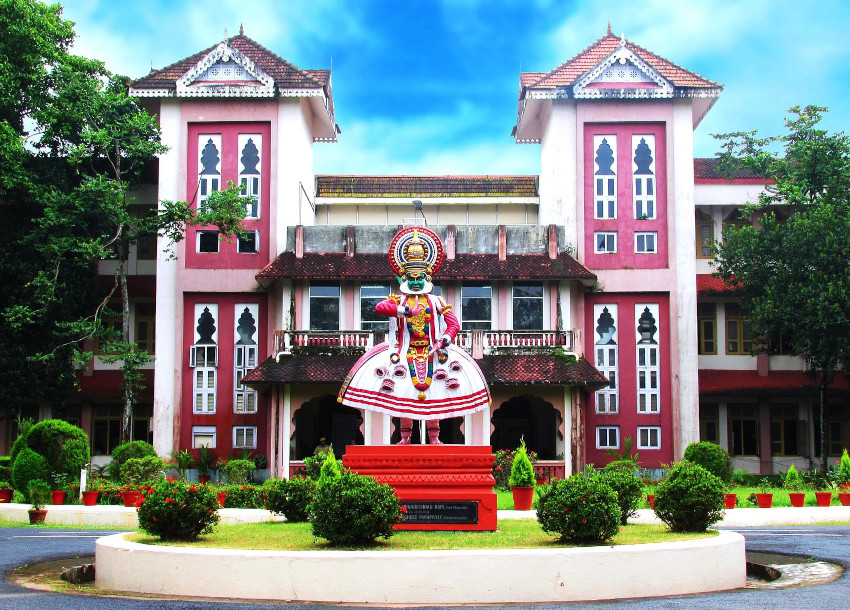
Ph.D. in Naval Architecture and Offshore Engineering at Cochin University of Science & Technology
Introduction about Ph.D. in Naval Architecture and Offshore Engineering at Cochin University of Science & Technology
Cochin University of Science & Technology (CUSAT) stands as a premier research hub in Kerala, offering a rigorous Ph.D. program in Naval Architecture and Offshore Engineering. This doctoral programme blends theoretical excellence with hands‑on industry exposure, empowering professionals to pioneer innovations in ship design, offshore structures, marine renewable energy, and sustainable maritime operations. The curriculum is meticulously crafted to develop advanced analytical skills, foster interdisciplinary collaboration, and promote cutting‑edge research that aligns with global maritime standards.
Eligibility Criteria for Ph.D. in Naval Architecture and Offshore Engineering at Cochin University of Science & Technology
Prospective candidates must satisfy the following academic and professional benchmarks:
- A Master's degree (M.Tech/M.Sc) in Naval Architecture, Offshore Engineering, Ocean Engineering, Marine Engineering, or a closely related discipline with a minimum aggregate of 55% (or 5.0 GPA on a 10‑point scale).
- Applicants with a Bachelor’s degree (B.E./B.Tech) in the relevant field are eligible if they possess a minimum of 60% and have published at least two peer‑reviewed papers in indexed journals.
- Foreign nationals must provide equivalent academic certifications validated by the CUSAT International Admissions Office.
- Age limit: No upper age restriction; however, candidates should demonstrate the capacity to complete the program within the stipulated research period.
Entrance Exam for Ph.D. in Naval Architecture and Offshore Engineering at Cochin University of Science & Technology
The selection process incorporates a two‑stage evaluation:
- Written Test: Conducted online, covering Advanced Fluid Mechanics, Structural Dynamics, Marine Hydrodynamics, Computational Methods, and Research Methodology. The test consists of 100 multiple‑choice questions with a total duration of 2 hours.
- Interview & Presentation: Shortlisted candidates present a research proposal, followed by a viva‑voce to assess subject mastery, analytical aptitude, and research potential.
For detailed syllabus and sample papers, visit the official entrance exam portal.
Fee Structure for Ph.D. in Naval Architecture and Offshore Engineering at Cochin University of Science & Technology
| Component | Annual Fee (INR) | Notes |
|---|---|---|
| Tuition & Laboratory Fees | 45,000 | Applicable for the first two years of registration. |
| Research & Project Grant (per annum) | 30,000 | Includes access to simulation labs, model testing facilities, and offshore test‑beds. |
| Library & Digital Resources | 5,000 | Unlimited access to IEEE, ASME, and Elsevier databases. |
| Administrative Charges | 2,500 | One‑time registration fee. |
| Total Approximate Cost (3‑year program) | 207,500 | Subject to revision based on university notifications. |
Admission Process for Ph.D. in Naval Architecture and Offshore Engineering at Cochin University of Science & Technology
The admission workflow comprises the following steps:
- Online Application: Submit the application through the CUSAT Ph.D. portal with scanned copies of academic transcripts, research proposal, and CV.
- Document Verification: Upload the required documents (see section “Documents Required”).
- Entrance Examination: Appear for the written test as per the schedule communicated via email.
- Interview & Presentation: Attend the interview with the department’s faculty panel.
- Final Selection & Offer Letter: Successful candidates receive an official offer letter with enrollment instructions.
- Enrollment & Fee Payment: Complete fee payment through the university’s secure payment gateway.
Ph.D. Subjects and Specializations in Naval Architecture and Offshore Engineering at Cochin University of Science & Technology
Students can tailor their research across the following specializations:
- Ship Structural Design and Optimization
- Hydrodynamic Performance of Offshore Platforms
- Marine Renewable Energy Systems (Wind, Wave, Tidal)
- Computational Fluid Dynamics (CFD) for Maritime Applications
- Advanced Materials for Corrosion‑Resistant Marine Structures
- Autonomous Underwater Vehicles (AUV) and Smart Ship Systems
Research Areas in Naval Architecture and Offshore Engineering at Cochin University of Science & Technology
Key research themes supported by CUSAT’s state‑of‑the‑art facilities include:
- Eco‑friendly Hull Forms & Green Ship Design.
- Offshore Wind Farm Foundations and Mooring Dynamics.
- High‑Speed Craft Aerodynamics and Wave Interaction.
- Marine Pollution Control and Waste Management.
- Hybrid Propulsion Systems and Energy Storage for Vessels.
- Risk Assessment and Reliability Modelling of Offshore Structures.
Documents Required for Ph.D. in Naval Architecture and Offshore Engineering at Cochin University of Science & Technology
| Document | Details |
|---|---|
| Academic Transcripts | Original marksheets of all post‑graduate degrees (attested). |
| Degree Certificates | Copy of Master’s/ Bachelor’s degree certificates. |
| Research Proposal | 2‑3 page proposal outlining objectives, methodology, and expected outcomes. |
| Curriculum Vitae (CV) | Professional CV highlighting publications, patents, and project experience. |
| Work Experience Certificate (if any) | Letter from employer confirming relevant industry exposure. |
| Identity Proof | Aadhaar card / Passport (for Indian and foreign candidates respectively). |
| Letter of Recommendation (2) | From academicians or senior industry professionals. |
Cochin University of Science & Technology Ph.D. Syllabus for Naval Architecture and Offshore Engineering
The syllabus is structured into core modules, electives, and research milestones:
- Core Modules (Year 1): Advanced Ship Design, Offshore Structural Mechanics, Marine Hydrodynamics, Research Methodology, Statistical Data Analysis.
- Electives (Year 1‑2): CFD for Marine Applications, Marine Renewable Energy, Smart Materials, Autonomous Marine Systems, Maritime Safety & Regulations.
- Research Milestones: Literature Review, Proposed Methodology, Simulation & Experimental Validation, Thesis Writing, Publication in International Journals.
How To Apply for Ph.D. in Naval Architecture and Offshore Engineering at Cochin University of Science & Technology
Follow the step‑by‑step guide below:
- Visit the official Ph.D. application portal and create a new user account.
- Fill in personal details, academic background, and upload required documents.
- Craft a concise research proposal (maximum 1,500 words) and attach it in PDF format.
- Pay the non‑refundable application fee of INR 2,500 via the online gateway.
- Submit the application and note the generated application ID for future reference.
- Monitor email for invitation to the written examination and interview schedule.
Career Scope and Job Opportunities After Ph.D. in Naval Architecture and Offshore Engineering from Cochin University of Science & Technology
Graduates can pursue high‑impact careers in:
- Design & R&D departments of leading shipbuilding corporations (e.g., Larsen & Toubro, Hindustan Shipyard).
- Offshore renewable energy firms focusing on wind, wave, and tidal projects.
- Maritime consultancy agencies offering risk assessment, stability analysis, and certification services.
- Academic positions (Assistant Professor, Research Fellow) at premier institutes and universities.
- Government research organisations such as DRDO, ISRO (for marine launch vehicles), and the Ministry of Shipping.
- Entrepreneurial ventures developing smart marine technologies, autonomous vessels, or marine IoT solutions.
Scholarship for Ph.D. in Naval Architecture and Offshore Engineering at Cochin University of Science & Technology
Various financial assistance schemes are available:
- UGC‑JRF and SRF: National level fellowships covering stipend, contingency, and tuition fees.
- CUSAT Merit‑Based Scholarships: For top‑ranked candidates with a minimum 70% in qualifying examinations.
- Industry Sponsored Grants: Partnerships with maritime firms offering project‑based funding.
- External Funding: Funding through the Ministry of Science & Technology and international bodies such as the EU Horizon Programme.
Students seeking assistance with scholarship applications can also explore PhD Admission Assistance for personalized guidance.
FAQs Regarding Ph.D. in Naval Architecture and Offshore Engineering at Cochin University of Science & Technology
- What is the typical duration of the Ph.D. programme?
- The programme is designed for a minimum of three years and a maximum of five years, depending on research progress.
- Can working professionals enroll part‑time?
- Yes, CUSAT offers a part‑time mode for candidates who have at least five years of relevant industry experience.
- Is there a requirement for publishing papers before admission








