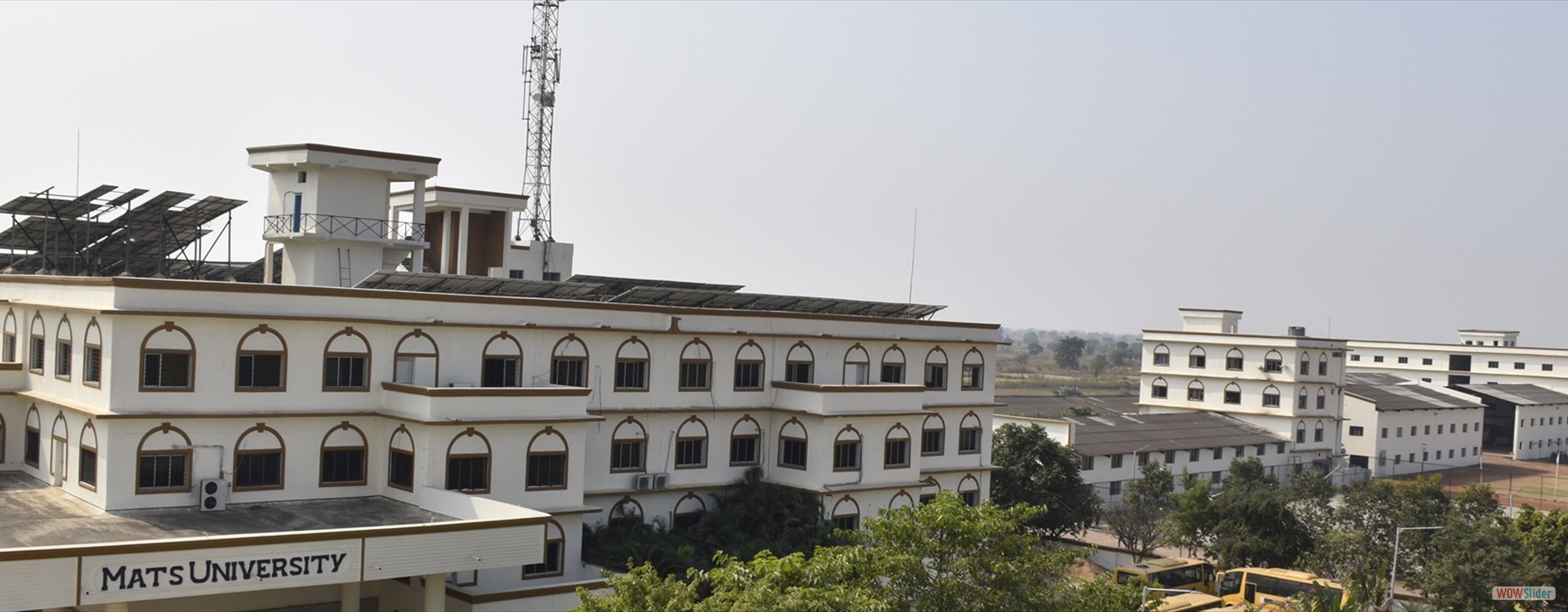
Ph.D. in Neuro Science from MATS University: Eligibility, Entrance Exam, Fee Structure, Admission Process, Subjects, Research Areas, Syllabus, Scholarship & Career Scope
Introduction about Ph.D. in Neuro Science at MATS University
Embarking on a journey toward a Ph.D. in Neuro Science at MATS University is a visionary step for any dedicated scholar. Neuroscience stands at the frontier of human discovery, bridging the gap between biology, psychology, and complex computational modeling. MATS University provides a robust academic environment designed to foster intellectual growth and innovation. Whether you are aiming to decode the mysteries of the brain or develop breakthrough therapeutic interventions, this program offers the mentorship and infrastructure to elevate your expertise. If you are navigating the complexities of this path, our PhD Admission Assistance is here to ensure your application stands out.
Eligibility Criteria for Ph.D. in Neuro Science at MATS University
Candidates aspiring to pursue a doctorate in Neuroscience must possess a Master?s degree in Neuroscience, Life Sciences, Psychology, or a related discipline from a recognized university. A minimum aggregate of 55% marks (or an equivalent CGPA) is generally required. Relaxation is provided for SC/ST/OBC candidates as per UGC guidelines. Candidates with a valid score in national-level examinations like UGC-NET, CSIR-NET, or GATE are often preferred during the selection process.
Entrance Exam for Ph.D. in Neuro Science at MATS University
MATS University conducts a dedicated entrance examination to assess the research aptitude and core conceptual knowledge of applicants. The test typically comprises two sections: Research Methodology and the specific subject domain (Neuroscience). Candidates who have qualified for national-level fellowships such as JRF or SLET may be exempted from the written entrance exam, though they must still appear for the personal interview round.
Fee Structure for Ph.D. in Neuro Science at MATS University
MATS University maintains a transparent fee structure to support researchers throughout their tenure. Below is an indicative table for the Ph.D. program:
| Fee Component | Average Annual Amount (INR) |
|---|---|
| Application Fee | 2,000 |
| Tuition Fee | 60,000 - 85,000 |
| Research/Laboratory Fee | 25,000 |
| Thesis Submission Fee | 15,000 |
Admission Process for Ph.D. in Neuro Science at MATS University
The admission cycle involves a multi-stage evaluation. Once the applications are submitted and screened, shortlisted candidates take the entrance test. Following the test, the Departmental Research Committee (DRC) conducts a personal interview where students present their research vision. To ensure your research trajectory is clear, consider utilizing professional PhD Topic Selection and Proposal Assistance to refine your research intent early on.
Ph.D. Subjects and Specializations in Neuro Science at MATS University
The curriculum is designed to provide deep insights into the nervous system. Key subjects include:
- Neuroanatomy and Neurophysiology
- Molecular Neurobiology
- Computational Neuroscience
- Cognitive Neuroscience
- Neuropathology and Neuropharmacology
Research Areas in Neuro Science at MATS University
MATS University encourages interdisciplinary research. Current thrust areas include:
- Neurodegenerative disorder studies (Alzheimer?s, Parkinson?s)
- Developmental biology of the nervous system
- Neuro-immunology
- Behavioral neuroscience and stress response
Documents Required for Ph.D. in Neuro Science at MATS University
Applicants must organize their documents meticulously. Required files include:
- Post-graduate degree certificate and mark sheets
- Research proposal draft
- Experience certificate (if applicable)
- Proof of identity and passport-sized photographs
- Entrance exam scorecard
MATS University Ph.D. Syllabus for Neuro Science
The syllabus is divided into two parts: Coursework and Research. The coursework covers Research Methodology, Ethics in Research, Statistical Tools, and advanced specialized modules in Neuroscience. This stage is critical for ensuring your thesis meets international standards; once your draft is ready, our Editing and Proofreading Services can help refine your document for publication.
How To Apply for Ph.D. in Neuro Science at MATS University
Applications are processed online through the official university portal. Ensure all information is accurate, as discrepancies can lead to rejection. Pay the application fee, upload the supporting documents mentioned above, and keep a printed copy of the confirmation receipt for your records.
Career Scope and Job Opportunities After Ph.D. in Neuro Science from MATS University
Post-Ph.D., candidates can explore academia, pharmaceutical research, or clinical consultancy. Many graduates opt to secure their findings through Patent Filing and Support Services to protect their inventions. For those seeking professional recognition, exploring Honorary Doctorate Programs in related fields is also an option. Furthermore, disseminating knowledge via high-impact journals is made easier with specialized Research Publication Support.
Scholarship for Ph.D. in Neuro Science at MATS University
The university offers various merit-based and need-based scholarships. Additionally, full-time researchers are encouraged to apply for government-funded fellowships (such as DST-INSPIRE or Maulana Azad National Fellowship) to fund their laboratory expenses and living costs.
FAQs Regarding Ph.D. in Neuro Science at MATS University
- Is the Ph.D. program distance or regular?
- The Ph.D. in Neuroscience at MATS University is a regular, full-time research-based program.
- Can I work while pursuing the Ph.D.?
- While full-time scholars are expected to dedicate the majority of their time to research, part-time options may be available for working professionals, subject to university norms.








