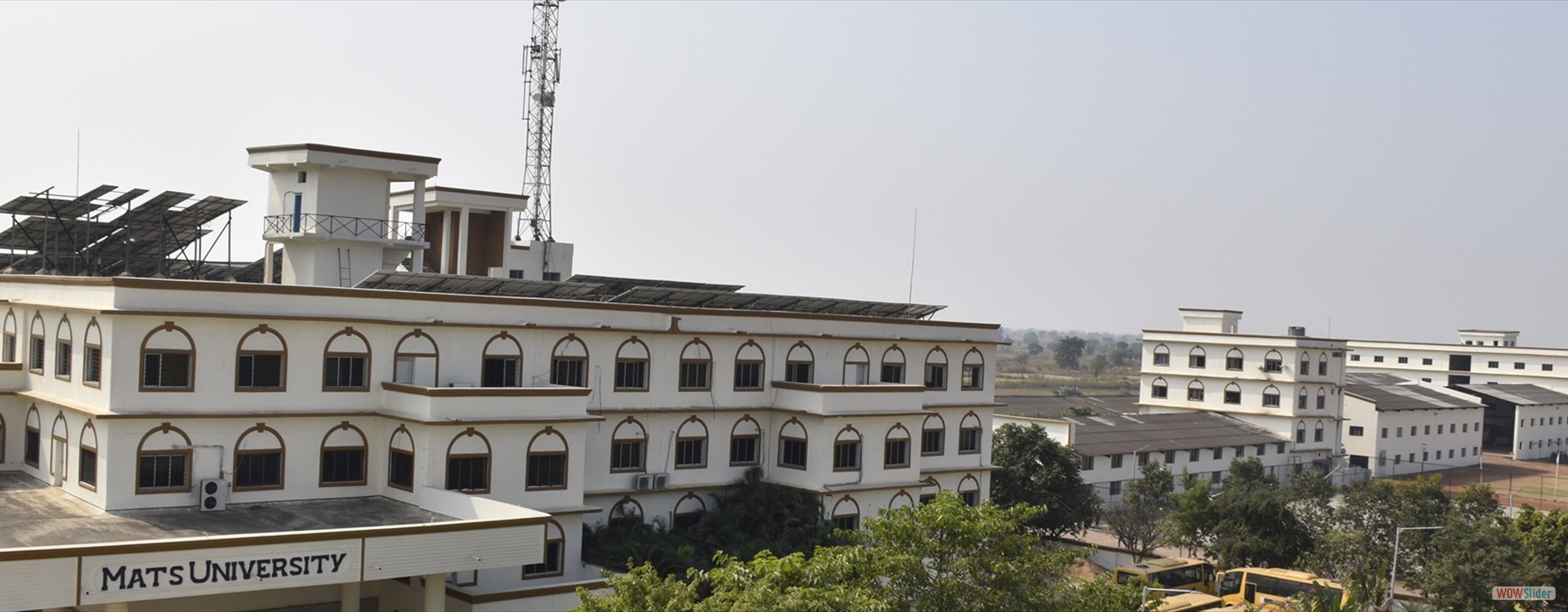
Introduction about Ph.D. in Optometry at MATS University
Embarking on a doctoral journey in optometry at MATS University opens doors to pioneering research, advanced clinical expertise, and leadership opportunities in visual health. The program is meticulously designed for professionals who aspire to shape the future of eye care through innovation, evidence‑based practice, and academic excellence.
Eligibility Criteria for Ph.D. in Optometry at MATS University
Prospective candidates must meet the following minimum requirements:
- Master’s degree in Optometry, Vision Science, or a closely related discipline with at least 55% aggregate marks (or equivalent CGPA).
- Valid GATE/NET score or qualifying score in the university‑conducted entrance examination.
- Proficiency in English (minimum IELTS 6.0 or TOEFL 80 for international applicants).
- Demonstrated research interest through publications, conference presentations, or relevant work experience.
Entrance Exam for Ph.D. in Optometry at MATS University
The entrance assessment evaluates both theoretical knowledge and research aptitude:
- Written Test: 100 multiple‑choice questions covering advanced optics, ocular physiology, clinical optometry, and research methodology.
- Interview: Panel interview to discuss research proposal, academic background, and career objectives.
- Candidates with a valid GATE or NET score may be exempted from the written test, proceeding directly to the interview stage.
Fee Structure for Ph.D. in Optometry at MATS University
| Fee Component | Amount (INR) |
|---|---|
| University Admission Fee | 15,000 |
| Annual Tuition & Lab Charges | 85,000 |
| Research Material & Publication Support | 20,000 |
| Miscellaneous (Library, Internet, Sports) | 10,000 |
| Total Approx. Cost (3‑Year Programme) | 330,000 |
Admission Process for Ph.D. in Optometry at MATS University
The streamlined admission workflow ensures transparency and efficiency:
- Online application submission through the university portal.
- Upload of academic transcripts, entrance exam scores, CV, and a detailed research proposal.
- Document verification by the admissions committee.
- Entrance examination (or score validation) followed by a personal interview.
- Final selection based on merit, research potential, and alignment with faculty expertise.
- Issuance of admission letter and guidance for fee payment.
Ph.D. Subjects and Specializations in Optometry at MATS University
Students can tailor their doctoral studies to match emerging trends and personal interests. Available specializations include:
- Advanced Contact Lens Science
- Pediatric and Low Vision Rehabilitation
- Neuro‑optometry and Vision Therapy
- Ocular Imaging and Diagnostics
- Public Health Optometry and Vision Epidemiology
- Optometric Pharmacology and Therapeutics
Research Areas in Optometry at MATS University
Faculty members are actively engaged in cutting‑edge research across a spectrum of domains. Core research clusters comprise:
- Myopia Control Strategies and Long‑Term Outcomes
- Artificial Intelligence in Automated Refraction and Diagnosis
- Biomechanics of the Ocular Surface and Tear Film Dynamics
- Vision Science in Aging Populations
- Tele‑optometry Solutions for Rural Healthcare Delivery
- Innovations in Low‑Cost Diagnostic Instruments
Documents Required for Ph.D. in Optometry at MATS University
| Document | Details |
|---|---|
| Academic Transcripts | Original mark sheets and degree certificates (Bachelor’s & Master’s) |
| Entrance Exam Scorecard | GATE/NET or university‑conducted test result |
| Research Proposal | 2‑page outline of intended research topic, objectives, and methodology |
| Curriculum Vitae | Professional experience, publications, conference presentations |
| English Proficiency Certificate | IELTS/TOEFL (if applicable) |
| Letter of Recommendation | Two academic or professional references |
MATS University Ph.D. Syllabus for Optometry
The comprehensive syllabus blends coursework, laboratory work, and dissertation research:
- Advanced Ocular Anatomy and Physiology
- Clinical Optometry and Diagnostic Techniques
- Research Methodology & Biostatistics
- Seminars on Emerging Topics in Vision Science
- Dissertation (Original Research Project)
How To Apply for Ph.D. in Optometry at MATS University
Follow these steps to submit a successful application:
- Visit the official MATS University website and navigate to the “Postgraduate Admissions” section.
- Create a user account and fill in personal and academic details.
- Upload the required documents (see the Documents Required table).
- Pay the non‑refundable application fee of INR 2,500 online.
- Submit the research proposal and await confirmation of the entrance exam schedule.
- Prepare for the written test and interview as per the guidelines provided in the admission portal.
Career Scope and Job Opportunities After Ph.D. in Optometry from MATS University
A doctoral degree in optometry empowers graduates to pursue high‑impact roles such as:
- Academic faculty positions (Assistant/Associate Professor) at universities and research institutes.
- Lead researcher in vision science labs of hospitals, NGOs, or private R&D centers.
- Clinical Director or Senior Optometrist in multi‑specialty eye hospitals.
- Policy advisor for governmental health agencies focusing on eye care programs.
- Entrepreneurial ventures developing innovative optometric devices or tele‑health platforms.
- Consultant for international organizations (WHO, IAPB) on vision health initiatives.
Scholarship for Ph.D. in Optometry at MATS University
MATS University offers merit‑based scholarships and research grants to deserving candidates:
- Academic Excellence Scholarship: 50% tuition waiver for top 10% of admitted students.
- Research Grant: Up to INR 100,000 per annum for projects aligned with university research priorities.
- National Fellowships: Assistance with applications for CSIR, UGC, and AICTE doctoral fellowships.
FAQs Regarding Ph.D. in Optometry at MATS University
- What is the minimum duration of the Ph.D. program?
- The standard period is three years for full‑time candidates, extendable up to six years for part‑time scholars.
- Can I pursue the program part‑time while working?
- Yes, MATS University offers a flexible part‑time mode with evening labs and weekend seminars.
- Are there opportunities for international collaboration?
- Absolutely. The university has MoUs with leading optometry schools in the US, UK, and Australia for joint research and exchange programs.
- Is a teaching assistantship available?
- Selected Ph.D. scholars may serve as teaching assistants, receiving a stipend and teaching experience.
- How does the university support dissertation publishing?
- Through the Research Paper Writing Services partnership, students receive guidance on manuscript preparation, journal selection, and submission processes.








