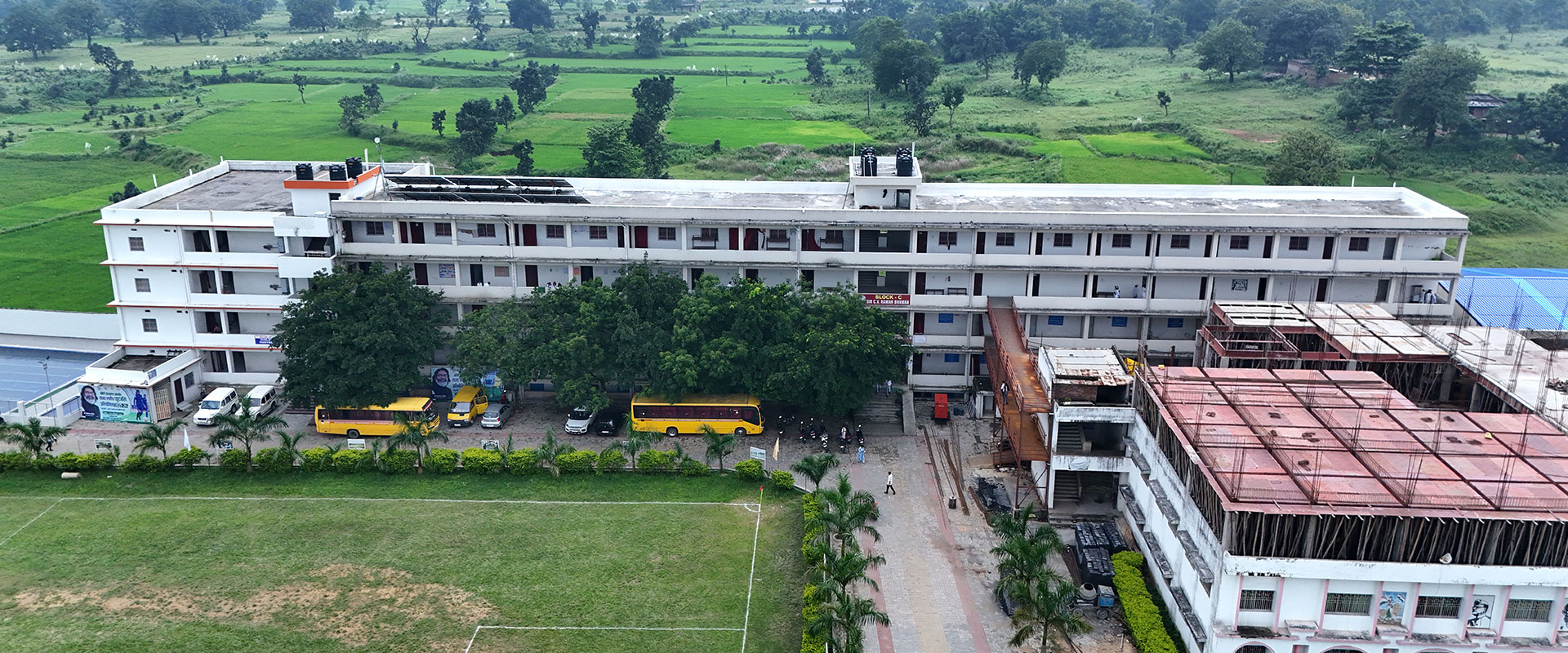
Introduction about Ph.D. in Optometry at Radha Govind University
Embarking on a Ph.D. in Optometry at Radha Govind University is a transformative journey for professionals who aspire to reach the pinnacle of clinical excellence and academic innovation. In an era where vision science is rapidly evolving, a doctorate provides the necessary platform to pioneer new treatments, enhance diagnostic precision, and contribute to global eye health. Radha Govind University, located in Ramgarh, Jharkhand, has established itself as a premier institution dedicated to fostering a research-centric environment. By integrating advanced technology with rigorous academic standards, the university empowers optometrists to transition from clinical practice to groundbreaking research roles. This program is not merely a degree; it is a commitment to advancing the science of sight and improving the quality of life for millions of individuals suffering from ocular disorders.
Ph.D Admission 2026-2027 & Writing Support Services by Shiksha Research
Eligibility Criteria for Ph.D. in Optometry at Radha Govind University
To ensure the highest standards of research and academic integrity, Radha Govind University maintains specific eligibility criteria for its doctoral candidates. Aspiring scholars must meet the following requirements:
- Master?s Degree: Candidates must possess a Master?s degree in Optometry (M.Optom) or an equivalent post-graduate degree in a relevant field (such as Vision Science or Ophthalmology) from a recognized university.
- Minimum Percentage: A minimum of 55% aggregate marks (or an equivalent grade point average) is required at the post-graduation level.
- Relaxation: A relaxation of 5% is typically granted to candidates belonging to SC/ST/OBC (non-creamy layer) and differently-abled categories, as per the university and UGC guidelines.
- Professional Experience: While not always mandatory, clinical or teaching experience in the field of optometry is highly valued and can strengthen the candidate's profile during the selection process.
Entrance Exam for Ph.D. in Optometry at Radha Govind University
The gateway to the Ph.D. program at Radha Govind University is a rigorous entrance examination designed to test the candidate?s analytical abilities and subject-matter expertise. The entrance process usually consists of two parts:
- RGU Ph.D. Entrance Test: This written exam evaluates Research Methodology and core Optometry concepts. Scholars are expected to demonstrate a deep understanding of vision science, ocular biology, and biostatistics.
- Exemptions: Candidates who have cleared national-level examinations such as UGC-NET, CSIR-NET, GATE, or have been awarded JRF (Junior Research Fellowship) are often exempted from the written entrance exam but must participate in the interview round.
- Personal Interview: Shortlisted candidates are invited for an interview where they discuss their research interests, professional background, and the feasibility of their proposed research topic with a panel of experts.
Fee Structure for Ph.D. in Optometry at Radha Govind University
Investing in a doctoral degree is an investment in your professional future. Radha Govind University offers a competitive fee structure that ensures high-quality education and research facilities remain accessible. Below is an approximate breakdown of the costs involved:
| Category of Fee | Estimated Amount (INR) | Frequency |
|---|---|---|
| Application & Registration Fee | ?2,500 - ?5,000 | One-time |
| Course Work Fee | ?15,000 - ?20,000 | One-time |
| Annual Tuition Fee | ?60,000 - ?80,000 | Per Annum |
| Thesis Submission & Evaluation Fee | ?20,000 - ?25,000 | One-time |
| Library & Laboratory Deposit (Refundable) | ?10,000 | One-time |
Note: The fees mentioned above are indicative and subject to change based on university policy. It is recommended to contact the administrative office for the latest fee schedule.
Admission Process for Ph.D. in Optometry at Radha Govind University
The admission process at Radha Govind University is streamlined to identify the most visionary minds in the field of eye care. The step-by-step process is as follows:
- Notification: The university releases an official admission notification on its website detailing the availability of seats.
- Application Submission: Eligible candidates submit their application forms along with a preliminary research proposal. During this phase, many students seek professional Thesis and Dissertation Writing Services to refine their research ideas into a coherent academic plan.
- Examination: Candidates appear for the RGU entrance exam or present their NET/GATE scores.
- Interview: Successful candidates present their research objectives to the Departmental Research Committee.
- Enrollment: Once selected, candidates complete the document verification and fee payment to secure their admission.
Ph.D. Subjects and Specializations in Optometry at Radha Govind University
Radha Govind University offers a diverse range of specializations within the Ph.D. program, allowing scholars to focus on their specific areas of interest. The core subjects often include:
- Advanced Clinical Optometry
- Vision Science and Neuro-Optometry
- Pediatric Optometry and Binocular Vision
- Contact Lens Research and Ocular Surface Studies
- Low Vision and Geriatric Optometry
- Public Health and Community Eye Care
- Ophthalmic Instrumentation and Imaging
Research Areas in Optometry at Radha Govind University
Research is the heartbeat of the Ph.D. program. Scholars at Radha Govind University are encouraged to explore innovative research niches that address contemporary challenges in eye care. Some prominent research areas include:
- Myopia Control: Investigating the progression of myopia in children and developing novel intervention strategies.
- Ocular Pharmacology: Researching the efficacy of new drug delivery systems for chronic eye conditions.
- Visual Ergonomics: Analyzing the impact of digital devices on visual health and optimizing workplace environments. During the data gathering phase of such studies, scholars often utilize professional Questionnaire Design and Development internal links to ensure their survey instruments are scientifically valid and reliable.
- Retinal Imaging: Using advanced AI and diagnostic tools to detect early markers of systemic diseases through the eye.
Documents Required for Ph.D. in Optometry at Radha Govind University
To complete the admission formalities, candidates must ensure they have the following documents ready:
- High School and Higher Secondary Marksheets/Certificates.
- Bachelor's and Master's Degrees in Optometry.
- Migration Certificate and Transfer Certificate.
- Character Certificate from the last attended institution.
- Caste Certificate (if applicable).
- Valid ID Proof (Aadhar Card/Passport).
- Six Recent Passport-size Photographs.
- No Objection Certificate (NOC) from the employer (if working).
- Detailed Research Proposal/Synopsis.
Radha Govind University Ph.D. Syllabus for Optometry
The Ph.D. syllabus is structured into two main phases: Course Work and Independent Research. The Course Work typically includes:
- Research Methodology: Techniques of scientific research, experimental design, and literature review.
- Biostatistics & Data Management: Scholars learn how to handle complex data sets. To maintain high academic standards, many researchers leverage Research Data Analysis Services to ensure their statistical findings are robust and accurate.
- Computer Applications: Efficient use of software for research and presentation.
- Ethics in Research: Understanding plagiarism, intellectual property rights, and clinical trial ethics.
- Subject-Specific Advanced Topics: In-depth study of the scholar's chosen specialization.
How To Apply for Ph.D. in Optometry at Radha Govind University
The application journey is designed to be user-friendly. Follow these steps to apply:
- Visit the Website: Go to the official Radha Govind University website and navigate to the Admissions section.
- Register Online: Create a profile by providing your email and contact details.
- Fill the Form: Enter your academic details and upload the required digital copies of your documents.
- Application Fee: Pay the application fee through the online payment gateway (Credit/Debit Card/Net Banking).
- Submit Proposal: Upload your research abstract as part of the application process.
- Confirmation: Download the confirmation page for future reference.
Career Scope and Job Opportunities After Ph.D. in Optometry from Radha Govind University
Earning a Ph.D. from Radha Govind University opens doors to prestigious leadership roles globally. The career scope for doctoral graduates in optometry is immense:
- Academic Leadership: Professors, Deans, or Heads of Departments in leading optometry colleges and medical universities.
- Research Scientists: Leading clinical trials and R&D departments in pharmaceutical or optical manufacturing giants.
- Public Health Consultant: Working with international organizations like the WHO or NGOs to design large-scale vision care programs.
- Clinical Specialists: Operating high-end specialized clinics focusing on neuro-rehabilitation or pediatric care.
- Freelance Research Consultant: Providing expertise to others through Research Paper Writing Services to help peers publish in high-impact journals.
Scholarship for Ph.D. in Optometry at Radha Govind University
Radha Govind University is committed to ensuring that financial constraints do not hinder brilliant minds. Various scholarship opportunities are available:
- University Fellowships: Awarded to top-performing entrance exam candidates based on merit.
- Government Scholarships: Support through state-level and central government schemes for minority and reserved category students.
- Project-Based Fellowships: Scholarships funded by external research grants from organizations like the ICMR or DST, where scholars can work on specific research projects while pursuing their Ph.D.
- UGC-JRF: Candidates who have qualified for the Junior Research Fellowship receive monthly stipends as per UGC norms.
FAQs Regarding Ph.D. in Optometry at Radha Govind University
Q1: What is the duration of the Ph.D. program in Optometry?
A: The minimum duration is 3 years, including course work, and the maximum duration is typically 6 years.
Q2: Can I pursue a Ph.D. in Optometry part-time?
A: Yes, Radha Govind University offers a part-time Ph.D. option for working professionals, provided they can fulfill the residency requirements and attend coursework sessions.
Q3: Is the Ph.D. degree from RGU recognized globally?
A: Yes, Radha Govind University is a recognized university, and its Ph.D. degrees are valid for academic and professional roles worldwide, following UGC guidelines.
Q4: Do I need a clinical background to apply?
A: While a strong academic background in Optometry is mandatory, clinical experience is preferred as it provides a practical perspective to the research.
Q5: How do I choose a research supervisor?
A: The university provides a list of approved research guides. Candidates can interact with them and choose a supervisor whose expertise aligns with their research interests.








