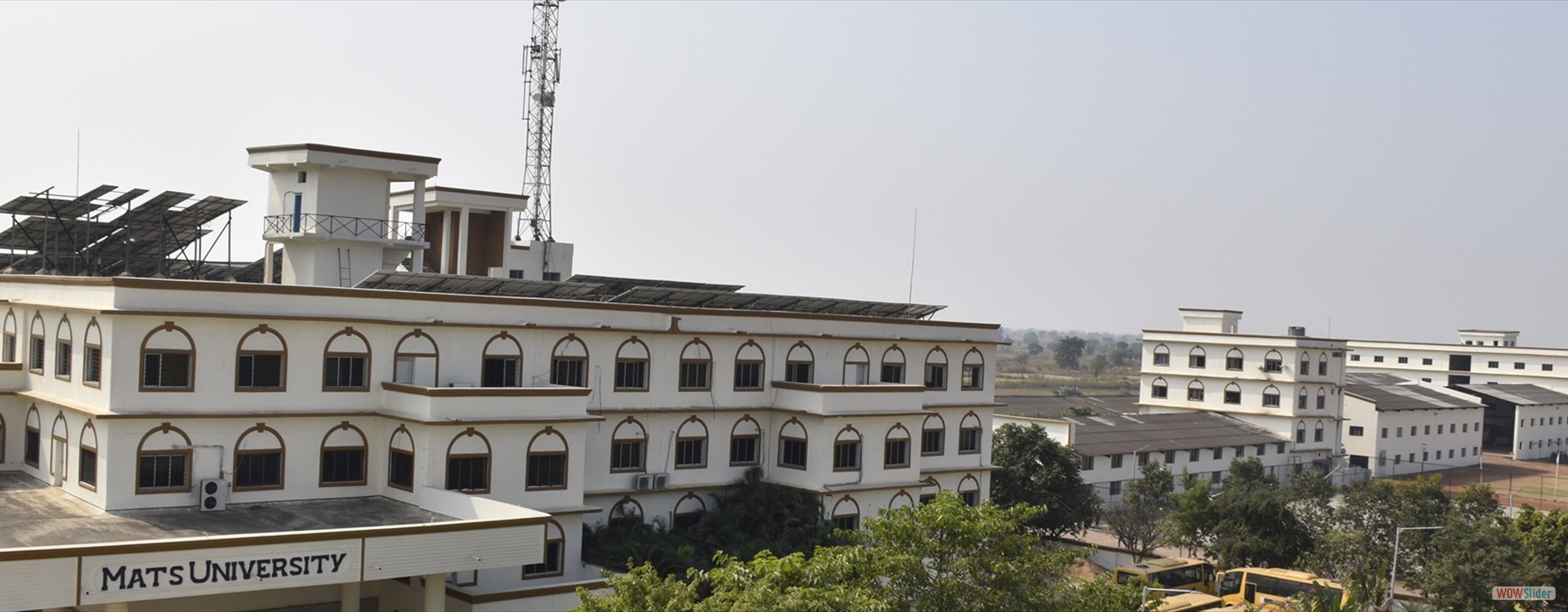
Ph.D. in Pathology from MATS University: Eligibility, Entrance Exam, Fee Structure, Admission Process, Subjects, Research Areas, Syllabus, Scholarship & Career Scope
Embarking on a doctoral journey in pathology at MATS University equips seasoned professionals with advanced diagnostic expertise, cutting‑edge research acumen, and leadership skills required to shape the future of clinical and molecular pathology. The program blends rigorous coursework, intensive laboratory training, and original research, fostering scholars who can translate scientific discoveries into impactful healthcare solutions.
Ph.D Admission 2026-2027 & Writing Support Services by Shiksha Research
Eligibility Criteria for Ph.D. in Pathology at MATS University
Prospective candidates must satisfy the following minimum requirements:
- Master’s degree (M.Sc., M.Phil., or equivalent) in Pathology, Biomedical Science, Molecular Biology, or a closely related discipline.
- Minimum aggregate of 55% (or 5.5 CGPA on a 10‑point scale) in the qualifying postgraduate program.
- Strong foundation in histopathology, cytology, immunohistochemistry, and molecular diagnostics.
- English language proficiency (IELTS ≥ 6.0 or TOEFL ≥ 80) for international applicants.
Entrance Exam for Ph.D. in Pathology at MATS University
The entrance assessment comprises two components:
- Written Test: 100 multiple‑choice questions covering advanced pathology, research methodology, biostatistics, and ethics.
- Viva‑Voce Interview: Evaluation of research proposals, analytical thinking, and subject‑specific knowledge.
Applicants scoring above the cutoff in the written test are shortlisted for the interview.
Fee Structure for Ph.D. in Pathology at MATS University
| Fee Component | Amount (INR) |
|---|---|
| Application & Registration | ₹ 5,000 |
| Annual Tuition Fee | ₹ 80,000 |
| Laboratory & Consumables | ₹ 30,000 |
| Research Project Grant (Optional) | ₹ 50,000 |
| Total Approx. Cost (3‑Year Program) | ₹ 3,90,000 |
Admission Process for Ph.D. in Pathology at MATS University
- Online submission of the application form with scanned documents.
- Payment of the non‑refundable application fee.
- Eligibility verification by the Department of Pathology.
- Invitation to appear for the written entrance exam.
- Shortlisting of candidates for the viva‑voce interview.
- Final admission offer and enrollment after acceptance of terms.
Ph.D. Subjects and Specializations in Pathology at MATS University
MATS University offers a broad spectrum of research specializations, including:
- Diagnostic Histopathology
- Molecular Pathology & Genomics
- Forensic Pathology
- Immunopathology
- Digital Pathology & AI‑Driven Image Analysis
- Translational Oncology Pathology
Research Areas in Pathology at MATS University
Faculty members guide doctoral scholars across cutting‑edge domains such as:
- Biomarker discovery for precision medicine.
- Next‑generation sequencing applications in tumor profiling.
- Artificial intelligence integration for automated slide interpretation.
- Pathogen‑host interaction studies in infectious diseases.
- Environmental toxicology and its histopathological impacts.
Documents Required for Ph.D. in Pathology at MATS University
| Document | Details |
|---|---|
| Academic Transcripts | Certified copies of all graduate certificates. |
| Research Proposal | 1500‑word summary outlining objectives, methodology, and expected outcomes. |
| Curriculum Vitae | Professional experience, publications, and conference presentations. |
| Recommendation Letters | Two academic references from qualified supervisors. |
| English Proficiency Proof | IELTS or TOEFL score report (if applicable). |
MATS University Ph.D. Syllabus for Pathology
The doctoral syllabus is structured into three phases:
- Phase I – Core Coursework (Year 1): Advanced Cellular Pathology, Molecular Diagnostics, Research Methodology, Biostatistics, Ethics in Biomedical Research.
- Phase II – Laboratory Rotation (Year 2): Hands‑on training in histology, immunohistochemistry, digital slide scanning, and bio‑informatics pipelines.
- Phase III – Dissertation (Year 3): Independent research project, manuscript preparation, and defense before a multidisciplinary panel.
How To Apply for Ph.D. in Pathology at MATS University
Follow these steps to submit a successful application:
- Visit the official MATS University admissions portal.
- Create a user account and fill in personal and academic details.
- Upload scanned copies of required documents (see Documents Required section).
- Pay the application fee using the secure online gateway.
- Submit the completed application and note the reference number for future correspondence.
Career Scope and Job Opportunities After Ph.D. in Pathology from MATS University
Graduates emerge as highly qualified professionals ready for diverse roles, such as:
- Senior Clinical Pathologist in tertiary hospitals.
- Research Scientist in biotech and pharmaceutical companies.
- Academic Faculty (Assistant/Associate Professor) in medical colleges.
- Consultant for forensic laboratories and legal investigations.
- Data Scientist specializing in pathology image analytics.
- Regulatory affairs expert for diagnostic device approval.
According to recent industry surveys, the demand for pathology specialists with a doctoral degree is projected to grow by 12% over the next five years, reflecting an expanding market for precision diagnostics and AI‑enhanced pathology services.
Scholarship for Ph.D. in Pathology at MATS University
MATS University offers merit‑based scholarships and research grants covering up to 50% of tuition fees. Additional funding sources include:
- Government‑sponsored fellowships (UGC, CSIR).
- Corporate-sponsored research chairs in oncology and genomics.
- International exchange scholarships for collaborative projects.
FAQs Regarding Ph.D. in Pathology at MATS University
- What is the minimum duration of the Ph.D. program?
- The standard duration is three years, with a possible extension of up to one year for research completion.
- Can working professionals enroll part‑time?
- Yes, MATS University provides a flexible part‑time track that extends the program to five years while allowing continued employment.
- Is there a provision for publishing my thesis in indexed journals?
- Students receive mandatory guidance from faculty to publish at least two research articles in peer‑reviewed journals before thesis submission.
- Are there facilities for collaborative research with other institutions?
- MATS maintains MOUs with leading hospitals, research institutes, and biotech firms, enabling joint projects and student exchanges.
- How does the university support dissertation writing?
- Dedicated editorial workshops, plagiarism‑checking tools, and access to professional Thesis and Dissertation Writing Services are provided to ensure high‑quality submissions.
For additional research support, students can also avail of specialized Research Data Analysis Services, Research Paper Writing Services and Questionnaire Design and Development as needed throughout their doctoral journey.








