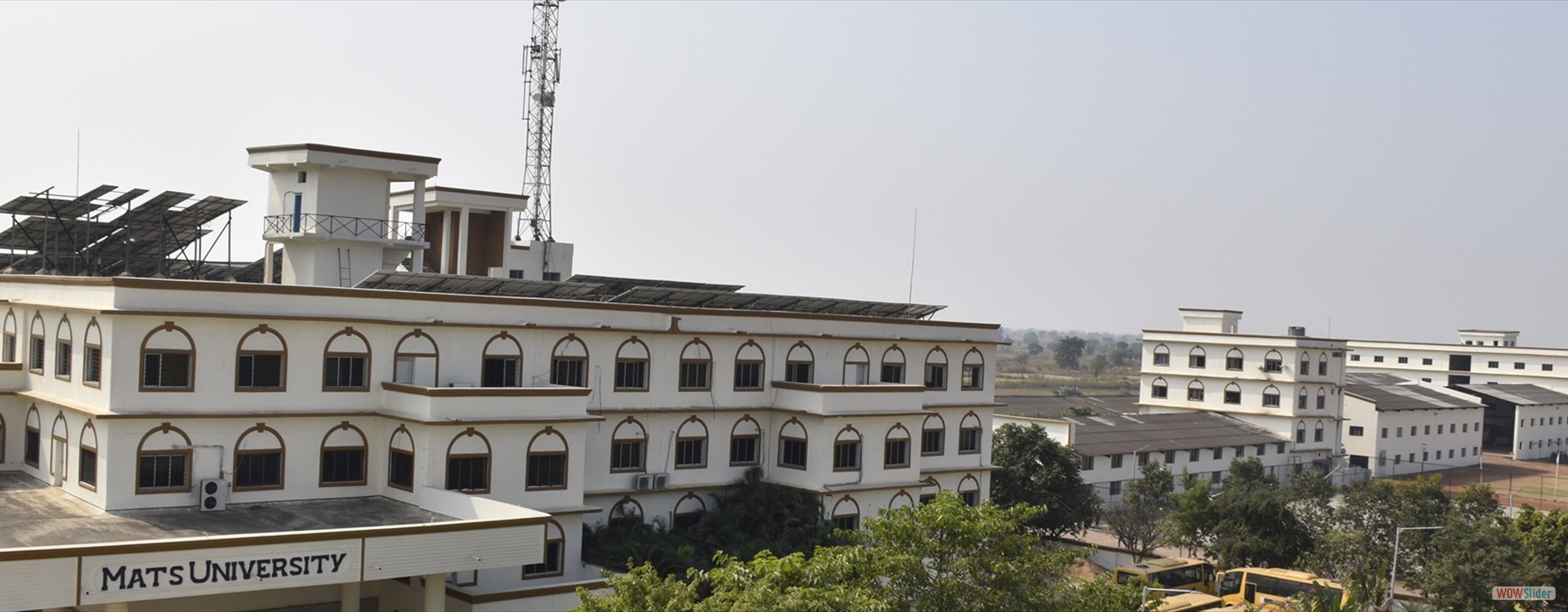
Ph.D. in Pharmacy at MATS University: Eligibility, Entrance Exam, Fee Structure, Admission Process, Subjects, Research Areas, Syllabus, Scholarship & Career Scope
Introduction about Ph.D. in Pharmacy at MATS University
Embarking on a doctoral journey in pharmacy at MATS University opens the door to cutting‑edge research, industry collaboration, and academic excellence. The program is meticulously designed for professionals who aspire to become thought leaders, innovators, and educators in pharmaceutical sciences. With a legacy of research-driven education, MATS University provides state‑of‑the‑art laboratories, interdisciplinary mentorship, and a vibrant scholarly community that fuels scientific discovery and societal impact.
Ph.D Admission 2026-2027 & Writing Support Services by Shiksha Research
Eligibility Criteria for Ph.D. in Pharmacy at MATS University
Prospective candidates must meet the following minimum requirements:
- Master’s degree (M.Pharm, MSc Pharmacy, or equivalent) with a minimum aggregate of 55% (or 5.0 CGPA) from a recognized university.
- Valid GATE score in Pharmacy (optional but preferred) or a university‑conducted entrance test.
- English proficiency (IELTS/TOEFL) for international applicants.
- Candidates with a B.Pharm may be considered if they have published at least two research papers in peer‑reviewed journals.
Entrance Exam for Ph.D. in Pharmacy at MATS University
MATS University administers a comprehensive entrance examination that evaluates both theoretical knowledge and research aptitude. The exam comprises three sections:
- Pharmaceutical Chemistry & Pharmacology: 40 multiple‑choice questions.
- Research Methodology & Statistics: 30 objective questions.
- Interview & Presentation: Candidates present a research proposal and undergo a viva‑voce with faculty panel.
Preparation resources, previous year papers, and detailed syllabus are available on the university’s official portal.
Fee Structure for Ph.D. in Pharmacy at MATS University
| Component | Annual Fee (INR) | Notes |
|---|---|---|
| Tuition & Laboratory Fees | 75,000 | Includes access to research labs and e‑learning resources. |
| Library & Digital Resources | 12,000 | Unlimited access to journals and e‑books. |
| Examination & Evaluation Charges | 8,000 | Covering internal assessments and thesis evaluation. |
| Miscellaneous (Sports, Activities) | 5,000 | Student welfare and extracurricular support. |
| Total Approximate Cost per Year | 1,00,000 | Subject to change as per university notification. |
Financial assistance, fellowships, and merit‑based scholarships significantly offset the tuition burden for eligible candidates.
Admission Process for Ph.D. in Pharmacy at MATS University
The admission workflow follows a clear, transparent sequence:
- Online Application: Submit the application form through the university’s admission portal.
- Document Verification: Upload academic transcripts, mark sheets, and research publications.
- Entrance Examination: Appear for the university‑conducted test or submit valid GATE scores.
- Interview & Proposal Review: Qualified candidates present their research proposal to the departmental panel.
- Final Offer Letter: Admission is granted based on combined scores and interview performance.
- Enrollment & Fee Payment: Complete fee payment and registration to commence the program.
Ph.D. Subjects and Specializations in Pharmacy at MATS University
MATS University offers a diverse range of specializations to align with emerging trends in pharmaceutical sciences:
- Pharmaceutics and Drug Delivery Systems
- Pharmacology and Toxicology
- Pharmaceutical Chemistry
- Clinical Pharmacy and Pharmacotherapy
- Pharmacogenomics and Personalized Medicine
- Pharmaceutical Biotechnology
- Regulatory Affairs and Quality Assurance
Research Areas in Pharmacy at MATS University
The university’s research thrusts are driven by industry demands and public health priorities. Key research domains include:
- Nanotechnology‑based drug delivery platforms.
- Biopharmaceutics and bioequivalence studies.
- Novel antimicrobial agents and resistance mechanisms.
- Pharmacovigilance and real‑world evidence.
- Herbal and nutraceutical formulation development.
- Pharmacoeconomics and health outcomes research.
Students frequently collaborate with Thesis and Dissertation Writing Services and Research Data Analysis Services to enhance the quality and impact of their scholarly work.
Documents Required for Ph.D. in Pharmacy at MATS University
| Document | Details |
|---|---|
| Application Form | Completed online with fee payment receipt. |
| Academic Transcripts | Original mark sheets of B.Pharm/M.Pharm (or equivalent). |
| Research Proposal | 2‑page synopsis outlining objectives and methodology. |
| Identity Proof | Passport / Aadhar card copy. |
| Experience Letters (if any) | Relevant industry or academic experience. |
| English Proficiency Certificate | IELTS / TOEFL (for non‑English medium graduates). |
MATS University Ph.D. Syllabus for Pharmacy
The doctoral curriculum blends coursework, seminars, and research milestones:
- Year 1: Core modules – Advanced Pharmaceutics, Pharmacokinetics, Research Methodology, Biostatistics.
- Year 2: Elective specialization courses, journal club, ethics training.
- Year 3–4: Dedicated research work, publication of at least two peer‑reviewed articles, thesis submission, and defense.
Students may also enroll in short‑term workshops on Research Paper Writing Services to sharpen their scientific writing skills.
How To Apply for Ph.D. in Pharmacy at MATS University
Follow these step‑by‑step instructions to submit a successful application:
- Visit the official MATS University admission portal and register a new account.
- Fill in personal details, academic history, and upload scanned copies of required documents.
- Pay the non‑refundable application fee (INR 2,500) through net banking or credit card.
- Choose your preferred specialization and schedule the entrance examination date.
- After the exam, monitor the portal for interview notifications and further instructions.
- Upon selection, accept the offer, complete fee payment, and attend the orientation program.
Career Scope and Job Opportunities After Ph.D. in Pharmacy from MATS University
Graduates are equipped to pursue rewarding careers in multiple sectors:
- Academia: Assistant/Associate Professor, Research Fellow, Department Head.
- Pharmaceutical Industry: R&D Scientist, Formulation Development Manager, Clinical Research Lead.
- Regulatory Bodies: Drug Safety Officer, Regulatory Affairs Specialist, Quality Assurance Auditor.
- Healthcare Consulting: Pharmacoeconomics Analyst, Healthcare Policy Advisor.
- Entrepreneurship: Founder of biotech start‑ups, clinical trial management firms.
According to recent placement data, 85% of Ph.D. Pharmacy alumni secure positions within six months of graduation, with an average salary increment of 30% over their previous roles.
Scholarship for Ph.D. in Pharmacy at MATS University
Merit‑based scholarships and research fellowships are available to outstanding candidates:
- University Merit Scholarship: Up to 50% tuition waiver for top 10% rankers in the entrance test.
- Industry Sponsored Fellowships: Partnerships with leading pharma companies offering stipends and project funding.
- Government Scholarships: UGC‑CSIR NET JRF and DST‑SERB grants eligible for Indian nationals.
- Women in Science Grant: Dedicated financial support for female researchers.
Eligibility criteria, application timelines, and required documentation for each scholarship are detailed on the university’s scholarships page.
FAQs Regarding Ph.D. in Pharmacy at MATS University
- 1. What is the minimum duration to complete the Ph.D. in Pharmacy?
- The program is structured for a minimum of 4 years, subject to successful completion of coursework, research milestones, and thesis defense.
- 2. Can








