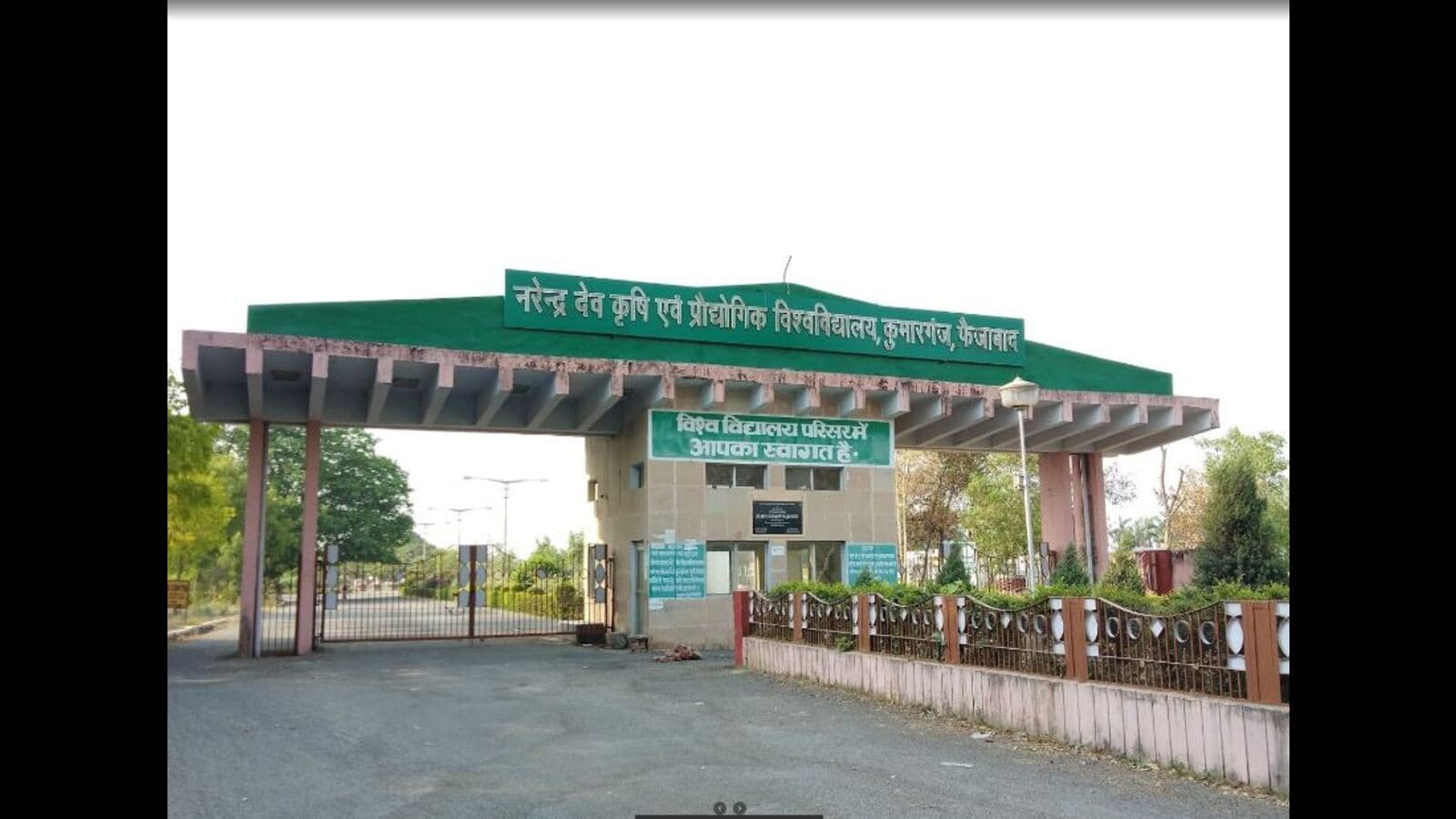
Introduction about Ph.D. in Plant Pathology at Narendra Deo University
Embarking on a doctoral journey in Plant Pathology at Narendra Deo University opens doors to cutting‑edge research, innovative disease‑management solutions, and leadership roles in academia, industry, and government. The program blends rigorous coursework with hands‑on laboratory work, field investigations, and interdisciplinary collaborations, empowering professionals to become pioneers in safeguarding global food security.
Eligibility Criteria for Ph.D. in Plant Pathology at Narendra Deo University
- Master’s degree (M.Sc., M.Phil., or equivalent) in Plant Pathology, Botany, Agricultural Science, Microbiology, or a related discipline with a minimum of 55% aggregate (50% for SC/ST/OBC).
- Valid GATE/NET score in a relevant subject is preferred but not mandatory.
- Proficiency in English (minimum TOEFL iBT 70 or IELTS 6.0 for international candidates).
- Research proposal aligned with the university’s focus areas (see “Research Areas” section).
Entrance Exam for Ph.D. in Plant Pathology at Narendra Deo University
The university conducts a two‑stage selection process:
- Written Test – 100 multiple‑choice questions covering advanced plant pathology, molecular biology, statistics, and research methodology.
- Interview & Presentation – Candidates present their research proposal and answer a panel of experts to assess analytical thinking and subject mastery.
Preparation resources, sample papers, and past year question sets are available on the university’s official portal.
Fee Structure for Ph.D. in Plant Pathology at Narendra Deo University
| Component | Annual Fee (INR) | Notes |
|---|---|---|
| Tuition & Lab Charges | 45,000 | Includes access to research labs and library. |
| Examination & Evaluation | 8,000 | Mid‑term and end‑term assessments. |
| Semester Registration | 5,000 | Per semester; covers administrative costs. |
| Miscellaneous (Internet, Printing, etc.) | 2,000 | Estimated annual expense. |
| Total Approximate Cost | 60,000 | Subject to annual revision. |
Students may be eligible for merit‑based scholarships, research grants, or stipends that significantly offset these fees.
Admission Process for Ph.D. in Plant Pathology at Narendra Deo University
- Online application through the university’s admission portal.
- Upload scanned copies of academic transcripts, degree certificates, and a detailed research proposal.
- Pay the non‑refundable application fee (₹1,500).
- Appear for the written entrance test (date announced on the website).
- Qualify for the interview and presentation round.
- Receive the admission offer letter and complete enrollment formalities.
For personalized assistance, consider our PhD Admission Assistance service.
Ph.D. Subjects and Specializations in Plant Pathology at Narendra Deo University
While the core focus is Plant Pathology, candidates may specialize in:
- Molecular Diagnostics of Plant Diseases
- Integrated Pest Management (IPM)
- Plant‑Microbe Interactions
- Virus & Viroid Pathogenesis
- Bioinformatics for Disease Resistance
Research Areas in Plant Pathology at Narendra Deo University
The university encourages research that addresses both local and global challenges. Key areas include:
- Emerging fungal pathogens and climate change impact.
- Genetic engineering for disease‑resistant crops.
- Biocontrol agents and sustainable agriculture.
- Post‑harvest disease management.
- Phytopathogen genomics and transcriptomics.
Documents Required for Ph.D. in Plant Pathology at Narendra Deo University
| Document | Format | Remarks |
|---|---|---|
| Academic Transcripts & Degree Certificates | PDF (max 2 MB) | All pages, signed by issuing authority. |
| Research Proposal (5‑10 pages) | Include objectives, methodology, and expected outcomes. | |
| Curriculum Vitae (CV) | Highlight research experience and publications. | |
| Proof of English Proficiency | TOEFL, IELTS, or equivalent. | |
| Entrance Exam Scorecard (if applicable) | GATE/NET or university‑conducted test. |
Need help polishing your proposal? Our PhD Topic Selection and Proposal Assistance can guide you.
Narendra Deo University Ph.D. Syllabus for Plant Pathology
The syllabus is divided into three semesters of coursework followed by a comprehensive research phase:
- Semester 1: Advanced Plant Pathology, Molecular Biology Techniques, Statistical Methods for Biological Research.
- Semester 2: Phytopathogen Genomics, Disease Epidemiology, Bioinformatics Applications.
- Semester 3: Research Ethics, Grant Writing, Seminar Series, and Publication Strategies.
Throughout the program, candidates attend workshops on scientific writing and data visualization.
How To Apply for Ph.D. in Plant Pathology at Narendra Deo University
Follow these steps to submit a successful application:
- Register on the university’s Ph.D. Admissions Portal.
- Complete the personal and academic details section.
- Upload the required documents (refer to the “Documents Required” table).
- Pay the application fee using net banking or credit card.
- Submit the application and note the reference number for future correspondence.
- Prepare for the entrance test using past papers and recommended reading lists.
Our Editing and Proofreading Services ensure your application materials are flawless.
Career Scope and Job Opportunities After Ph.D. in Plant Pathology from Narendra Deo University
Graduates enjoy a diverse array of career paths:
- Senior Research Scientist – Agricultural biotech firms.
- Faculty Member – Universities and research institutes.
- Plant Pathology Consultant – Government agencies, NGOs, and private farms.
- Policy Analyst – Ministry of Agriculture, food‑security think tanks.
- Entrepreneur – Start‑ups focusing on biocontrol products or diagnostic kits.
According to recent placement data, 85% of Ph.D. alumni secure positions within six months of graduation, with an average salary increase of 30% over their pre‑Ph.D. earnings.
Scholarship for Ph.D. in Plant Pathology at Narendra Deo University
The university offers several financial aid options:
- Merit‑Based Scholarships – Awarded to candidates with a CGPA ≥ 8.0/10.00.
- Research Stipends – Monthly stipend of ₹15,000 for scholars involved in funded projects.
- External Fellowships – Eligibility for CSIR‑NET, DST‑INSPIRE, and international scholarships.
Applicants can also explore our Research Publication Support to boost their academic profile for scholarship eligibility.
FAQs Regarding Ph.D. in Plant Pathology at Narendra Deo University
- What is the minimum duration of the Ph.D. program?
- Typically 3 years for full‑time researchers, with a possible extension up to 5 years based on research progress.
- Can I pursue the Ph.D. part‑time while working?
- Yes, the university provides a part‑time option with a flexible schedule, though the total duration may extend to 6‑7 years.
- Is there a provision for international students?
- International candidates are welcomed. They must meet the English proficiency criteria and may be required to submit a study visa.
- Do I need to publish during my Ph.D.?
- While not mandatory, publishing at least two peer‑reviewed articles in reputable journals is strongly encouraged and often required for the final viva.
- How does the university support patent filing?
- The university’s technology transfer office assists candidates in filing patents and provides legal guidance. For additional help, see our Patent Filing and Support Services.








