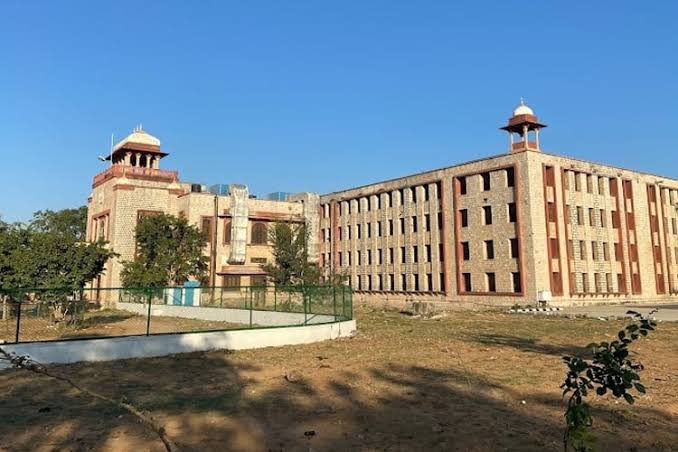
Ph.D. in Population Studies from Rajasthan University: Eligibility, Entrance Exam, Fee Structure, Admission Process, Subjects, Research Areas, Syllabus, Scholarship & Career Scope
Introduction about Ph.D. in Population Studies at Rajasthan University
Rajasthan University stands as a beacon of academic excellence in the heart of India's cultural capital. The Ph.D. program in Population Studies is meticulously crafted for professionals who aspire to become thought leaders in demography, public health, social policy, and related interdisciplinary fields. With a curriculum that blends rigorous quantitative methods with qualitative insights, the program nurtures critical thinkers capable of shaping evidence‑based policies for sustainable development.
Eligibility Criteria for Ph.D. in Population Studies at Rajasthan University
- A Master’s degree (M.A., M.Sc., M.Com., M.Phil.) in Population Studies, Sociology, Demography, Public Health, Economics, Statistics or any related discipline with at least 55% aggregate (or an equivalent CGPA of 6.0/10).
- For candidates with a Research Data Analysis Services background, possession of a recognized research methodology certification is advantageous.
- Minimum of 2 years of professional experience in research, NGOs, government agencies, or academia is preferred but not mandatory.
- Qualifying the university‑conducted entrance examination or holding a national-level test score (e.g., UGC NET, CSIR NET, GATE) that meets the university's minimum cut‑off.
Entrance Exam for Ph.D. in Population Studies at Rajasthan University
The entrance exam evaluates candidates on:
- Research Aptitude & Methodology (30%) – includes hypothesis formulation and data analysis basics.
- Core Knowledge in Population Studies (40%) – covering demographic transition, fertility, mortality, migration, and population policies.
- General Awareness & Analytical Reasoning (30%) – current affairs, Indian socioeconomic scenario, and logical reasoning.
Preparation resources such as Research Paper Writing Services can be leveraged to enhance analytical writing skills required for the exam.
Fee Structure for Ph.D. in Population Studies at Rajasthan University
| Fee Component | Amount (INR) | Notes |
|---|---|---|
| Application & Processing Fee | 2,500 | Non‑refundable, payable online |
| Entrance Examination Fee | 3,000 | Includes test centre charges |
| Tuition & Laboratory Charges (per semester) | 12,000 | Estimated for 4 semesters |
| Library & Digital Resources | 1,500 | Annual subscription |
| Miscellaneous (Printing, Certification) | 2,000 | One‑time fee |
| Total Approximate Cost (4 semesters) | 66,000 | Excluding scholarships and financial aid |
Admission Process for Ph.D. in Population Studies at Rajasthan University
- Online Registration: Fill the application form on the university portal and upload scanned copies of academic certificates, ID proof, and experience letters.
- Entrance Examination: Appear for the university‑conducted test or submit a valid national‑level qualifying score.
- Interview: Shortlisted candidates are invited for a research‑oriented interview with the Departmental Committee.
- Document Verification: Submit original documents for verification at the admission office.
- Final Admission & Fee Payment: Receive the admission letter and pay the first installment of the tuition fee.
Ph.D. Subjects and Specializations in Population Studies at Rajasthan University
The program offers a range of specializations to align with industry demands and research interests:
- Demographic Modeling & Forecasting
- Population Health & Epidemiology
- Rural and Urban Migration Studies
- Family Planning & Reproductive Health
- Socio‑Economic Impact of Population Dynamics
- Policy Analysis & Development Planning
Research Areas in Population Studies at Rajasthan University
Faculty mentors guide doctoral candidates across diverse research domains, including but not limited to:
- Ageing Population and Social Security Systems
- Gender Disparities in Demographic Transitions
- Impact of Climate Change on Migration Patterns
- Data‑Driven Public Health Interventions
- Utilization of Big Data and GIS in Demographic Research
- Evaluation of Government Population Policies
Documents Required for Ph.D. in Population Studies at Rajasthan University
| Document | Format | Remarks |
|---|---|---|
| Application Form (Online) | Completed and signed | |
| Mark Sheets & Degree Certificates | Scanned PDF (max 2 MB each) | All semesters |
| Research Proposal (2,500 words) | Word Document | Include objectives, methodology, expected outcomes |
| Curriculum Vitae | Highlight research experience and publications | |
| Identity Proof (Aadhar/Passport) | Scanned PDF | Valid & recent |
| Experience Certificates (if any) | Relevant to research field |
Rajasthan University Ph.D. Syllabus for Population Studies
The syllabus is structured into three progressive phases:
- Core Foundations (Semesters 1‑2): Advanced Demographic Theory, Statistical Methods for Population Research, Research Ethics, and Qualitative Techniques.
- Specialization Modules (Semesters 2‑3): Choose two electives from the specializations listed earlier, each comprising 3‑credit courses and a mini‑project.
- Dissertation Phase (Semester 4): Conduct original research, submit a thesis manuscript, and defend before the university board.
How To Apply for Ph.D. in Population Studies at Rajasthan University
Follow these steps to submit a successful application:
- Visit the official Rajasthan University Ph.D. portal and create a user account.
- Complete the online application form, ensuring accurate entry of personal and academic details.
- Upload the required documents (see the table above) and pay the application fee via the secure gateway.
- Schedule your entrance exam through the portal; a confirmation email will be sent with venue details.
- After qualifying the exam, prepare for the interview and keep your research proposal ready for discussion.
Career Scope and Job Opportunities After Ph.D. in Population Studies from Rajasthan University
A doctorate in Population Studies unlocks diverse career pathways:
- Academia & Research: Lecturer, Assistant Professor, or Research Scientist in universities and think tanks.
- Government & Policy Institutes: Demographer, Policy Analyst, or Senior Advisor in ministries of health, statistics, and planning.
- International Organizations: Roles at UNDP, WHO, World Bank focusing on population health and development programmes.
- NGOs & Social Enterprises: Program Manager, Monitoring & Evaluation Specialist for community‑based interventions.
- Data‑Intensive Sectors: Senior Data Analyst or Consultant leveraging big‑data techniques for market research and public‑sector analytics.
Graduates often collaborate with industry partners for Questionnaire Design and Development projects, enhancing their practical skill set.
Scholarship for Ph.D. in Population Studies at Rajasthan University
Financial aid options include:
- University Merit Scholarship: Up to 50% tuition waiver for candidates with a GPA of 8.5/10 or higher.
- UGC‑JRF (Junior Research Fellowship): Monthly stipend of INR 31,000 plus contingency expenses.
- State Government Grants: Yearly stipend for residents of Rajasthan meeting merit criteria.
- Corporate Sponsored Fellowships: Companies in health analytics and data science sponsor research projects.
FAQs Regarding Ph.D. in Population Studies at Rajasthan University
- 1. What is the minimum qualifying score for the entrance exam?
- Candidates must secure at least 55% in the written test and a minimum of 50% in the interview to qualify for admission.
- 2. Can I pursue the Ph.D. part‑time while working?
- Yes, Rajasthan University offers a flexible part‑time mode for working professionals, subject to approval by the Departmental Committee.
- 3. Is there any provision for publishing my research in indexed journals?
- Students are encouraged to publish at least two research papers in peer‑reviewed journals. The university provides Thesis and Dissertation Writing Services to support manuscript preparation.
- 4. How long does it take to complete the Ph.D.?
- The typical duration is 4 semesters (approximately 2 years) for full‑time candidates, subject to satisfactory progress in research and coursework.
- 5. Are there any language proficiency requirements?
- English proficiency is essential. Candidates whose medium of instruction was not English must provide an IELTS/TOEFL score meeting the university’s minimum criteria.








