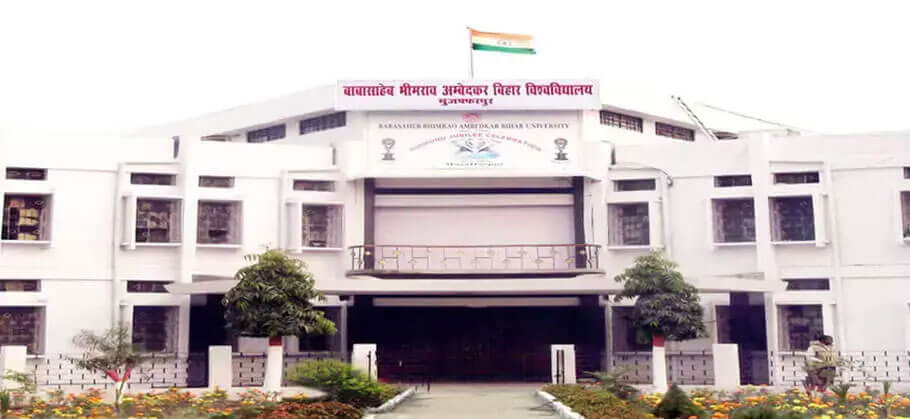
Ph.D. in Psychology from Babasaheb Bhimrao Ambedkar Bihar University: Eligibility, Entrance Exam, Fee Structure, Admission Process, Subjects, Research Areas, Syllabus, Scholarship & Career Scope
Introduction about Ph.D. in Psychology at Babasaheb Bhimrao Ambedkar Bihar University
Embarking on a journey to earn a Ph.D. in Psychology is a transformative experience that positions you at the forefront of behavioral science and mental health research. Babasaheb Bhimrao Ambedkar Bihar University (BRABU), Muzaffarpur, offers a prestigious doctoral program designed to foster critical thinking, academic rigor, and a deep understanding of human cognition and social structures. For dedicated professionals aiming to contribute to society through psychological inquiry, this program provides the right ecosystem for intellectual growth and professional excellence.
Eligibility Criteria for Ph.D. in Psychology at Babasaheb Bhimrao Ambedkar Bihar University
To pursue an advanced degree in Psychology at BRABU, candidates must fulfill the following criteria:
- A Master?s degree in Psychology or a relevant discipline from a recognized university.
- A minimum aggregate of 55% marks (or equivalent CGPA) in the Master?s degree (5% relaxation for SC/ST/OBC and differently-abled candidates).
- Must have qualified for the university-level Research Eligibility Test (RET) or hold valid NET/JRF/SLET scores.
Entrance Exam for Ph.D. in Psychology at Babasaheb Bhimrao Ambedkar Bihar University
The university conducts a rigorous entrance examination known as the Research Eligibility Test (RET). The test evaluates candidates on two primary fronts:
- Research Methodology: Assessing the applicant's command over research design, statistics, and logical reasoning.
- Subject Proficiency: Testing in-depth knowledge of core psychological theories, experimental psychology, and clinical approaches.
If you are struggling to prepare for the test, our platform provides professional PhD Admission Assistance to help navigate the admission complexities.
Fee Structure for Ph.D. in Psychology at Babasaheb Bhimrao Ambedkar Bihar University
The fee structure is transparent and regulated by the university guidelines. Below is an indicative overview:
| Particulars | Estimated Fee |
|---|---|
| Application Fee | INR 2,000 - 3,000 |
| Course Work Fee | INR 10,000 - 15,000 |
| Annual Research/Registration Fee | INR 5,000 - 8,000 |
| Thesis Submission Fee | INR 5,000 - 10,000 |
Admission Process for Ph.D. in Psychology at Babasaheb Bhimrao Ambedkar Bihar University
The admission process involves a structured approach:
- Application submission via the official university portal.
- Passing the entrance examination (RET) or verification of exemption status.
- Personal Interview and presentation of the research proposal. Seeking PhD Topic Selection and Proposal Assistance is highly recommended to impress the interview committee.
- Final selection based on vacancy and merit.
Ph.D. Subjects and Specializations in Psychology at Babasaheb Bhimrao Ambedkar Bihar University
The program covers broad domains including but not limited to: Cognitive Psychology, Clinical Psychology, Social Psychology, Industrial-Organizational Psychology, and Educational Psychology.
Research Areas in Psychology at Babasaheb Bhimrao Ambedkar Bihar University
Candidates are encouraged to explore innovative research, including:
- Rural mental health and community development.
- Psychological impact of social media on youth.
- Stress management and industrial productivity.
- Cross-cultural studies on human behavior.
Documents Required for Ph.D. in Psychology at Babasaheb Bhimrao Ambedkar Bihar University
Applicants must organize the following documents for verification:
- Mark sheets and certificates of 10th, 12th, Graduation, and Post-Graduation.
- Entrance Exam Scorecard (or NET/JRF certificate).
- Research Proposal (drafted with the help of professional Editing and Proofreading Services).
- Caste and Domicile certificates.
- Passport-sized photographs and valid ID proof.
Babasaheb Bhimrao Ambedkar Bihar University Ph.D. Syllabus for Psychology
The syllabus for the course work mainly consists of:
- Advanced Research Methodology.
- Quantitative and Qualitative Data Analysis.
- Computer Applications in Psychology.
- Review of Literature and Ethics in Research.
How To Apply for Ph.D. in Psychology at Babasaheb Bhimrao Ambedkar Bihar University
Interested candidates should visit the official BRABU website, fill out the registration form, upload necessary documents, and pay the application fee online. Ensure that every detail matches your academic testimonials to avoid disqualification.
Career Scope and Job Opportunities After Ph.D. in Psychology from Babasaheb Bhimrao Ambedkar Bihar University
Graduates find rewarding careers in:
- Academia: Assistant Professor or Lecturer.
- Corporate: Human Resource Management and Organizational Development.
- Clinical: Counselors and Clinical Psychologists.
- Research: Post-doctoral researchers and project consultants.
To establish yourself as an authority, utilize Research Publication Support and explore Patent Filing and Support Services if your research involves new psychometric tools.
Scholarship for Ph.D. in Psychology at Babasaheb Bhimrao Ambedkar Bihar University
Multiple government-funded fellowships, such as the MANF, JRF (UGC), and state-level scholarships, are available for meritorious candidates. Additionally, the university provides small stipends for full-time researchers depending on departmental funding availability.
FAQs Regarding Ph.D. in Psychology at Babasaheb Bhimrao Ambedkar Bihar University
Q: Is the Ph.D. program full-time or part-time?
A: BRABU offers both modes, but candidates must check current university notifications regarding residency requirements.
Q: Can I obtain an Honorary Doctorate Programs degree simultaneously?
A: No, an honorary doctorate is not an academic equivalent to a Ph.D. program and cannot be pursued simultaneously.
Q: How long does the Ph.D. take?
A: Typically, it spans 3 to 5 years, including course work and thesis completion.








