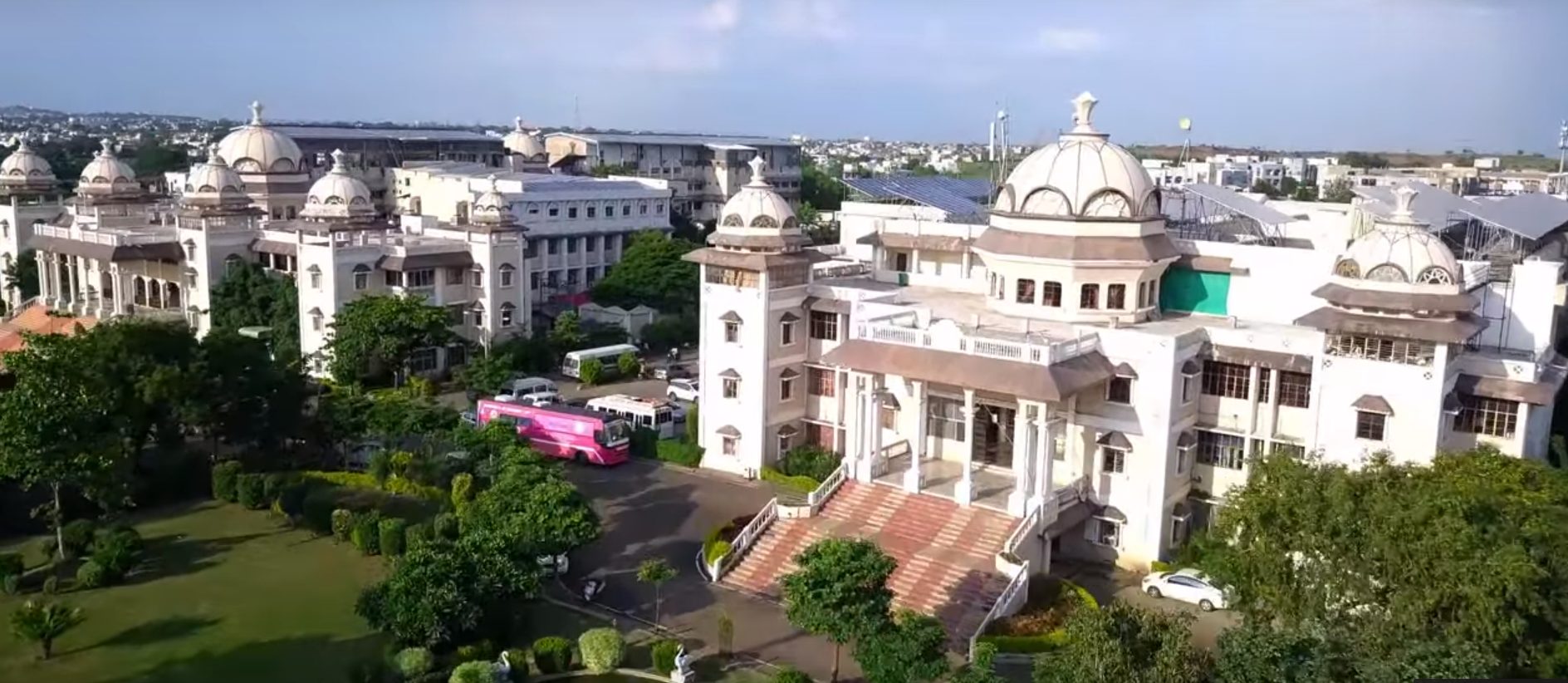
Ph.D. in Radiology & Imaging Technology from Datta Meghe Institute of Medical Sciences
Introduction about Ph.D. in Radiology & Imaging Technology at Datta Meghe Institute of Medical Sciences
The Ph.D. in Radiology & Imaging Technology at Datta Meghe Institute of Medical Sciences (DMIMS) offers a rigorous research environment for professionals aiming to advance diagnostic imaging, interventional radiology, and related biomedical technologies. This program blends advanced coursework with cutting‑edge research, preparing scholars for academic, clinical, and industry leadership.
Eligibility Criteria for Ph.D. in Radiology & Imaging Technology at Datta Meghe Institute of Medical Sciences
- Master’s degree (M.Sc., M.Tech., or equivalent) in Radiology, Medical Imaging, Biomedical Engineering, or related field with minimum 55% aggregate.
- Valid GATE/NET score in a relevant discipline (optional but preferred).
- Research aptitude demonstrated through publications or project work.
- Minimum age: 21 years (no upper age limit).
Entrance Exam for Ph.D. in Radiology & Imaging Technology at Datta Meghe Institute of Medical Sciences
DMIMS conducts its own entrance examination that assesses:
- Fundamental concepts in radiology, imaging physics, and biomedical instrumentation.
- Analytical reasoning and research methodology.
- English language proficiency.
Applicants with valid GATE/NET scores may be exempted from the written test and invited directly for a personal interview.
Fee Structure for Ph.D. in Radiology & Imaging Technology at Datta Meghe Institute of Medical Sciences
| Category | Annual Fee (INR) | Additional Charges |
|---|---|---|
| General Category | 80,000 | Laboratory & Equipment Fee: 15,000 |
| OBC Category | 72,000 | Laboratory & Equipment Fee: 15,000 |
| SC/ST/PWD | 48,000 | Laboratory & Equipment Fee: 15,000 |
Admission Process for Ph.D. in Radiology & Imaging Technology at Datta Meghe Institute of Medical Sciences
- Online application submission through the DMIMS portal.
- Upload academic transcripts, statement of purpose, and research proposal.
- Pay the application fee (₹2,500).
- Qualify for the entrance exam or submit a valid GATE/NET score.
- Attend the personal interview and presentation of research proposal.
- Final selection based on academic merit, research potential, and interview performance.
Ph.D. Subjects and Specializations in Radiology & Imaging Technology at Datta Meghe Institute of Medical Sciences
- Advanced Imaging Modalities (MRI, CT, PET-CT)
- Interventional Radiology Techniques
- Radiation Physics and Dosimetry
- Medical Image Processing & AI
- Biomedical Instrumentation for Imaging
- Clinical Radiology and Patient Management
Research Areas in Radiology & Imaging Technology at Datta Meghe Institute of Medical Sciences
- Artificial Intelligence in Diagnostic Imaging
- Low‑dose Radiation Techniques
- Hybrid Imaging (PET/MRI) Development
- Contrast Agent Innovation
- Image‑guided Therapeutic Procedures
- Quantitative Imaging Biomarkers
Documents Required for Ph.D. in Radiology & Imaging Technology at Datta Meghe Institute of Medical Sciences
| Document | Details |
|---|---|
| Academic Transcripts | Certified copies of all postgraduate and undergraduate certificates. |
| Entrance Exam Scorecard | GATE/NET or DMIMS entrance exam score. |
| Research Proposal | 2‑page outline of intended research topic. |
| Identity Proof | Aadhaar card, passport, or driver’s license. |
| Photographs | Recent passport‑size (2) photographs. |
Datta Meghe Institute of Medical Sciences Ph.D. Syllabus for Radiology & Imaging Technology
The syllabus is divided into core modules and elective research topics:
- Core Modules: Imaging Physics, Radiobiology, Advanced Diagnostic Techniques, Research Methodology, Statistical Analysis.
- Electives: AI‑Based Image Reconstruction, Clinical Trials in Radiology, Molecular Imaging, Radiation Safety, Biomedical Signal Processing.
- Thesis: Original research work culminating in a dissertation evaluated by an external review panel.
How To Apply for Ph.D. in Radiology & Imaging Technology at Datta Meghe Institute of Medical Sciences
Follow these steps to submit a successful application:
- Visit the official DMIMS admissions portal.
- Create a user account and fill in personal details.
- Upload scanned copies of required documents (see Documents Required section).
- Enter your research proposal and select preferred specialization.
- Pay the application fee via net banking or credit card.
- Submit the form and note the application reference number for future tracking.
Career Scope and Job Opportunities After Ph.D. in Radiology & Imaging Technology from Datta Meghe Institute of Medical Sciences
Graduates can pursue rewarding careers such as:
- Assistant/Associate Professor in Medical Colleges.
- Senior Research Scientist in imaging labs of pharmaceutical or biotech firms.
- Chief Radiology Officer in hospitals and diagnostic centers.
- Product Development Manager for medical imaging equipment manufacturers.
- Consultant for AI‑driven imaging solutions.
- Policy Advisor for radiology standards in governmental health agencies.
Scholarship for Ph.D. in Radiology & Imaging Technology at Datta Meghe Institute of Medical Sciences
DMIMS offers merit‑based and need‑based scholarships covering tuition fees, a monthly stipend of ₹15,000, and research grant assistance. Additional funding can be secured through:
- UGC–CSIR Doctoral Fellowships.
- National Institutes of Health (NIH) collaborative grants.
- Industry‑sponsored research fellowships.
FAQs Regarding Ph.D. in Radiology & Imaging Technology at Datta Meghe Institute of Medical Sciences
- What is the minimum duration of the Ph.D. program?
- Typically 3 years of full‑time research, extendable up to 5 years based on progress.
- Can I pursue the Ph.D. part‑time while working?
- Yes, DMIMS provides a flexible part‑time track for qualified professionals, with a maximum duration of 7 years.
- Is there any provision for international students?
- International candidates are welcomed and must meet the same academic criteria; an English proficiency test (IELTS/TOEFL) is required.
- How are publications evaluated during the Ph.D.?
- A minimum of two peer‑reviewed journal articles or one conference paper is mandatory before thesis submission.
- What support is available for laboratory access?
- Students receive full access to DMIMS’s state‑of‑the‑art imaging suites, AI labs, and radiobiology facilities.
Thesis and Dissertation Writing Services
Research Data Analysis Services
Research Paper Writing Services
Questionnaire Design and Development








