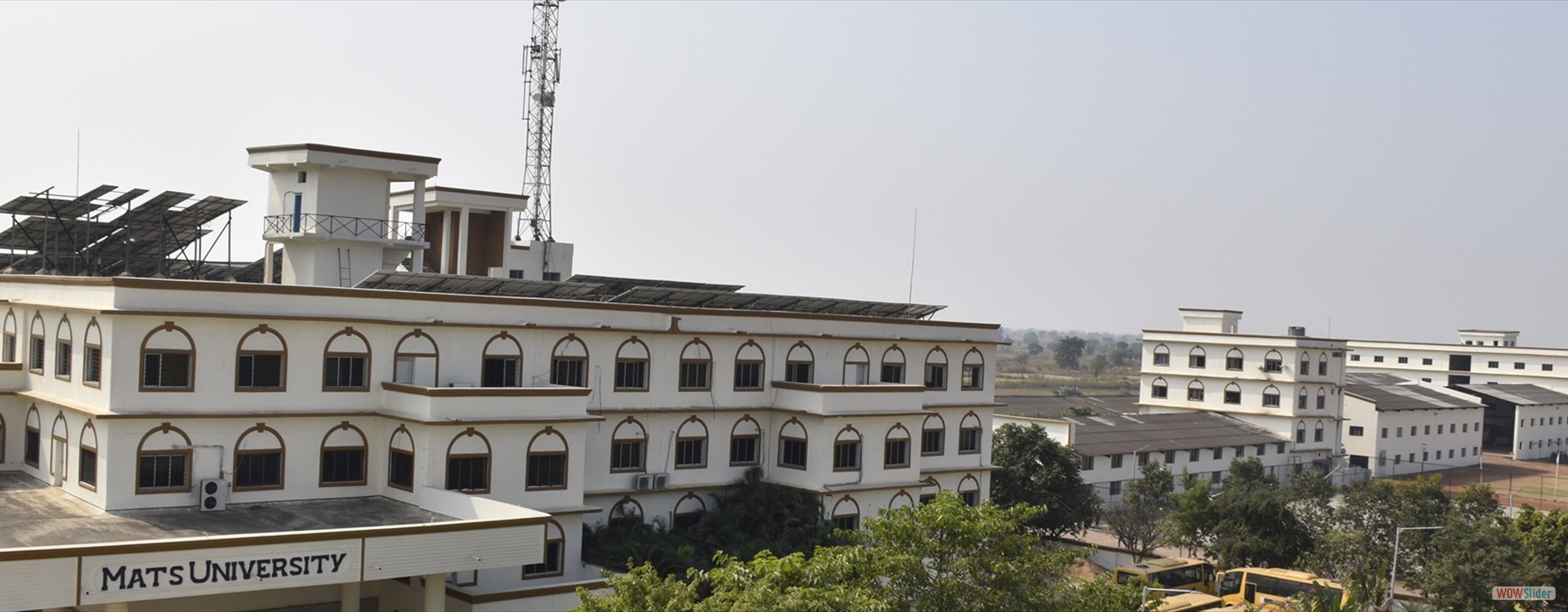
Ph.D. in Radiology & Imaging Technology from MATS University: Eligibility, Entrance Exam, Fee Structure, Admission Process, Subjects, Research Areas, Syllabus, Scholarship & Career Scope
Introduction about Ph.D. in Radiology & Imaging Technology at MATS University
The Doctor of Philosophy in Radiology & Imaging Technology at MATS University is designed for healthcare professionals and scientists who aspire to lead cutting‑edge research in diagnostic imaging, radiation therapy, and medical physics. This program blends advanced theoretical knowledge with practical research, preparing graduates to become innovators in hospitals, research institutes, and academia worldwide.
Eligibility Criteria for Ph.D. in Radiology & Imaging Technology at MATS University
Prospective candidates must meet the following minimum requirements:
- Master’s degree (M.Sc., M.Tech., M.Pharm., or equivalent) in Radiology, Medical Imaging, Biomedical Engineering, Physics, or a related discipline with at least 55% aggregate (50% for SC/ST candidates).
- Valid GATE score in relevant engineering or science streams is advantageous but not mandatory.
- Proficiency in English (IELTS/TOEFL scores are required for international applicants).
- Two years of professional experience in diagnostic radiology, imaging research, or related clinical settings is highly preferred.
Entrance Exam for Ph.D. in Radiology & Imaging Technology at MATS University
MATS University conducts a merit‑based entrance assessment comprising:
- Written test (objective and descriptive questions covering fundamentals of radiology, imaging modalities, and research methodology).
- Personal interview to evaluate research aptitude, motivation, and suitability for doctoral studies.
Candidates with a valid GATE score may be exempted from the written test and directly invited for an interview.
Fee Structure for Ph.D. in Radiology & Imaging Technology at MATS University
| Fee Component | Annual Amount (INR) | Notes |
|---|---|---|
| Tuition & Laboratory Charges | 1,50,000 | Includes access to advanced imaging labs and software. |
| Library & Resource Fees | 10,000 | Unlimited access to digital journals and e‑books. |
| Research Project Stipend (if applicable) | - | Scholarship or external funding may cover this. |
| Examination & Evaluation Fees | 5,000 | Per semester. |
| Miscellaneous (printing, software licenses) | 5,000 | Estimated annual cost. |
| Total Approximate Annual Fee | 1,70,000 |
Admission Process for Ph.D. in Radiology & Imaging Technology at MATS University
The streamlined admission workflow includes:
- Online Application: Submit the application form through the university portal along with scanned copies of academic certificates.
- Document Verification: The admissions office reviews eligibility and authenticity of provided documents.
- Entrance Assessment: Appear for the written test and interview (or submit GATE score).
- Provisional Offer Letter: Successful candidates receive a conditional offer pending final document verification.
- Final Admission & Enrollment: Pay the first-year fee and register for courses.
Ph.D. Subjects and Specializations in Radiology & Imaging Technology at MATS University
MATS University offers a range of research streams, allowing candidates to tailor their dissertation to emerging trends:
- Advanced MRI Techniques and Functional Imaging
- Radiation Oncology & Treatment Planning
- Artificial Intelligence in Image Analysis
- PET‑CT and Molecular Imaging
- Ultrasound Elastography and Contrast Imaging
- Radiation Safety and Dosimetry
Research Areas in Radiology & Imaging Technology at MATS University
Faculty mentors are actively engaged in high‑impact projects. Key research domains include:
- Deep learning algorithms for early tumor detection.
- Development of low‑dose CT protocols.
- Hybrid imaging systems integrating MRI and PET.
- Radiomics and big‑data analytics for personalized medicine.
- Innovations in interventional radiology devices.
- Radiation protection in pediatric imaging.
Documents Required for Ph.D. in Radiology & Imaging Technology at MATS University
| Document | Format | Remarks |
|---|---|---|
| Completed Online Application Form | PDF/Online | Mandatory |
| Academic Transcripts & Degree Certificates | Scanned PDF | All semesters |
| GATE Scorecard (if available) | Optional but advantageous | |
| Work Experience Letter | From current/previous employer | |
| Research Proposal (max 1500 words) | Outlines objectives & methodology | |
| Proof of English Proficiency | IELTS/TOEFL for non‑native speakers | |
| Passport‑Size Photograph | JPEG/PNG | Recent, white background |
MATS University Ph.D. Syllabus for Radiology & Imaging Technology
The syllabus is divided into core modules, electives, and research components:
- Core Modules: Advanced Imaging Physics, Radiation Biology, Clinical Radiology, Research Methodology, Biostatistics.
- Electives (choose any two): AI in Healthcare, Nuclear Medicine, Interventional Radiology, Biomedical Signal Processing, Health Informatics.
- Research Component: Original dissertation (minimum 80 pages), publications in indexed journals, conference presentations.
How To Apply for Ph.D. in Radiology & Imaging Technology at MATS University
Follow these step‑by‑step instructions:
- Visit the official MATS University website and navigate to the “Postgraduate Admissions” section.
- Register using a valid email address to create a user profile.
- Fill in the application form, upload the required documents, and pay the non‑refundable application fee of INR 2,000.
- Submit the research proposal and await an email confirmation for the entrance assessment date.
- Attend the written test and interview as scheduled.
- On receiving the provisional offer, complete fee payment and submit original certificates for verification.
Career Scope and Job Opportunities After Ph.D. in Radiology & Imaging Technology from MATS University
Graduates enjoy a diverse array of career pathways:
- Academic Positions: Assistant Professor, Lecturer, or Research Fellow in leading universities.
- Clinical Leadership: Head of Radiology Departments, Imaging Scientists, or Senior Technologists in tertiary hospitals.
- Industry Roles: R&D Manager, Product Development Engineer, or Technical Consultant for medical device manufacturers.
- Research Institutes: Principal Investigator in government or private research labs focusing on imaging innovations.
- Entrepreneurship: Founder of startups offering AI‑driven diagnostic solutions.
Continuous learning and networking are essential; alumni often collaborate with international institutions, contributing to high‑impact publications and patents.
Scholarship for Ph.D. in Radiology & Imaging Technology at MATS University
MATS University provides several financial assistance schemes:
- University Merit Scholarship: Covers up to 50% of tuition for top 10% rankers.
- Research Grant Scholarships: Funded by the Ministry of Science & Technology for project‑based research.
- Industry Sponsored Fellowships: Partnerships with leading imaging companies offering stipends and equipment access.
- External Scholarships: Candidates are encouraged to apply for national fellowships such as the CSIR‑JRF and UGC‑NET.
FAQs Regarding Ph.D. in Radiology & Imaging Technology at MATS University
- What is the typical duration of the Ph.D. program?
- Full‑time candidates usually complete the doctorate in 3–4 years, depending on research progress and publication requirements.
- Can I pursue the Ph.D. part‑time while working?
- Yes, MATS University offers a flexible part‑time mode for working professionals, extending the maximum duration to 6 years.
- Is there a requirement to publish research papers?
- At least two papers in peer‑reviewed international journals are mandatory for award of the degree.
- Do I receive a stipend during my doctoral studies?
- Stipends are available through university scholarships, research grants, or industry collaborations.
- Are international students eligible to apply?
- Absolutely. International applicants must meet the








