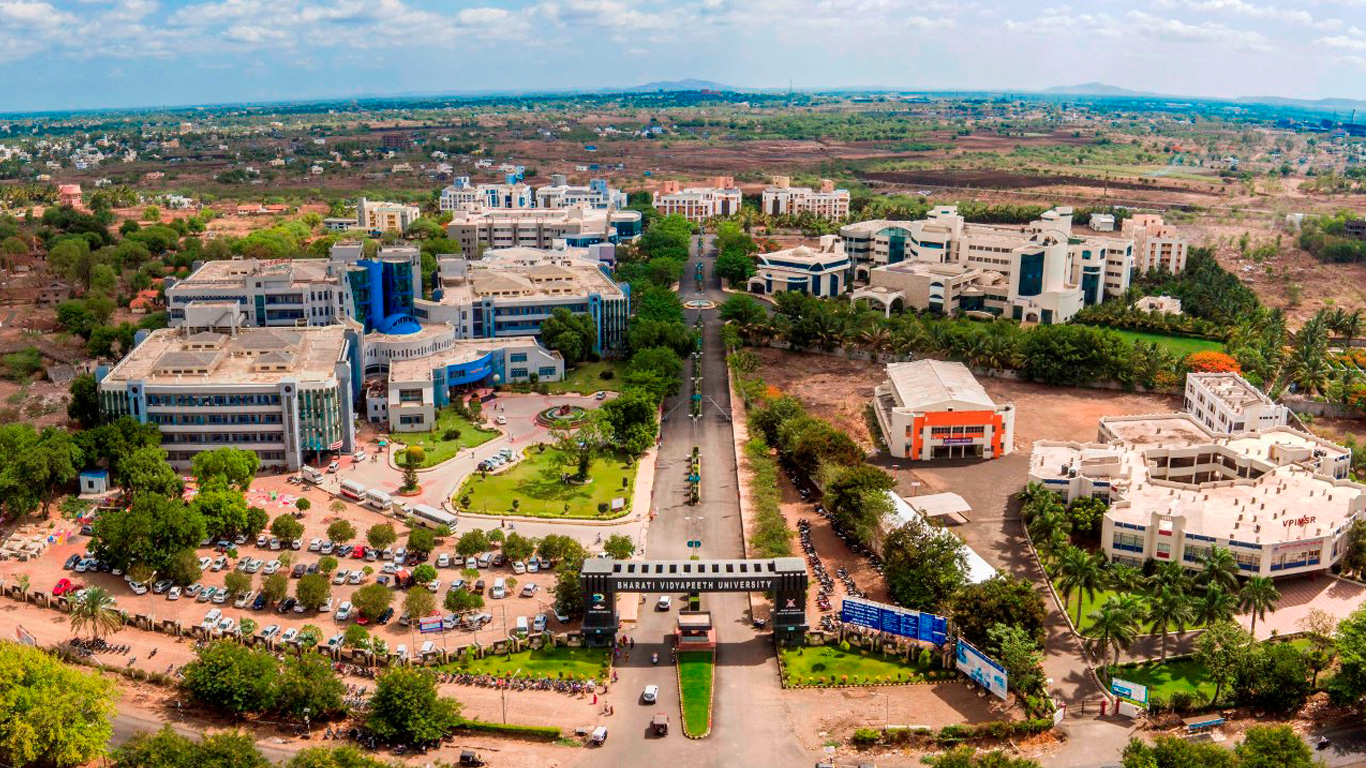
Introduction about Ph.D. in Rheumatology at Bharati Vidyapeeth
Choosing to pursue a Ph.D. in Rheumatology at Bharati Vidyapeeth marks the beginning of a transformative journey into the complex world of autoimmune diseases and musculoskeletal health. As a premier institution known for its unwavering commitment to medical excellence and research, Bharati Vidyapeeth offers a Ph.D. program that empowers professionals to transcend clinical boundaries. This doctoral journey is designed for those who aspire to lead the next generation of therapies for chronic inflammatory conditions, such as rheumatoid arthritis, lupus, and vasculitis. By integrating rigorous clinical practice with cutting-edge academic investigation, the university cultivates a culture of inquiry where scholars are encouraged to solve real-world medical challenges. The program is not merely about earning a degree; it is about becoming a pioneer in the field of clinical immunology and rheumatology, contributing to global health improvements. For scholars looking for comprehensive support during their academic tenure, professional Thesis and Dissertation Writing Services can provide the necessary guidance to articulate complex findings into a world-class dissertation.
Ph.D Admission 2026-2027 & Writing Support Services by Shiksha Research
Eligibility Criteria for Ph.D. in Rheumatology at Bharati Vidyapeeth
The eligibility criteria for a Ph.D. in Rheumatology at Bharati Vidyapeeth are designed to ensure that candidates possess the requisite clinical and academic foundation to handle advanced medical research. The primary requirements include:
- Educational Background: Candidates must have successfully completed a Master?s degree (MD or DNB) in General Medicine, Pediatrics, or a related medical specialty from a recognized university or an institution equivalent to the Medical Council of India (MCI) standards.
- Percentage Requirement: A minimum of 55% aggregate marks (or an equivalent grade) in the post-graduate degree is typically required for General category candidates. A relaxation of 5% is often provided to candidates from the reserved categories (SC/ST/OBC) as per statutory norms.
- Professional Standing: Applicants are expected to have a valid registration with the National Medical Commission (NMC) or State Medical Council.
- Experience: While not always mandatory, candidates with prior research experience or clinical practice in a rheumatology department are given preference during the selection process.
Entrance Exam for Ph.D. in Rheumatology at Bharati Vidyapeeth
Securing admission into the Ph.D. program at Bharati Vidyapeeth requires clearing a competitive entrance examination. This process ensures that only the most dedicated and intellectually capable candidates are chosen for doctoral research. The entrance exam usually consists of two parts:
The first part focuses on Research Methodology, assessing the candidate?s ability to design studies, understand statistical tools, and follow ethical guidelines in medical research. The second part is Subject-Specific, focusing on advanced concepts in Rheumatology, Clinical Immunology, and Internal Medicine. Candidates who have already qualified for national-level fellowships such as UGC-NET, CSIR-NET, GATE, or have passed the M.Phil. through a regular program may be exempted from the entrance test, though they must still appear for the university?s personal interview session.
Fee Structure for Ph.D. in Rheumatology at Bharati Vidyapeeth
The financial investment for a Ph.D. in Rheumatology at Bharati Vidyapeeth is structured to support high-quality laboratory access, library resources, and administrative costs. While the exact fee can vary based on the year of admission and the specific campus (Pune, Sangli, or Navi Mumbai), the following table provides a general breakdown of the anticipated costs for Ph.D. scholars:
| Fee Component | Estimated Amount (INR) | Frequency |
|---|---|---|
| Application & Registration Fee | ? 2,000 - ? 5,000 | One-time |
| Tuition Fee (Annual) | ? 1,50,000 - ? 3,00,000 | Per Year |
| Laboratory & Research Fund | ? 50,000 | Per Year |
| Library & Resource Fee | ? 10,000 | Per Year |
| Thesis Evaluation Fee | ? 15,000 - ? 25,000 | At Submission |
Note: These figures are indicative and subject to change. Candidates should verify the latest fee notification from the official University portal.
Admission Process for Ph.D. in Rheumatology at Bharati Vidyapeeth
The admission process is transparent and merit-based, designed to select candidates with a high potential for original medical research. The steps are as follows:
- Online Application: Interested candidates must visit the Bharati Vidyapeeth official website to fill out the application form within the stipulated timeframe.
- Entrance Testing: Candidates must appear for the All India Entrance Test (AIET) conducted by the university, focusing on aptitude and rheumatological science.
- Shortlisting: Based on the scores obtained in the entrance test, a merit list is prepared of candidates eligible for the interview stage.
- Research Proposal Presentation: Shortlisted candidates must present their proposed research area before the Ph.D. Committee. This is a critical stage where your passion for the subject must shine through.
- Personal Interview: The final stage involves an interaction with subject experts to assess the candidate's research acumen and clinical knowledge.
- Provisional Registration: Once selected, the candidate is granted provisional registration and must undergo a mandatory coursework period before starting their primary research.
Ph.D. Subjects and Specializations in Rheumatology at Bharati Vidyapeeth
A Ph.D. at Bharati Vidyapeeth is not a monolithic program; it allows for significant specialization within the field of Rheumatology. Scholars can dive deep into various clinical and translational subjects, such as:
- Pediatric Rheumatology: Focusing on juvenile idiopathic arthritis and rare autoimmune conditions in children.
- Geriatric Rheumatology: Understanding degenerative bone diseases and age-related inflammatory syndromes.
- Osteoimmunology: Investigating the interplay between the immune system and bone metabolism.
- Biological Therapies: Evaluating the impact and mechanisms of monoclonal antibodies and biosimilars in chronic rheumatology.
- Phytopharmacology in Rheumatology: Researching plant-based remedies and their bioactive compounds for treating arthritis.
Research Areas in Rheumatology at Bharati Vidyapeeth
Bharati Vidyapeeth provides a rich ecosystem for multi-disciplinary research. Scholars are encouraged to investigate high-impact areas that directly influence patient outcomes. Current and potential research areas include:
- Early diagnosis markers for Systemic Lupus Erythematosus (SLE).
- Analysis of gut microbiome alterations in patients with Ankylosing Spondylitis.
- Genetic susceptibility factors in the Indian population for various Connective Tissue Diseases (CTD).
- Quality of life assessments and patient-reported outcomes using advanced methodologies.
During the data collection and interpretation phases of these studies, scholars often utilize Research Data Analysis Services to ensure their findings are statistically significant and robust for publication in high-tier medical journals.
Documents Required for Ph.D. in Rheumatology at Bharati Vidyapeeth
Prospective students must maintain a comprehensive folder of documents for the verification process. Ensuring these are ready can facilitate a smooth admission experience:
- 10th and 12th Standard Marksheets and Certificates.
- Undergraduate (MBBS) Degree and Marksheets.
- Postgraduate (MD/DNB/M.Sc) Degree and Final Marksheet.
- National/State Level Entrance Qualification Certificate (if applicable).
- Transfer or Migration Certificate.
- No Objection Certificate (NOC) from the current employer (for working professionals).
- Caste Certificate (if applying under a reserved category).
- Passport-sized photographs and Identity Proof (Aadhar/Passport).
- A well-drafted Research Synopsis (Proposed Research Plan).
Bharati Vidyapeeth Ph.D. Syllabus for Rheumatology
The Ph.D. syllabus is divided into coursework and the actual research phase. The first six months to a year are dedicated to foundational training, which includes:
Part I: Research Methodology & Ethics ? This module covers philosophy of science, logic of research design, and bioethics. A critical component here is learning Questionnaire Design and Development, which is essential for gathering qualitative and quantitative data from patient cohorts and clinical trials.
Part II: Recent Advances in Rheumatology ? This focuses on the latest molecular biology techniques, genomics, and clinical updates in autoimmune therapies. Scholars study the evolution of treatment paradigms from non-steroidal drugs to precision medicine.
Part III: Practical Training ? Involvement in clinical rotations, laboratory techniques for auto-antibody testing, and participation in academic seminars and journal clubs.
How To Apply for Ph.D. in Rheumatology at Bharati Vidyapeeth
The application process for Bharati Vidyapeeth is designed to be scholar-friendly and primarily digital. Follow these specific steps to apply:
- Visit the Bharati Vidyapeeth (Deemed to be University) official admission portal.
- Locate the "Ph.D. Admissions" section and register with a valid email and phone number.
- Choose 'Rheumatology' from the dropdown list of medical subjects.
- Upload scanned copies of all required documents in the specified format and size.
- Pay the application fee via the secure payment gateway using credit/debit cards or Net banking.
- Submit the application and print the confirmation page for future reference.
- Regularly check the website for updates regarding the entrance exam dates and admit card downloads.
Career Scope and Job Opportunities After Ph.D. in Rheumatology from Bharati Vidyapeeth
Completing a Ph.D. in Rheumatology from such a prestigious institution opens doors to elite career paths within and outside academia. Potential opportunities include:
- Medical Scientist: Leading R&D in pharmaceutical companies focusing on immunological drugs and biosimilars.
- Academic Professor: Teaching and mentoring the next generation of medical students and post-graduates in medical colleges.
- Clinical Researcher: Designing and overseeing clinical trials for new rheumatological treatments.
- Consultant Immunologist: Providing expert opinions in specialized hospital settings and private practice.
- Public Health Advisor: Working with government or international bodies (like WHO) on chronic disease management policies.
Scholars who excel in their research often collaborate with Research Paper Writing Services to ensure their groundbreaking work is published in journals like *The Lancet Rheumatology* or *Annals of the Rheumatic Diseases*, further enhancing their professional profile and global reach.
Scholarship for Ph.D. in Rheumatology at Bharati Vidyapeeth
Bharati Vidyapeeth recognizes the financial challenges of long-term doctoral research and offers various support systems. Deserving candidates can avail themselves of:
- University Research Fellowships: Awarded to top-ranking candidates in the entrance test to cover basic living expenses and research costs.
- Government Fellowships: Candidates who have cleared national tests can bring their JRF/SRF fellowships from UGC, CSIR, or ICMR to the university.
- Industry-Sponsored Research: Collaborative projects with pharmaceutical companies often provide monthly stipends and funding for lab supplies.
- Institutional Grants: Financial aid for attending international conferences and presenting research papers.
FAQs Regarding Ph.D. in Rheumatology at Bharati Vidyapeeth
Q1: Can I pursue a Ph.D. in Rheumatology on a part-time basis?
A: Yes, Bharati Vidyapeeth often allows working professionals to enroll in a part-time Ph.D. program, provided they meet the residency requirements and have an NOC from their current employer.
Q2: What is the duration of the Ph.D. program?
A: The program generally lasts between 3 to 6 years, depending on the progress of the research and the nature of the study.
Q3: Is there a residential requirement for Ph.D. scholars?
A: Most Ph.D. tracks require a "Coursework" period of 6 months, which is usually residential to ensure rigorous academic preparation.
Q4: How important is the research proposal during the interview?
A: It is extremely important. The proposal demonstrates your clarity of thought, knowledge of the existing literature, and the feasibility of your research plan.
Q5: Are there dedicated research labs for Rheumatology?
A: Yes, the university boasts advanced immunology and pathology labs equipped with the latest technology for cellular and molecular research.








