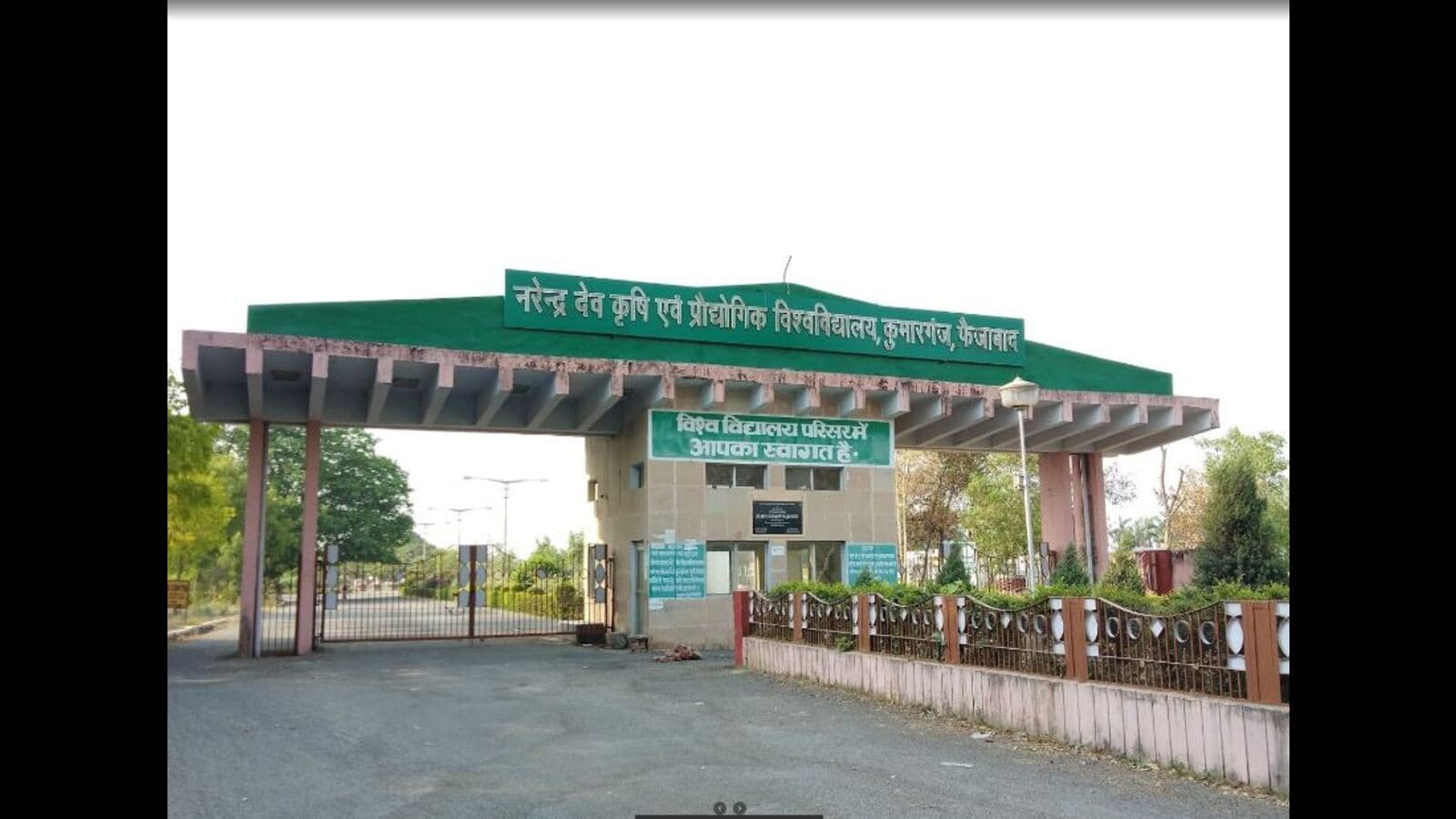
Ph.D. in Rural Development from Narendra Deo University: Eligibility, Entrance Exam, Fee Structure, Admission Process, Subjects, Research Areas, Syllabus, Scholarship & Career Scope
Introduction about Ph.D. in Rural Development at Narendra Deo University
Rural development stands at the crossroads of social equity, economic empowerment, and environmental stewardship. Pursuing a Ph.D. in Rural Development at Narendra Deo University equips professionals with the analytical rigor and interdisciplinary perspective required to design transformative policies, implement sustainable interventions, and generate scholarly contributions that resonate globally. This program blends rigorous coursework, cutting‑edge research, and field‑based projects, fostering leaders who can navigate complex rural ecosystems and drive inclusive growth.
Eligibility Criteria for Ph.D. in Rural Development at Narendra Deo University
Prospective candidates must satisfy the following baseline requirements:
- A Master's degree (M.A./M.Sc./M.Com.) in Rural Development, Agriculture, Economics, Sociology, Environmental Science, or a closely related discipline with a minimum aggregate of 55% (50% for SC/ST/OBC).
- Recognition of the postgraduate degree by the University Grants Commission (UGC) or an equivalent statutory body.
- Eligibility for the NET/ GATE/ CSIR exam in a relevant subject is considered advantageous but not mandatory.
- For foreign nationals, an equivalent degree evaluated by the University’s International Admissions Office.
Entrance Exam for Ph.D. in Rural Development at Narendra Deo University
The university conducts a two‑stage entrance assessment:
- Written Test: A 100‑question objective paper covering research methodology, rural development theories, statistics, and subject‑specific concepts. Duration: 2 hours.
- Interview & Proposal Defense: Candidates present a concise research proposal, followed by a panel interview assessing originality, feasibility, and alignment with the university’s research priorities.
Candidates who have qualified the UGC‑NET or GATE may request a waiver for the written test, proceeding directly to the interview stage.
Fee Structure for Ph.D. in Rural Development at Narendra Deo University
| Fee Component | Amount (INR) | Notes |
|---|---|---|
| Application & Processing Fee | 2,500 | Non‑refundable, payable at time of online submission. |
| Entrance Examination Fee | 3,000 | Waived for NET/GATE qualified candidates. |
| Annual Tuition & Laboratory Charges | 18,000 per annum | Inclusive of library, e‑resources, and research facilitation. |
| Thesis Submission & Binding | 5,000 (one‑time) | Covering printing, binding, and plagiarism clearance. |
| Miscellaneous (Workshops, Field Visits) | 2,000 per annum | Variable depending on project requirements. |
| Total Approximate Cost (3‑Year Program) | 71,500 | Subject to revision each academic year. |
Admission Process for Ph.D. in Rural Development at Narendra Deo University
The admissions cycle follows a systematic eight‑step procedure:
- Online Application: Fill the digital form on the university portal, upload required documents, and pay the processing fee.
- Document Verification: Uploaded certificates are cross‑checked by the admissions committee.
- Entrance Exam Scheduling: Eligible candidates receive a confidential admit card via email.
- Written Examination: Conducted at designated test centers across the state.
- Result Declaration: Shortlisted candidates are invited for interview.
- Interview & Proposal Presentation: Candidates submit a 2,000‑word research proposal and defend it before a faculty panel.
- Final Merit List: Consolidated scores from written test, interview, and academic performance determine the final selection.
- Admission Confirmation: Successful applicants receive an official offer letter and enrollment instructions.
Ph.D. Subjects and Specializations in Rural Development at Narendra Deo University
The doctoral program offers a diverse array of specializations to align with evolving rural challenges:
- Sustainable Agriculture & Agro‑Ecology
- Rural Livelihoods & Poverty Alleviation
- Community‑Based Natural Resource Management
- Rural Finance and Micro‑Enterprise Development
- Gender and Social Inclusion in Rural Contexts
- Policy Analysis and Governance for Rural Areas
- Technological Adoption and Digital Inclusion in Villages
Research Areas in Rural Development at Narendra Deo University
Faculty expertise and regional priorities shape the following high‑impact research domains:
- Climate‑Smart Agriculture and Resilience Building
- Value‑Chain Development for Smallholder Farmers
- Rural Health Systems and Nutrition Security
- Renewable Energy Solutions for Off‑Grid Communities
- Migration Dynamics and Rural‑Urban Linkages
- Participatory Planning and Community Empowerment
- Data‑Driven Rural Policy Formulation
Documents Required for Ph.D. in Rural Development at Narendra Deo University
| Document | Format | Remarks |
|---|---|---|
| Academic Transcripts (10+2, Graduation, Post‑Graduation) | PDF, scanned copy | Attested by the issuing institution. |
| Proof of NET/GATE Qualification (if applicable) | Original scorecard or certificate. | |
| Curriculum Vitae (CV) | Include research experience, publications, and conferences. | |
| Research Proposal (Maximum 2,500 words) | Outline objectives, methodology, and expected outcomes. | |
| Identity Proof (Aadhaar / Passport) | Government‑issued, valid. | |
| Passport‑size Photograph | JPEG / PNG | White background, 3.5 × 4.5 cm. |
| Letter of Recommendation (2‑3) | From academicians or industry professionals. |
Narendra Deo University Ph.D. Syllabus for Rural Development
The doctoral curriculum balances core theoretical foundations with research‑intensive modules:
- Research Methodology & Statistics – Qualitative & quantitative methods, GIS, econometrics.
- Advanced Rural Development Theories – Classical and contemporary frameworks.
- Policy Analysis & Evaluation – Impact assessment, cost‑benefit analysis, stakeholder mapping.
- Field Techniques & Data Collection – Survey design, participatory rural appraisal, remote sensing.
- Specialized Electives – Chosen from the list of specializations (e.g., Rural Finance, Climate‑Smart Agriculture).
- Seminars & Workshops – Guest lectures, industry interaction, and research ethics.
- Thesis Work – Original research under the guidance of a faculty supervisor, culminating in a defendable dissertation.
How To Apply for Ph.D. in Rural Development at Narendra Deo University
Follow the step‑by‑step guide below to submit a successful application:
- Visit the official Ph.D. Rural Development portal and create a user account.
- Complete the online application form, ensuring accurate entry of personal and academic details.
- Upload all mandatory documents in the prescribed format (PDF/JPEG).
- Pay the non‑refundable processing fee through the secured payment gateway.
- Submit the application and note the generated application number for future correspondence.
- Monitor your email for the admit card, exam schedule, and subsequent interview invitation.
- Prepare for the written test using past papers and the university‑provided syllabus.
- Draft a concise research proposal (maximum 2,500 words) and be ready to defend it during the interview.
- Upon selection, complete the enrollment formalities, pay the first year’s tuition, and register for the research orientation program.
Career Scope and Job Opportunities After Ph.D. in Rural Development from Narendra Deo University
Graduates enjoy a broad spectrum of career pathways, including:
- Academia & Research: Assistant Professor, Research Fellow, Department Head at universities and research institutes.
- Government & Public Policy: Rural Development Officer, Policy Analyst, Programme Manager in ministries such as Rural Development, Agriculture, and Environment.
- International Organizations: Project Specialist, Monitoring & Evaluation Consultant for UNDP, World Bank, FAO, and NGOs.
- Think‑Tanks & Consulting: Senior Analyst, Sectoral Consultant, Impact Assessment Lead.
- Corporate & Agribusiness: Strategy Manager, Sustainability Officer, Rural Market Development Lead in FMCG, Agri‑Tech, and finance firms.
- Entrepreneurship: Founder of social enterprises targeting rural innovation, agribusiness incubation, or community‑based services.
The interdisciplinary skill set—research








