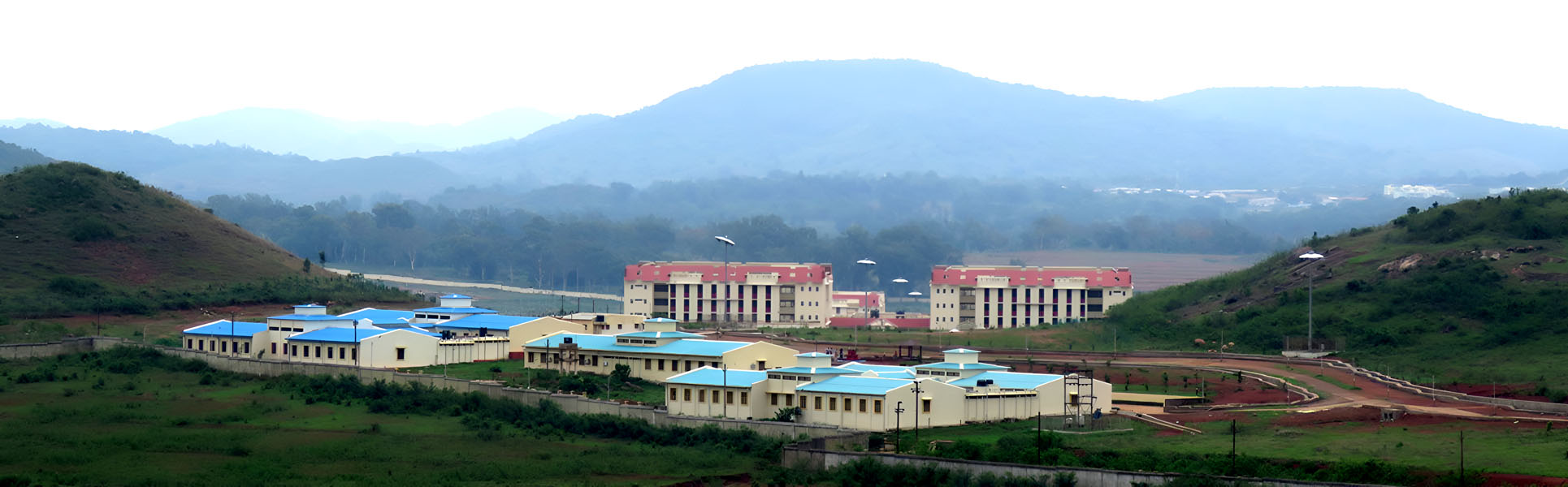
Ph.D. in Sanskrit from Central University of Orissa: Eligibility, Entrance Exam, Fee Structure, Admission Process, Subjects, Research Areas, Syllabus, Scholarship & Career Scope
Introduction about Ph.D. in Sanskrit at Central University of Orissa
The Ph.D. in Sanskrit offered by Central University of Orissa stands as a beacon for scholars eager to deepen their expertise in classical Indian literature, linguistics, and philosophical thought. This doctoral program blends rigorous academic training with immersive research opportunities, empowering candidates to contribute original scholarship to the vast corpus of Sanskrit studies. Whether you are a seasoned academic or a professional seeking interdisciplinary insights, the university’s state‑of‑the‑art resources, renowned faculty, and vibrant scholarly community provide an ideal launchpad for a distinguished career in research, teaching, or cultural preservation.
Eligibility Criteria for Ph.D. in Sanskrit at Central University of Orissa
Prospective candidates must satisfy the following minimum requirements:
- Master’s degree in Sanskrit, Indology, or a related discipline with at least 55% aggregate (or equivalent CGPA of 6.5/10).
- Clearing the university’s Ph.D. entrance examination or a nationally recognized test such as UGC NET, CSIR NET, or GATE.
- For candidates holding a Ph.D. in a different discipline, a minimum of two years of research experience in Sanskrit is preferred.
- Candidates with a Bachelor’s degree directly after 10+2 may apply under the “Integrated Ph.D.” route, subject to additional screening.
Entrance Exam for Ph.D. in Sanskrit at Central University of Orissa
The entrance assessment evaluates both subject‑specific knowledge and research aptitude. The test is divided into:
- Written Examination – 100 marks covering Vedic literature, grammar (Vyakarana), poetics (Alankara), philosophy (Darshana), and modern interpretative methodologies.
- Interview/Research Proposal Presentation – 50 marks where candidates articulate their proposed thesis, methodology, and potential contribution to the field.
Preparation materials, past papers, and sample questions are available on the university’s official portal. For candidates seeking supplementary assistance, professional services such as Thesis and Dissertation Writing Services can help refine research proposals.
Fee Structure for Ph.D. in Sanskrit at Central University of Orissa
| Component | Annual Fee (INR) | Notes |
|---|---|---|
| Tuition & Examination | 13,500 | Includes registration, library, and lab charges. |
| Hostel & Accommodation | 18,000 | Optional; on‑campus facilities. |
| Research Material & Fieldwork | 5,000 | May vary based on project requirements. |
| Miscellaneous (Internet, Printing) | 2,500 | Estimated average per year. |
| Total Approximate Cost (per year) | 39,000 |
Students are encouraged to explore funding options early, as several scholarships are earmarked for high‑performing candidates.
Admission Process for Ph.D. in Sanskrit at Central University of Orissa
The admission journey consists of the following sequential steps:
- Online Application – Fill the web‑based form, upload scanned documents, and pay the non‑refundable application fee.
- Eligibility Verification – The admissions office reviews academic credentials and qualifying test scores.
- Entrance Examination – Candidates appear for the written test at designated centers.
- Interview & Proposal Review – Shortlisted aspirants present their research proposal before the Ph.D. selection committee.
- Final Admission Offer – Successful candidates receive an official admission letter and are invited to register for the semester.
Throughout this process, applicants may benefit from Research Data Analysis Services to strengthen their proposal’s methodology section.
Ph.D. Subjects and Specializations in Sanskrit at Central University of Orissa
The doctoral programme offers a diverse set of specializations, allowing scholars to tailor their research to personal interests and market demand:
- Vedic Studies and Ritual Grammar
- Classical Sanskrit Literature (Mahakavya, Nataka)
- Sanskrit Linguistics and Computational Philology
- Philosophical Systems (Mimamsa, Vedanta, Nyaya)
- Epigraphy and Paleography
- Comparative Indo‑Aryan Studies
Research Areas in Sanskrit at Central University of Orissa
Faculty expertise and institutional resources support cutting‑edge investigations across multiple domains:
| Research Theme | Potential Projects |
|---|---|
| Digital Humanities | Creation of searchable Sanskrit corpora; OCR development for palm‑leaf manuscripts. |
| Manuscript Preservation | Conservation techniques for ancient texts; cataloguing of regional archives. |
| Interdisciplinary Philosophy | Comparative analysis of Buddhist and Hindu logical traditions. |
| Applied Linguistics | Investigating Sanskrit’s influence on modern Indian languages. |
For scholars aiming to produce publishable results, Research Paper Writing Services can provide editorial support and journal targeting assistance.
Documents Required for Ph.D. in Sanskrit at Central University of Orissa
| Document | Details |
|---|---|
| Academic Transcripts | Original mark sheets of all degrees (M.A., B.A., etc.). |
| Qualification Certificates | Degree certificates, NET/GATE scorecards if applicable. |
| Research Proposal | 1500‑word synopsis outlining objectives, methodology, and bibliography. |
| Identity Proof | Aadhaar card, passport, or voter ID (scanned copy). |
| Experience Letter (if any) | Proof of teaching/research experience in Sanskrit or related fields. |
Central University of Orissa Ph.D. Syllabus for Sanskrit
The syllabus is structured to nurture scholarly depth while maintaining flexibility for individual research trajectories. Core components include:
- Advanced Sanskrit Grammar (Vyakarana) – 30 credits
- Classical Textual Criticism – 25 credits
- Research Methodology & Statistics – 15 credits
- Seminars in Specialized Domains – 20 credits
- Thesis Work – Minimum 100 credits (ongoing throughout the program)
Supplementary workshops on digital tools, manuscript handling, and academic publishing are offered periodically.
How To Apply for Ph.D. in Sanskrit at Central University of Orissa
Follow these practical steps to submit a successful application:
- Visit the official university admissions portal and create a user account.
- Complete the online application form, ensuring accurate personal and academic details.
- Upload scanned copies of all mandatory documents (refer to the Documents Required table).
- Pay the INR 2,500 application fee via net banking or credit card.
- Submit the research proposal as a PDF (maximum 10 MB).
- After submission, track application status and download the admit card for the entrance exam.
Applicants who need assistance designing questionnaires for field‑based research can benefit from Questionnaire Design and Development services.
Career Scope and Job Opportunities After Ph.D. in Sanskrit from Central University of Orissa
A doctorate in Sanskrit unlocks a spectrum of professional avenues:
- Academic Positions – Lecturer, Assistant Professor, and Senior Faculty roles in universities and colleges across India and abroad.
- Research Fellowships – Grants from UGC, CSIR, ICSSR, and international bodies for post‑doctoral projects.
- Publishing & Editorial Work – Editing classical text series, managing scholarly journals, and authoring monographs.
- Cultural Heritage Management – Curatorial roles in museums, archives, and governmental cultural departments.
- Digital Humanities & Tech – Developing language processing tools, educational apps, and e‑learning platforms.
- Consultancy – Providing expertise to NGOs, policy think‑tanks, and translation agencies.
Alumni from Central University of Orissa have secured positions at premier institutions such as Jawaharlal Nehru University, Delhi University, and international research centers.
Scholarship for Ph.D. in Sanskrit at Central University of Orissa
Financial support is available through several schemes:
- University Merit Scholarship – Full tuition waiver and a monthly stipend of INR 12,000 for top‑ranked candidates.
- UGC Junior Research Fellowship (JRF) – Competitive national award covering living expenses and research costs.
- State Government Stip








