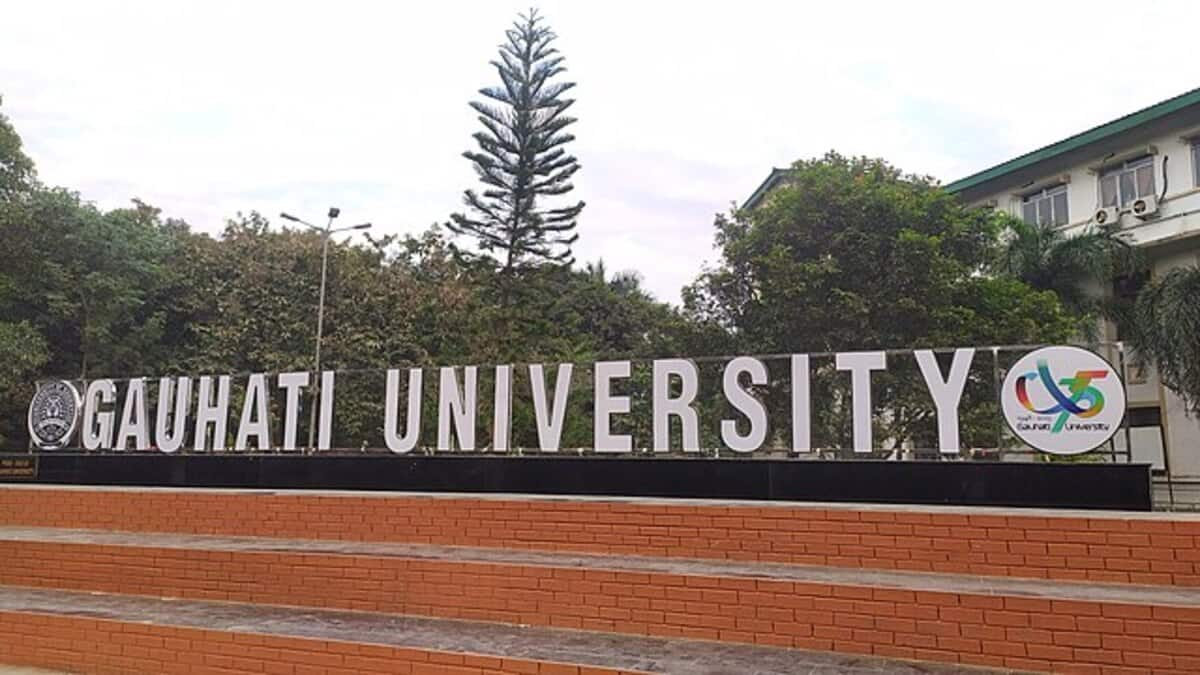
Introduction about Ph.D. in Sanskrit at Gauhati University
Embarking on a doctoral journey in Sanskrit at Gauhati University opens a gateway to profound scholarship, cultural preservation, and academic excellence. As a premier institution in Northeast India, Gauhati University offers a rigorous research environment that blends traditional Vedic studies with contemporary interdisciplinary approaches. This guide is crafted for professionals seeking to deepen their expertise, contribute original research, and shape the future of Indic studies.
Eligibility Criteria for Ph.D. in Sanskrit at Gauhati University
Prospective candidates must satisfy the following minimum requirements:
- Master’s degree (or equivalent) in Sanskrit, Linguistics, Indian Philosophy, or a related field with at least 55% aggregate marks (50% for SC/ST).
- Cleared the university‑conducted Ph.D. entrance examination or possess a valid national level qualification (e.g., UGC‑NET, CSIR‑NET) recognized by the university.
- For candidates holding a relevant M.Phil., the entrance test may be waived, provided the research proposal meets the university’s standards.
- Applicants should demonstrate proficiency in classical Sanskrit literature, modern analytical methods, and research methodology.
Entrance Exam for Ph.D. in Sanskrit at Gauhati University
The entrance examination evaluates both subject mastery and research aptitude. The structure typically includes:
- Written Test (100 marks): Divided into two sections – Classical Sanskrit (poetics, grammar, philosophy) and Research Methodology.
- Interview (20 marks): Assessment of the proposed research topic, literature review, and the candidate’s ability to articulate scholarly objectives.
Preparation resources, previous year papers, and detailed syllabi are made available on the university’s official portal. Candidates are encouraged to review the Editing and Proofreading Services to ensure their research proposals are polished and academically sound.
Fee Structure for Ph.D. in Sanskrit at Gauhati University
| Component | Amount (INR) | Notes |
|---|---|---|
| Application Fee | 1,500 | Non‑refundable, payable at the time of online submission. |
| Admission Fee (first semester) | 8,000 | Covering registration, library, and laboratory access. |
| Annual Tuition & Examination Fee | 12,000 | Charged each academic year after the first semester. |
| Contingency & Miscellaneous | 2,500 | Includes printing, bindery, and minor material costs. |
| Total Approximate Cost (3 years) | 55,500 | Subject to revisions based on university notifications. |
Admission Process for Ph.D. in Sanskrit at Gauhati University
The admission workflow is streamlined into distinct phases:
- Online Application: Fill the portal form, upload scanned documents, and pay the application fee.
- Entrance Examination: Appear for the written test on the scheduled date; obtain a merit list.
- Interview & Proposal Review: Successful candidates are invited for a personal interview and proposal defense.
- Final Selection & Admission Letter: Admission offers are dispatched via email, followed by the payment of the admission fee.
- Enrollment & Orientation: Enroll in the university’s graduate school and attend the mandatory research methodology workshop.
For specialized guidance during the application, you may benefit from the PhD Admission Assistance service, which offers personalized support throughout the process.
Ph.D. Subjects and Specializations in Sanskrit at Gauhati University
Gauhati University’s Department of Sanskrit accommodates a wide array of research specializations, including but not limited to:
- Vedic Literature and Ritual Studies
- Classical Poetics (Alankara Shastra)
- Vyakarana (Sanskrit Grammar) and Linguistics
- Philosophical Systems (Darshanas) – Nyaya, Mimamsa, Vedanta
- Modern Sanskrit Literature and Translation Studies
- Digital Humanities – Text Encoding, Corpus Linguistics, and Computational Tools for Sanskrit
Research Areas in Sanskrit at Gauhati University
Faculty members lead vibrant research clusters that address contemporary challenges while preserving ancient wisdom. Trending research areas include:
- Inter‑textual analysis of Vedic hymns using AI‑driven pattern recognition.
- Comparative studies of Sanskrit poetics and Western literary theory.
- Preservation of endangered manuscripts through digitization and critical editing.
- Application of Sanskrit grammatical frameworks to modern natural language processing (NLP).
- Exploration of Sanskrit’s role in environmental ethics and sustainable development.
Documents Required for Ph.D. in Sanskrit at Gauhati University
| Document | Format | Remarks |
|---|---|---|
| Academic Transcripts (M.A./M.Sc.) | PDF (scanned) | Must be attested by the issuing university. |
| Research Proposal (5–10 pages) | DOCX or PDF | Include objectives, literature review, methodology, and expected contribution. |
| Proof of Entrance Exam Qualification | UGC‑NET/CSIR‑NET scorecard or university test result. | |
| Curriculum Vitae (CV) | Highlight publications, conferences, and relevant experience. | |
| Identity Proof (Aadhaar/Passport) | Government‑issued, clear scan. |
Gauhati University Ph.D. Syllabus for Sanskrit
The syllabus is designed to build a strong foundation in advanced Sanskrit studies while fostering independent research capabilities. Core components include:
- Advanced Grammar (Vyakaran Shastra): Paninian frameworks, modern grammatical theories, and linguistic analysis.
- Classical Textual Criticism: Techniques for editing, commentary, and translation of primary sources.
- Research Methodology: Qualitative & quantitative methods, ethics, and scholarly writing.
- Interdisciplinary Seminars: Sessions on philosophy, arts, digital humanities, and comparative literature.
- Dissertation Work: Regular progress reviews, workshops, and publication guidance.
How To Apply for Ph.D. in Sanskrit at Gauhati University
Follow these step‑by‑step instructions to submit a successful application:
- Visit the official Gauhati University graduate admissions portal.
- Create an account using a valid email address.
- Complete the online application form, ensuring all mandatory fields are filled.
- Upload the required documents (as listed in the “Documents Required” section).
- Pay the Rs. 1,500 application fee via net banking or credit/debit card.
- Submit the application and note the generated application ID for future reference.
- Prepare for the entrance exam by reviewing past papers and attending university‑hosted webinars.
- After qualifying, schedule the interview, present your research proposal, and await the final admission letter.
For candidates seeking a competitive edge in proposal writing, consider the PhD Topic Selection and Proposal Assistance service, which offers expert feedback and strategic guidance.
Career Scope and Job Opportunities After Ph.D. in Sanskrit from Gauhati University
A doctoral degree in Sanskrit equips professionals with analytical rigor, linguistic dexterity, and deep cultural insight, opening diverse career pathways:
- Academia: Lecturer, Assistant Professor, or Research Fellow in universities and colleges worldwide.
- Research Institutes: Positions at cultural heritage bodies, linguistic research centres, and think‑tanks.
- Publishing & Translation: Editorial roles, literary translation projects, and content development for educational material.
- Digital Humanities & Tech: Development of Sanskrit NLP tools, corpora management, and AI‑driven linguistic platforms.
- Government & NGOs: Advisory roles in cultural policy, heritage conservation, and language promotion initiatives.
- Consultancy: Providing expertise for media, film, and the arts where authentic Sanskrit integration is required.
To enhance research visibility, the Research Publication Support service helps scholars publish in high‑impact journals and conferences.
Scholarship for Ph.D. in Sanskrit at Gauhati University
Financial assistance is available through several schemes:
- University Merit Scholarship: Covers tuition and a monthly stipend for top‑ranked candidates.
- UGC‑SRF (Senior Research Fellowship): Provides a stipend of Rs. 31,000 per month plus contingency grants.
- State Government Fellowships: Reserved for candidates from Assam and neighboring states, with additional research allowances.
- External Grants: Opportunities through the Ministry of Culture, Indian Council of Historical Research (ICHR), and private foundations.
Applicants can avail professional assistance for scholarship applications via the Honorary Doctorate Programs outreach team, which also guides on eligibility and documentation.
FAQs Regarding Ph.D. in Sanskrit at Gauhati University
- What is the minimum duration for completing the Ph.D.?
- The program is designed for a minimum of three years, extend








