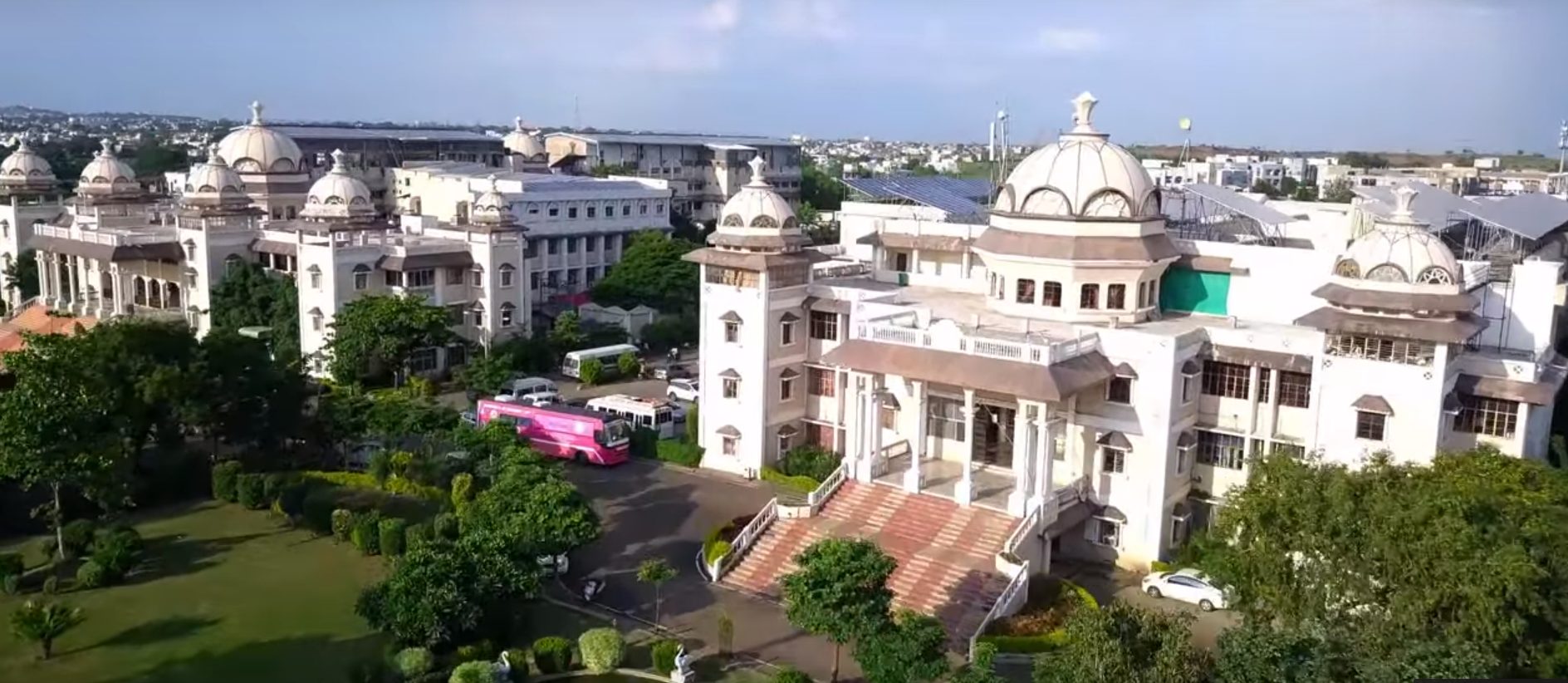
Introduction about Ph.D. in Shalakya Tantra at Datta Meghe Institute of Medical Sciences
Embarking on a doctoral journey in Shalakya Tantra at the prestigious Datta Meghe Institute of Medical Sciences (DMIMS) represents a pinnacle of academic and clinical achievement for Ayurvedic professionals. Shalakya Tantra, the specialized branch of Ayurveda dealing with diseases of the Urdhvajatru (supra-clavicular region), including Ophthalmology (Netra Roga), ENT (Karna, Nasa, Mukha Roga), and Dentistry, requires a profound blend of ancient wisdom and modern diagnostic precision. DMIMS, a Deemed-to-be University known for its state-of-the-art infrastructure and research-oriented clinical practices, provides an inspirational ecosystem where tradition meets evidence-based medicine. Pursuing a Ph.D. here is not merely about obtaining a degree; it is about becoming a pioneer who bridges the gap between classical Ayurvedic texts and contemporary surgical and medical interventions. The institute?s Commitment to excellence ensures that scholars are equipped with the intellectual tools necessary to transform the landscape of Ayurvedic specialized care.
Ph.D Admission 2026-2027 & Writing Support Services by Shiksha Research
Eligibility Criteria for Ph.D. in Shalakya Tantra at Datta Meghe Institute of Medical Sciences
To maintain the highest standards of academic excellence, DMIMS has established rigorous eligibility criteria for its doctoral program. Prospective candidates must possess a postgraduate degree (M.S. Shalakya Tantra) from a CCIM/NCISM recognized institution. A minimum of 55% aggregate marks in the master?s program is typically required, though a relaxation of 5% may be granted to candidates from reserved categories as per the prevailing regulatory norms. Furthermore, professionalism and a proven track record in clinical practice or academic research are highly valued. Candidates must also be registered with the State or Central Council of Indian Medicine to ensure their professional standing within the medicinal fraternity. This ensures that every scholar entering the Ph.D. program has a robust foundation in Ayurvedic surgical principles and is prepared to undertake high-level independent research.
Entrance Exam for Ph.D. in Shalakya Tantra at Datta Meghe Institute of Medical Sciences
Admission to the Ph.D. program is strictly merit-based, determined through a comprehensive All India Entrance Examination conducted by the University. The entrance exam is designed to test the candidate?s depth of knowledge in Shalakya Tantra and their aptitude for scientific inquiry. The paper generally consists of two parts: the first section focuses on Research Methodology and Biostatistics, while the second focuses on core Shalakya Tantra subjects. Following the written test, successful candidates are called for a personal interview or Viva-Voce, where they must present their research vision. Professionals often seek PhD Admission Assistance to navigate the complexities of this competitive process, ensuring they meet all institutional benchmarks and entrance requirements effectively.
Fee Structure for Ph.D. in Shalakya Tantra at Datta Meghe Institute of Medical Sciences
Investing in a Ph.D. at Datta Meghe Institute of Medical Sciences is an investment in professional leadership. The fee structure is designed to support world-class research facilities and experienced faculty guidance. Below is an indicative overview of the investment required:
| Component | Annual Fee (General Category) | Annual Fee (Management/NRI) |
|---|---|---|
| Tuition Fee | INR 1,50,000 - 2,00,000 | As per University Norms |
| Enrollment & Registration | INR 25,000 (One-time) | INR 35,000 (One-time) |
| Library & Lab Charges | INR 15,000 | INR 20,000 |
| Exam & Submission Fees | INR 20,000 | INR 30,000 |
| Caution Money (Refundable) | INR 10,000 | INR 10,000 |
Note: Fees are subject to change based on university ordinances. Scholars are advised to verify the latest structure from the official DMIMS finance department.
Admission Process for Ph.D. in Shalakya Tantra at Datta Meghe Institute of Medical Sciences
The admission process is a journey that filters for dedication and visionary thinking. It begins with the release of the official advertisement, followed by the submission of the online application form. After clearing the entrance examination, candidates must engage in the crucial phase of guide selection and laboratory affiliation. This stage often requires meticulous planning, where PhD Topic Selection and Proposal Assistance plays a vital role. Once a supervisor is allocated, the candidate presents their research proposal before the Institutional Research Ethics Committee and the Research Recognition Committee (RRC). Approval from these bodies officially marks the commencement of the doctoral journey, allowing the scholar to dive into their specialized area of Urdhvajatru research.
Ph.D. Subjects and Specializations in Shalakya Tantra at Datta Meghe Institute of Medical Sciences
The curriculum is structured to allow for both breadth and depth. While the overarching subject is Shalakya Tantra, scholars can specialize based on their clinical interests. Key areas of focus include:
- Netra Roga (Ophthalmology): Research into Kriya-Kalpa procedures and Ayurvedic management of chronic ocular conditions like Glaucoma and Macular Degeneration.
- Karna Roga (Otology): Investigating the efficacy of Karnapoorana and other therapies for hearing loss and tinnitus.
- Nasa Roga (Rhinology): Studies on Nasya Karma for chronic sinusitis and allergic rhinitis.
- Mukha & Danta Roga (Oral Health): Advanced research into periodontal health and oral pathology using Ayurvedic formulations.
- Shira-Roga: Exploring management protocols for vascular and tension headaches.
Research Areas in Shalakya Tantra at Datta Meghe Institute of Medical Sciences
DMIMS encourages high-impact research that can transition from "bench to bedside." Scholars are currently exploring the pharmacological validation of Dashamoola and Triphala in ocular inflammatory conditions, the biomechanics of Ayurvedic surgical instruments described by Sushruta, and the integration of Yoga in sensory organ wellness. Given the focus on innovation, the university encourages scholars to seek Patent Filing and Support Services for original formulations or novel therapeutic devices developed during their research. This focus on intellectual property ensures that the researcher's contributions are protected and recognized at a global level.
Documents Required for Ph.D. in Shalakya Tantra at Datta Meghe Institute of Medical Sciences
Documentation is a critical step in verifying the professional and academic credentials of the applicant. The followings are mandatory:
- BAMS Degree Certificate and Mark sheets
- MS (Shalakya Tantra) Degree Certificate and Mark sheets
- Valid Registration from NCISM/CCIM/State Board
- Birth Certificate or School Leaving Certificate
- Caste Certificate and Validity (if applicable)
- No Objection Certificate (NOC) from the current employer
- Proposed Research Outline (Synopsis)
- Migration and Transfer Certificates
- Recent Passport-size Photographs
Datta Meghe Institute of Medical Sciences Ph.D. Syllabus for Shalakya Tantra
The Ph.D. syllabus at DMIMS is divided into a mandatory Coursework period and the subsequent Research Phase. The coursework focuses on enhancing the candidate?s ability to conduct systematic studies. Scholars often utilize Editing and Proofreading Services to refine their written assignments and thesis drafts to meet international publication standards. The syllabus highlights include:
- Research Methodology: Techniques of sampling, research design, and clinical trial protocols.
- Biostatistics: Data analysis using tools like SPSS, interpretation of P-values, and statistical significance in Ayurveda.
- Information Technology: Effective use of digital libraries and medical databases (PubMed, AYUSH Portal).
- Advanced Shalakya Tantra: In-depth study of Shalakyatantra Samhitas, commentaries, and comparative study with modern ENT/Ophthalmology.
- Ethics and Bio-ethics: Understanding Institutional Review Board (IRB) functions and ethical considerations in human research.
How To Apply for Ph.D. in Shalakya Tantra at Datta Meghe Institute of Medical Sciences
Candidates must visit the official DMIMS (Deemed University) website to access the doctoral application portal. The application requires filling in personal, academic, and professional details, followed by the upload of scanned documents. A non-refundable application fee must be paid online. After submission, candidates should regularly check for updates regarding the entrance test schedule and admit card downloads. It is highly recommended to have a preliminary discussion with potential supervisors within the Shalakya department to align research interests before the final interview.
Career Scope and Job Opportunities After Ph.D. in Shalakya Tantra from Datta Meghe Institute of Medical Sciences
Earning a Ph.D. in Shalakya Tantra opens doors to various prestigious trajectories. Graduates can serve as Senior Consultants in multi-specialty Ayurvedic hospitals, Directors of Research in the AYUSH sector, or Professors in top-tier medical colleges. There is also a significant demand for subject matter experts in pharmaceutical research and regulatory bodies. For those who demonstrate exceptional lifelong contribution to the field, the path toward achieving Honorary Doctorate Programs can further solidify their status as industry leaders. Furthermore, high-quality research conducted during the Ph.D. can lead to a prolific academic career, where Research Publication Support becomes essential for sharing findings in high-impact, peer-reviewed journals.
Scholarship for Ph.D. in Shalakya Tantra at Datta Meghe Institute of Medical Sciences
Datta Meghe Institute of Medical Sciences provides financial incentives to deserving full-time scholars. Institutional fellowships are often awarded to toppers of the entrance examination. Additionally, scholars can apply for external funding through the Ministry of AYUSH, CCRAS, and UGC. These scholarships are designed to cover tuition costs and provide a stipend for living expenses, allowing researchers to focus entirely on their clinical and laboratory experiments. The university also supports industry-sponsored research, where private organizations fund specific projects related to Ayurvedic ophthalmology or ENT healthcare products.
FAQs Regarding Ph.D. in Shalakya Tantra at Datta Meghe Institute of Medical Sciences
Q1: What is the duration of the Ph.D. program?
A: The program generally spans a minimum of three years and a maximum of six years, including the period of coursework.
Q2: Is a full-time presence required for the Ph.D.?
A: DMIMS offers both full-time and part-time (In-service) options, though part-time scholars must meet specific contact hour requirements and residency periods.
Q3: Can I change my research topic after registration?
A: While minor modifications are allowed with the RRC's approval, substantial changes to the research core are generally discouraged once the proposal is finalized.
Q4: Does the university help in publishing the research findings?
A: Yes, DMIMS has a very active research cell that encourages and guides students in publishing their work in Scopus, Web of Science, and PubMed-indexed journals.
Q5: What is the weightage of the interview in the selection process?
A: Typically, the entrance exam holds 70% weightage, while the personal interview and synopsis presentation hold 30% weightage.








