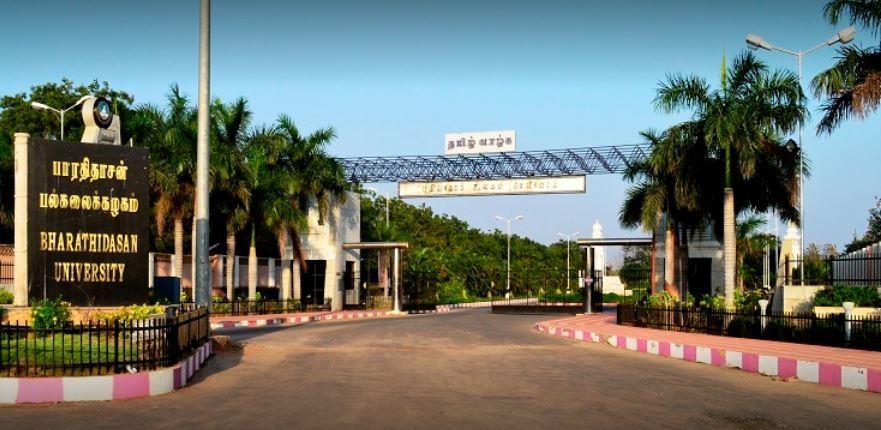
Ph.D. in Tamil from Bharathidasan University: Eligibility, Entrance Exam, Fee Structure, Admission Process, Subjects, Research Areas, Syllabus, Scholarship & Career Scope
Introduction about Ph.D. in Tamil at Bharathidasan University
Embarking on a doctoral journey in Tamil at Bharathidasan University opens a portal to profound scholarly exploration and cultural preservation. Recognised for its vibrant Tamil studies department, the university offers a research‑intensive environment that nurtures innovation, critical thinking, and linguistic excellence. Whether you aspire to become a leading academic, a literary critic, or a policy advisor in language planning, this Ph.D. programme equips you with the expertise to shape the future of Tamil scholarship.
Eligibility Criteria for Ph.D. in Tamil at Bharathidasan University
- A Master’s degree (M.A.) in Tamil or a related discipline with at least 55% aggregate marks (or equivalent CGPA) from a recognised university.
- Qualified in the University’s Ph.D. entrance examination or possess a valid National Eligibility Test (NET), SLET, or GATE score.
- Minimum of two years of professional teaching/research experience is preferred but not mandatory.
- For candidates with a direct Ph.D. eligibility (NET/SLET/GATE), the entrance exam may be waived.
Entrance Exam for Ph.D. in Tamil at Bharathidasan University
The entrance test evaluates candidates on:
- Core Tamil language proficiency – grammar, prose, poetry, and classical literature.
- Research methodology, critical analysis, and academic writing skills.
- General awareness of contemporary issues in Tamil studies and interdisciplinary links.
Preparation resources, mock tests, and past question papers are available on the university’s official portal. Those holding a valid NET/SLET/GATE qualification may submit the score certificate as a substitute for the entrance exam.
Fee Structure for Ph.D. in Tamil at Bharathidasan University
| Component | Annual Fee (INR) | Notes |
|---|---|---|
| Admission & Registration | 5,000 | One‑time payment at the time of enrolment. |
| Tuition & Lab Charges | 10,000 | Includes access to libraries, digital resources, and research labs. |
| Examination & Evaluation | 4,000 | Covering semester assessments and final dissertation evaluation. |
| Miscellaneous (Printing, Stationery) | 2,000 | Estimated annual cost. |
| Total Approx. | 21,000 | Subject to revision each academic year. |
Admission Process for Ph.D. in Tamil at Bharathidasan University
- Online Application: Submit the completed application form through the university’s e‑portal.
- Document Upload: Attach scanned copies of academic transcripts, NET/SLET/GATE scores (if applicable), and identity proof.
- Entrance Examination: Appear for the university‑conducted test unless exempted.
- Interview & Proposal Evaluation: Shortlisted candidates present their research proposal to a panel of experts.
- Final Admission: Receive the admission letter and pay the requisite fees.
For personalized guidance throughout this journey, consider professional assistance such as PhD Admission Assistance, which can streamline documentation and timeline management.
Ph.D. Subjects and Specializations in Tamil at Bharathidasan University
- Classical Tamil Literature and Epigraphy
- Modern Tamil Poetry and Prose
- Language Technology and Computational Tamil
- Sociolinguistics and Tamil Dialects
- Translation Studies and Comparative Linguistics
- Media, Film, and Cultural Studies in Tamil Context
Research Areas in Tamil at Bharathidasan University
Potential research domains include:
- Digital preservation of ancient manuscripts and palm‑leaf texts.
- Impact of globalization on Tamil linguistic identity.
- Development of Tamil OCR and speech‑recognition systems.
- Gender perspectives in Tamil literary traditions.
- Intersections of Tamil literature with environmental narratives.
Students seeking help with defining a focused topic can benefit from PhD Topic Selection and Proposal Assistance, which offers expert feedback and alignment with current scholarly trends.
Documents Required for Ph.D. in Tamil at Bharathidasan University
| Document | Details | Format |
|---|---|---|
| Application Form | Completed online form with personal and academic details. | |
| Mark Sheets & Certificates | Original and scanned copies of B.A., M.A., and any other relevant qualifications. | PDF/Scanned Image |
| NET/SLET/GATE Score Card | Valid for the last three years (if applicable). | |
| Research Proposal | 500–800 words outlining objectives, methodology, and expected contributions. | Word Document |
| Identity Proof | Aadhaar card, passport, or driver’s license. | Scanned Image |
| Experience Letters (optional) | For candidates with teaching/research experience. |
Bharathidasan University Ph.D. Syllabus for Tamil
The syllabus is structured across three phases:
- Coursework (Year 1–2): Advanced Tamil literature, research methodology, statistics for humanities, and elective modules such as “Tamil Computational Tools”.
- Comprehensive Examination (End of Year 2): Written and oral assessments covering core subjects and research design.
- Dissertation (Year 3–5): Original research, periodic progress reviews, and final defense before a certified panel.
How To Apply for Ph.D. in Tamil at Bharathidasan University
Follow these steps to submit a successful application:
- Visit the official university admissions portal and create a user account.
- Fill in personal, academic, and contact information accurately.
- Upload all required documents (as listed above) and pay the non‑refundable application fee.
- Schedule the entrance examination date and prepare using recommended reading lists.
- After clearing the exam, upload your research proposal and attend the interview.
- Upon acceptance, complete the registration formalities and commence your doctoral studies.
For flawless document preparation, consider availing Editing and Proofreading Services to ensure your proposal and statements are polished and error‑free.
Career Scope and Job Opportunities After Ph.D. in Tamil from Bharathidasan University
A doctorate in Tamil unlocks diverse pathways:
- Academia: Lecturer, Assistant Professor, Associate Professor, or Head of Department in universities and colleges.
- Research Institutions: Positions at language research centres, cultural archives, and NGOs focused on linguistic preservation.
- Publishing & Media: Editorial roles in Tamil journals, literary magazines, and digital content platforms.
- Government & Policy: Language policy analyst, cultural affairs officer, and roles within state language departments.
- Technology: Development of Tamil language software, localization projects, and AI‑driven linguistic tools.
Entrepreneurial ventures such as establishing a Tamil language consultancy or launching a digital publishing house are also viable, especially with a strong research background.
Scholarship for Ph.D. in Tamil at Bharathidasan University
Financial support options include:
- University Merit Scholarships: Awarded based on academic excellence (up to 50% tuition waiver).
- UGC/CSIR Junior Research Fellowships (JRF): National-level scholarships covering stipend and contingency grants.
- State Government Scholarships: Specific to Tamil Nadu residents pursuing language studies.
- External Grants: Funding from cultural foundations like the Tamil Nadu Literary Academy.
Students seeking comprehensive funding advice can explore Research Publication Support, which often includes guidance on grant applications and citation impact.
FAQs Regarding Ph.D. in Tamil at Bharathidasan University
- Q1: Can I pursue a Ph.D. in Tamil without clearing the entrance exam?
- A: Yes, if you hold a valid NET, SLET, or GATE qualification, you are exempted from the university entrance test.
- Q2: How long does the Ph.D. programme typically take?
- A: The duration ranges from 3 to 5 years, depending on research progress and dissertation submission.
- Q3: Is there a part‑time option for working professionals?
- A: The university primarily offers a full‑time programme, but certain research projects can be pursued on a part‑time basis with prior approval.
- Q4: What is the language of instruction?
- A: Coursework and seminars are conducted in Tamil, while the dissertation may be submitted in Tamil or








