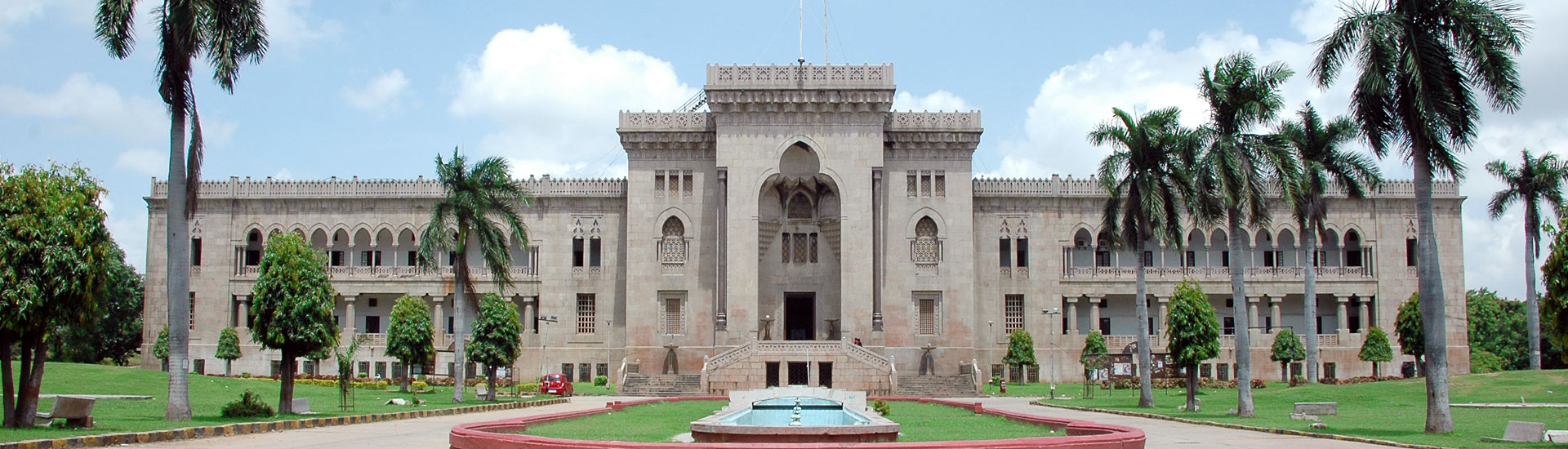
Ph.D. in Telugu from Osmania University: Eligibility, Entrance Exam, Fee Structure, Admission Process, Subjects, Research Areas, Syllabus, Scholarship & Career Scope
Introduction about Ph.D. in Telugu at Osmania University
Osmania University, a premier institution in Hyderabad, has been a beacon of linguistic research for decades. The Ph.D. in Telugu program is meticulously designed for scholars who aspire to deepen their expertise in Telugu language, literature, and cultural studies. With a vibrant academic community, state‑of‑the‑art research facilities, and a legacy of distinguished alumni, the program promises an inspiring journey from inquiry to innovation.
Eligibility Criteria for Ph.D. in Telugu at Osmania University
Prospective candidates must meet the following baseline requirements:
- A master’s degree (M.A.) in Telugu, Linguistics, Literature, or a related discipline with at least 55% marks (or 5.5 CGPA) from a recognized university.
- Alternatively, candidates holding a NET or UGC CSIR qualification in Telugu are exempt from the entrance test.
- For foreign nationals, a minimum of 60% marks in the qualifying degree is mandatory.
- Age limit: No upper age restriction; however, candidates should be able to complete the research within the stipulated tenure.
Entrance Exam for Ph.D. in Telugu at Osmania University
The university conducts a comprehensive entrance examination to assess candidates’ research aptitude and subject mastery. The exam typically comprises:
- Paper I – General Aptitude: Logical reasoning, quantitative ability, and English proficiency.
- Paper II – Subject Specific: Classical and modern Telugu literature, linguistic theory, and research methodology.
- Interview and presentation of a research proposal (if shortlisted).
Preparation resources, past question papers, and mock tests are regularly released on the university’s official portal.
Fee Structure for Ph.D. in Telugu at Osmania University
| Category | Annual Fee (INR) | Notes |
|---|---|---|
| Admission/Registration Fee | 2,500 | One‑time payment at the time of enrollment. |
| Tuition & Laboratory Charges | 7,000 | Includes access to libraries, digital archives, and language labs. |
| Examination & Evaluation Fee | 1,500 | Charged per semester for internal assessments. |
| Research Guidance & Publication Support | 3,000 | Covers workshops, conference participation, and journal submissions. |
| Total Approximate Annual Cost | 14,000 | Subject to periodic revision by the university. |
Admission Process for Ph.D. in Telugu at Osmania University
- Online Application: Register on the university’s admissions portal, fill in personal and academic details, and upload scanned documents.
- Submission of Research Proposal: A concise 2,000‑word proposal outlining objectives, literature review, methodology, and expected contributions.
- Entrance Examination: Appear for the two‑paper test; eligible candidates receive a call‑letter for the interview.
- Interview & Proposal Defense: An academic panel evaluates the research proposal and assesses the candidate’s suitability.
- Final Admission & Enrollment: Successful candidates receive an admission letter, pay the registration fee, and commence their research.
Ph.D. Subjects and Specializations in Telugu at Osmania University
The program offers a spectrum of specializations to cater to diverse scholarly interests:
- Classical Telugu Poetry and Prose
- Modern Telugu Literature and Criticism
- Applied Linguistics and Language Planning
- Folklore, Oral Traditions, and Cultural Anthropology
- Digital Humanities and Corpus Linguistics
- Translation Studies and Comparative Literature
Research Areas in Telugu at Osmania University
Faculty members guide research across cutting‑edge domains, including:
- Historical evolution of Telugu epics and their sociopolitical impact.
- Dialectology and regional linguistic variations.
- Gender studies in Telugu literary narratives.
- Computational analysis of Telugu texts using AI and NLP tools.
- Preservation of endangered oral traditions and folk songs.
- Interdisciplinary studies linking Telugu literature with visual arts and performance.
Documents Required for Ph.D. in Telugu at Osmania University
| Document | Details | Format |
|---|---|---|
| Academic Transcripts | Marksheets of all postgraduate exams | PDF (Scanned) |
| Degree Certificate | Original and verified copy of M.A. degree | PDF (Scanned) |
| Research Proposal | 2,000‑word document with objectives and methodology | DOCX or PDF |
| Identity Proof | Aadhaar Card / Passport | PDF (Scanned) |
| NET/CSIR Scorecard (if applicable) | Valid score for exemption | PDF (Scanned) |
Osmania University Ph.D. Syllabus for Telugu
The syllabus is strategically segmented into core modules and research components:
- Foundations of Telugu Language – Phonetics, Morphology, Syntax.
- Literary History and Theory – Classical to contemporary movements.
- Research Methodology – Qualitative, quantitative, and mixed methods.
- Advanced Topics – Digital humanities, translation theory, comparative studies.
- Thesis Work – Original research, data collection, analysis, and defense.
How To Apply for Ph.D. in Telugu at Osmania University
Follow these decisive steps to submit a successful application:
- Visit the official Osmania University admissions portal and create a new user account.
- Complete the online application form, ensuring accurate personal and academic information.
- Upload all required documents (transcripts, degree certificate, identity proof, research proposal).
- Pay the non‑refundable registration fee via the integrated payment gateway.
- Monitor your email for the entrance exam schedule and further instructions.
Career Scope and Job Opportunities After Ph.D. in Telugu from Osmania University
A doctorate in Telugu unlocks a variety of rewarding career paths:
- Academia: Lecturer, Assistant Professor, Associate Professor, or Department Head in universities and colleges.
- Research Institutes: Positions with language research centers, cultural archives, and think‑tanks.
- Publishing & Media: Editorial roles, literary criticism, content development for regional media houses.
- Government Services: Linguistic consultant for ministries, cultural preservation departments, and language policy units.
- Digital & Tech: NLP specialist, corpus analyst, or AI trainer for Telugu language applications.
- Consultancy & NGOs: Projects focused on language revitalization, education, and community outreach.
Scholarship for Ph.D. in Telugu at Osmania University
Several funding avenues are available to deserving candidates:
- University Fellowships: Merit‑based scholarships covering tuition and a monthly stipend.
- UGC Junior Research Fellowship (JRF): National award providing a generous stipend and research grant.
- State Government Scholarships: Reserved for candidates from under‑represented regions of Telangana and Andhra Pradesh.
- External Grants: Opportunities from cultural foundations, literary trusts, and corporate CSR initiatives.
FAQs Regarding Ph.D. in Telugu at Osmania University
- Q: Can I apply without appearing for the entrance exam if I have a NET qualification?
- A: Yes. A valid NET or UGC CSIR score in Telugu exempts you from the university’s entrance test.
- Q: What is the typical duration to complete the Ph.D.?
- A: The program is designed for a 3‑5 year completion period, subject to satisfactory progress reports.
- Q: Are part‑time Ph.D. options available for working professionals?
- A: Osmania University offers a part‑time mode with flexible submission deadlines, allowing professionals to balance work and research.
- Q: How many publications are required before thesis submission?
- A: At least two peer‑reviewed journal articles or conference papers are expected as part of the final evaluation.
- Q: Is there a provision for foreign scholars?
- A: Yes. International candidates can apply under the same criteria, with additional language proficiency requirements if needed.
For additional assistance with your Ph.D. journey, explore our specialized services:








