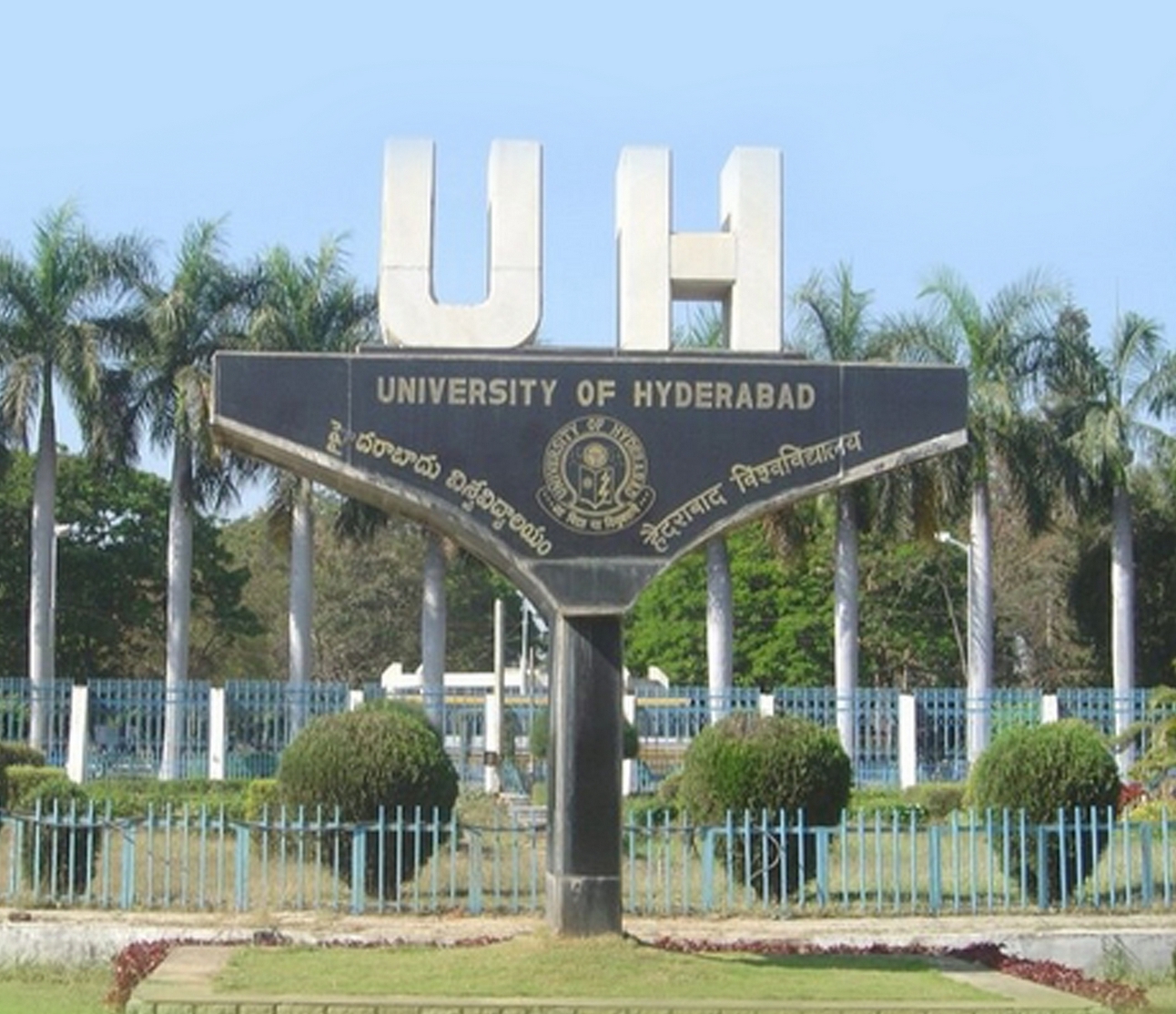
Ph.D. in Telugu – University of Hyderabad
Introduction about Ph.D. in Telugu at University of Hyderabad
The Ph.D. in Telugu offered by the University of Hyderabad stands as a pinnacle for scholars aiming to delve deep into Telugu language, literature, and cultural studies. Nestled in the heart of Telangana, the university provides a vibrant research environment backed by seasoned academicians, state‑of‑the‑art facilities, and a legacy of interdisciplinary collaboration. This doctoral program not only nurtures academic excellence but also equips professionals with the analytical tools required to influence policy, education, media, and cultural preservation initiatives across India and beyond.
Prospective candidates will discover a curriculum that blends classical literary criticism with contemporary linguistic research, digital humanities, and socio‑cultural analysis. Whether you aspire to become a university professor, a research consultant, or a cultural strategist, the University of Hyderabad’s Ph.D. in Telugu offers a robust platform to transform passion into scholarly impact.
Eligibility Criteria for Ph.D. in Telugu at University of Hyderabad
- Master’s degree (M.A.) in Telugu or a related discipline with a minimum of 55% aggregate (50% for SC/ST/OBC).
- Eligibility through a national or university‑level entrance test (UHSLET) or by direct interview based on research proposal.
- Candidates holding a Ph.D. in another discipline may apply for a second doctorate if they meet the academic standards.
- Age limit: No upper age restriction, though candidates should demonstrate the capacity to complete the program within 3–5 years.
Applicants are encouraged to consult the official University of Hyderabad website for the latest eligibility updates and reservation policies.
Entrance Exam for Ph.D. in Telugu at University of Hyderabad
The University of Hyderabad conducts the UHSLET (University of Hyderabad Subject‑Specific Language Entrance Test). The exam evaluates:
- Comprehension and interpretation of classical Telugu texts.
- Critical analysis of contemporary literary works.
- Research methodology and proposal writing skills.
- General aptitude related to language studies.
Preparation resources such as past papers, model questions, and recommended reading lists are available on the UHSLET portal. Successful candidates receive a call for an interview where the research proposal is scrutinized.
Fee Structure for Ph.D. in Telugu at University of Hyderabad
| Category | Annual Fee (INR) | Notes |
|---|---|---|
| General/OBC (Non‑reserved) | 15,000 | Includes tuition, library, and lab access |
| SC/ST/PWD | 7,500 | Reduced fee as per university policy |
| Scholarship Holders | 0 (Waived) | Full tuition waiver under UGC/UGC‑CSC scholarships |
Additional costs such as conference travel, fieldwork, and publication fees are borne by the student unless covered by research grants.
Admission Process for Ph.D. in Telugu at University of Hyderabad
- Online Application: Submit the application through the university’s online portal before the stipulated deadline.
- Upload Documents: Upload scanned copies of academic transcripts, ID proof, and passport‑size photograph.
- Entrance Test: Register and appear for UHSLET. Score above the cut‑off qualifies for the interview stage.
- Interview & Proposal Review: Present a detailed research proposal to the Departmental Committee. Feedback may be requested for refinement.
- Admission Offer: Receive an admission letter with fee details and registration instructions.
- Enrollment: Pay the fee, obtain a university ID, and enroll for the first semester.
Throughout the process, candidates can seek personalized assistance through our PhD Admission Assistance service.
Ph.D. Subjects and Specializations in Telugu at University of Hyderabad
The doctoral program offers a range of specializations, allowing scholars to tailor their research to specific interests:
- Classical Telugu Literature (Bhakti, Nayaka, and Early Poetry)
- Modern Telugu Fiction and Drama
- Comparative Linguistics – Telugu and Other Dravidian Languages
- Digital Humanities – Textual Digitization & Corpus Linguistics
- Folklore, Oral Traditions, and Cultural Anthropology
- Language Policy, Translation Studies, and Media Communication
Research Areas in Telugu at University of Hyderabad
Faculty expertise spans a broad spectrum of research domains, encouraging interdisciplinary projects:
- Historical evolution of Telugu poetics
- Gender studies in Telugu literature
- Computational analysis of Telugu syntax
- Preservation of endangered dialects and tribal languages
- Impact of globalization on Telugu media narratives
- Education policy and Telugu language instruction
Students can also avail Research Publication Support to disseminate their findings in reputed journals.
Documents Required for Ph.D. in Telugu at University of Hyderabad
| Document | Details |
|---|---|
| Academic Transcripts | Original & attested copies of MSc/M.A. marksheets |
| Research Proposal | 2,500‑word proposal with objectives, methodology, and bibliography |
| Identity Proof | Aadhaar card, passport or voter ID |
| Entrance Test Scorecard | UHSLET score (if applicable) |
| Photographs | Recent passport‑size (3 copies) |
To ensure a smooth submission, consider using our Editing and Proofreading Services for polishing your proposal and documents.
University of Hyderabad Ph.D. Syllabus for Telugu
The syllabus is designed to balance coursework, comprehensive exams, and research milestones:
- Year 1 – Core Modules: Advanced Telugu Grammar, Literary Theory, Research Methodology, and Elective Seminars.
- Year 2 – Comprehensive Examination: Written and oral exams covering core subjects and specialization topics.
- Year 2‑3 – Dissertation Phase: Proposal refinement, data collection, analysis, and draft chapters.
- Year 4 – Thesis Submission & Defense: Final manuscript, viva voce, and publication of research articles.
How To Apply for Ph.D. in Telugu at University of Hyderabad
Follow these step‑by‑step instructions to submit a successful application:
- Visit the official admissions portal and create a user account.
- Select “Ph.D. – Telugu” from the list of programs.
- Complete the online form with personal details, academic history, and contact information.
- Upload the required documents (see “Documents Required” section).
- Pay the provisional application fee via net banking or credit card.
- Submit the application and note the reference number for future correspondence.
- Prepare for UHSLET; register separately if you have not qualified through a national exam.
- After clearing the entrance test, schedule your interview through the portal.
Need help refining your research proposal? Our PhD Topic Selection and Proposal Assistance team is ready to guide you.
Career Scope and Job Opportunities After Ph.D. in Telugu from University of Hyderabad
Graduates enjoy a wide array of career pathways, including:
- University lecturer or professor in Telugu language and literature.
- Research fellowships at national & international institutes (e.g., CSIR, ICHR).
- Content strategist, editor, or translator for media houses and publishing firms.
- Cultural policy analyst for governmental and non‑governmental organizations.
- Digital archivist or corpus linguist for tech companies focusing on Indian language processing.
- Consultant for curriculum development and language preservation projects.
Moreover, the interdisciplinary nature of the program opens doors to collaborations in sociolinguistics, anthropology, and information technology.
Scholarship for Ph.D. in Telugu at University of Hyderabad
Several funding options are available to eligible candidates:
- UGC‑CSIR Junior Research Fellowship (JRF): Covers tuition, stipend, and








