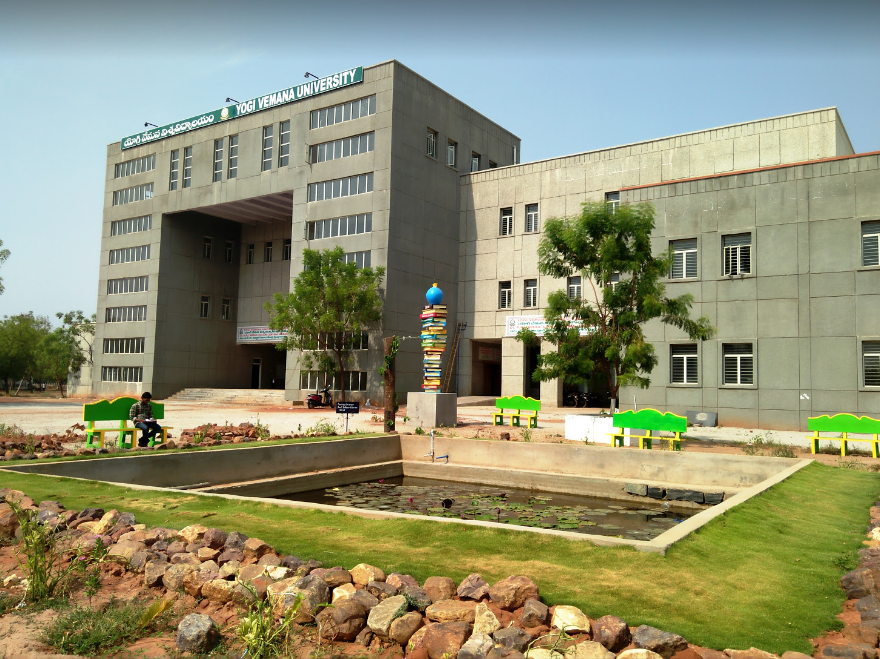
Ph.D. in Telugu from Yogi Vemana University: A Gateway to Academic Excellence
Introduction about Ph.D. in Telugu at Yogi Vemana University
Embarking on a journey to pursue a Ph.D. in Telugu at Yogi Vemana University is more than just an academic endeavor; it is a profound commitment to preserving and evolving one of India?s most classical languages. As a premier institution, Yogi Vemana University provides a research-centric environment that encourages scholars to delve deep into the nuances of Telugu literature, linguistics, and cultural history. Whether you are aiming to contribute to literary criticism or sociolinguistics, this program offers the rigorous framework necessary for high-level intellectual contributions. To ensure your doctoral journey is seamless, you may explore professional Thesis and Dissertation Writing Services to help structure your complex research findings effectively.
Ph.D Admission 2026-2027 & Writing Support Services by Shiksha Research
Eligibility Criteria for Ph.D. in Telugu at Yogi Vemana University
To qualify for the Ph.D. program, candidates must hold a Master?s degree in Telugu or a related discipline with at least 55% aggregate marks (or an equivalent grade). Candidates belonging to SC/ST/OBC (non-creamy layer) and differently-abled categories are eligible for a 5% relaxation in marks, as per UGC guidelines. Proficiency in academic writing and a strong foundation in literary theory are essential for success in this research-intensive course.
Entrance Exam for Ph.D. in Telugu at Yogi Vemana University
Admission is primarily determined through the YVURET (Yogi Vemana University Research Entrance Test). The exam tests the candidate's research aptitude, analytical reasoning, and depth of knowledge in Telugu literature and grammar. Candidates who have qualified for UGC-NET (including JRF), CSIR-NET, SLET, or M.Phil. degrees are often exempted from the written entrance examination, though they may be required to appear for an interview.
Fee Structure for Ph.D. in Telugu at Yogi Vemana University
The fee structure is designed to be affordable for researchers across various socioeconomic backgrounds. Below is a detailed breakdown of the typical costs associated with the program.
| Category | Estimated Annual Fee (INR) |
|---|---|
| Application Fee | 1,500 - 2,000 |
| Tuition Fee (Annual) | 15,000 - 25,000 |
| Library & Lab Charges | 5,000 |
| Thesis Submission Fee | 10,000 |
Admission Process for Ph.D. in Telugu at Yogi Vemana University
The admission process involves multiple stages: notification release, online application, entrance examination, and a personal interview/presentation of a research proposal. During the interview, potential supervisors evaluate the candidate's clarity of thought and the feasibility of their proposed research topic. If you need assistance in interpreting your findings, our Research Data Analysis Services provide the technical support required to handle qualitative or quantitative research data.
Ph.D. Subjects and Specializations in Telugu at Yogi Vemana University
The curriculum covers a wide spectrum, including Classical Telugu Literature, Modern Poetry, Drama, Literary Criticism, Folk Studies, and Comparative Literature. Specialized focus areas allow candidates to narrow their scope to niche topics such as feminist perspectives in Telugu literature or the influence of classical Sanskrit on Telugu linguistic structures.
Research Areas in Telugu at Yogi Vemana University
Yogi Vemana University encourages research that bridges the gap between historical linguistics and contemporary societal issues. Key research areas include:
- Evolution of Telugu dialects.
- Gender and caste representation in modern Telugu novels.
- Digital transformation of Telugu literature.
- Preservation of ancient literary manuscripts.
Documents Required for Ph.D. in Telugu at Yogi Vemana University
Applicants must organize their documents well in advance. Common requirements include: Master?s degree marks memos, Caste certificate (if applicable), Proof of identity (Aadhar), Migration certificate, and a detailed Research Proposal. For those conducting field studies, professional Questionnaire Design and Development is crucial for gathering primary data.
Yogi Vemana University Ph.D. Syllabus for Telugu
The syllabus is bifurcated into two parts: Coursework and Thesis Writing. The coursework includes Research Methodology, Advanced Literary Theory, and specific elective subjects. The remaining period is dedicated to extensive reading, field visits, and drafting the thesis. For those struggling with the manuscript phase, our Research Paper Writing Services are designed to help you publish your findings in reputable journals.
How To Apply for Ph.D. in Telugu at Yogi Vemana University
Candidates must visit the official university portal, fill out the application form, upload scanned copies of necessary credentials, and pay the application fee online. Keeping track of the university's academic calendar is essential to ensure you do not miss deadlines for entrance registration.
Career Scope and Job Opportunities After Ph.D. in Telugu from Yogi Vemana University
Holding a Ph.D. opens doors to prestigious academic positions as Assistant Professors, researchers in linguistic institutes, literary editors for publishing houses, and content developers for digital archives. Graduates can also pursue careers in journalism, cultural administration, and translation services, making a significant impact on the literary world.
Scholarship for Ph.D. in Telugu at Yogi Vemana University
Eligible full-time scholars can avail of various government scholarships, including the Maulana Azad National Fellowship (MANF) or the UGC-JRF scholarship. The university also supports meritorious students through internal grants and research fellowships to ensure financial constraints do not hinder intellectual pursuit.
FAQs Regarding Ph.D. in Telugu at Yogi Vemana University
Q: Is there an age limit for the Ph.D. program?
A: No, there is no upper age limit for pursuing a Ph.D. at the university.
Q: Can I pursue a Ph.D. in part-time mode?
A: Part-time options are subject to university policy and the availability of supervisors; it is advised to check the latest brochure.
Q: How long does it usually take to complete the Ph.D.?
A: The minimum duration is usually three years, with a maximum limit defined by UGC regulations.








