.jpg)






B.Sc. Horticulture is an undergraduate 3 year agricultural science and technology curriculum. It focuses on the science of growing plants for food, beauty, and environmental reasons. This degree blends technical understanding with a love of plant aesthetics. It focuses on the sustainable cultivation of fruits, vegetables, flowers, herbs, and ornamental plants. The program aims to provide students with a thorough understanding of plant biology, cultivation practices, and crop production technologies.
Birsa Agricultural University

B.Sc in Agriculture
B.Sc in Agriculture, where we bridge the gap between formal education and practical skills acquisition...
M.Sc. in Horticulture
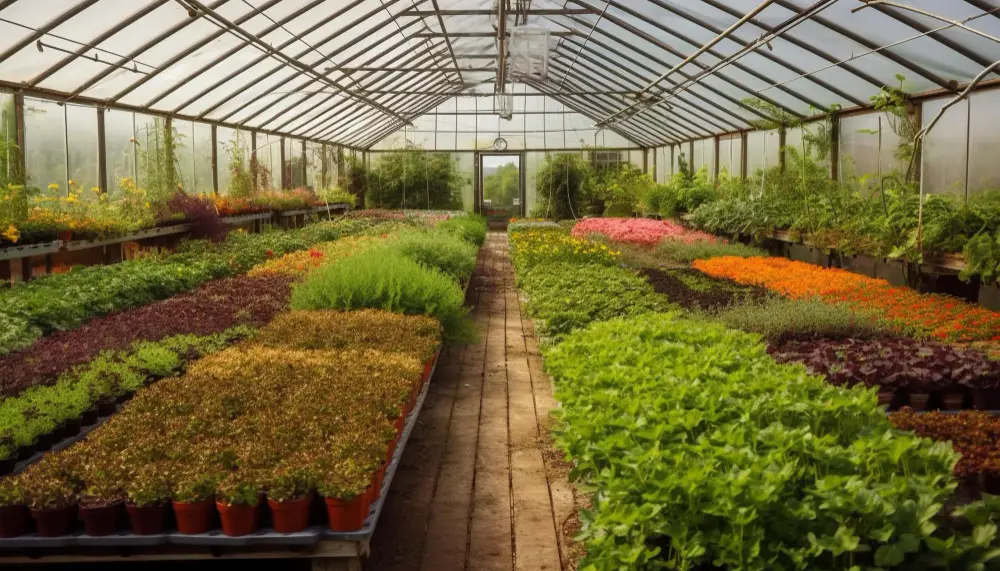
An M.Sc. in Horticulture is a 2-year advanced degree program that dives deep into the science of growing and managing fruits, vegetables, flowers, and ornamental plants. Students learn about plant...
M.Sc. in Horticulture
×An M.Sc. in Horticulture is a 2-year advanced degree program that dives deep into the science of growing and managing fruits, vegetables, flowers, and ornamental plants. Students learn about plant breeding, pest management, sustainable farming practices, and the latest technologies in crop production. The course combines classroom learning with hands-on experience in gardens and greenhouses. This advanced degree equips students with in-depth knowledge and practical skills to contribute to the evolving field of horticulture, addressing challenges like food security, climate change adaptation, and sustainable agriculture.
M.Sc. in Agricultural Economics
M.Sc. in Agricultural Economics normally lasts 1.5 to 2 years and thoroughly explains economic principles relevant to agriculture and rural development. The curriculum uses economic theory, quantit...
M.Sc. in Agricultural Economics
×M.Sc. in Agricultural Economics normally lasts 1.5 to 2 years and thoroughly explains economic principles relevant to agriculture and rural development. The curriculum uses economic theory, quantitative methodologies, and policy analysis to solve issues in food production, resource management, and rural economies. Students get the knowledge of agricultural policy, environmental economics, farm management, and international trade. The program frequently includes research methodologies, statistical analysis, and econometrics to prepare graduates for data-driven decision-making. This degree prepares students for employment in agricultural policy, agribusiness management, rural development, research institutes, and advanced scholarly pursuits in agricultural and resource economics.
M.Sc. in Agronomy
M.Sc. in Agronomy is a 2-year postgraduate program that studies agricultural production science and technology, as well as soil management. This advanced degree provides students with a thorough un...
M.Sc. in Agronomy
×M.Sc. in Agronomy is a 2-year postgraduate program that studies agricultural production science and technology, as well as soil management. This advanced degree provides students with a thorough understanding of plant genetics, soil science, crop physiology, and sustainable agriculture techniques. Advanced plant breeding, precision agriculture, pest management, and agricultural biotechnology are common topics included in the curriculum. Students also participate in research projects and fieldwork, bringing theoretical concepts to real-world agricultural problems. This degree prepares graduates for employment in agricultural research, crop consulting, farm management, or positions in government agencies and international organizations concerned with food security and sustainable agriculture.
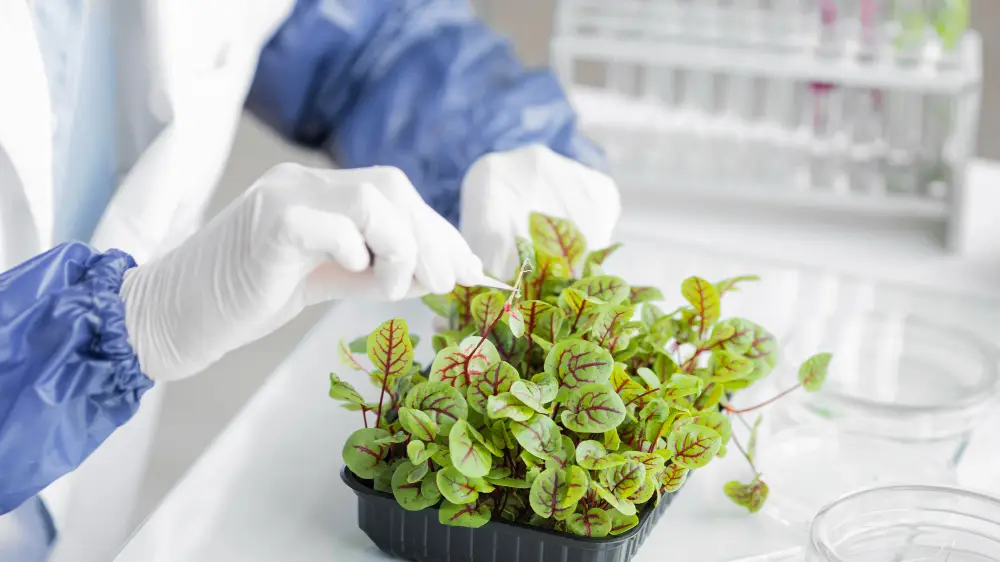
M.Sc. in Genetics & Plant Breeding
M.Sc. in Genetics & Plant Breeding is a 2-year postgraduate degree that integrates genetics research with hands-on plant breeding experience. This multidisciplinary course focuses on understand...
M.Sc. in Genetics & Plant Breeding
×M.Sc. in Genetics & Plant Breeding is a 2-year postgraduate degree that integrates genetics research with hands-on plant breeding experience. This multidisciplinary course focuses on understanding the genetic basis of plant features and applying that knowledge to create improved crop varieties. Students get knowledge of classical and molecular genetics, cytogenetics, biotechnology, and statistical methods in plant breeding. The curriculum frequently covers topics such as genetics, bioinformatics, crop improvement tactics, and plant pathology. Practical training entails fieldwork, laboratory experimentation, and research projects. Graduates are prepared to work in agricultural research institutions, seed corporations, and biotechnology firms, or further their education in plant science and agriculture.
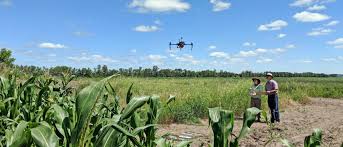
M.Sc. in Soil Science
M.Sc. in Soil Science is normally a 2-year postgraduate program focused on soil as a natural resource. The curriculum includes topics like soil physics, soil chemistry, soil biology, soil fertility...
M.Sc. in Soil Science
×M.Sc. in Soil Science is normally a 2-year postgraduate program focused on soil as a natural resource. The curriculum includes topics like soil physics, soil chemistry, soil biology, soil fertility, and soil conservation. Students study soil formation processes, categorization systems, and the importance of soil in ecosystems and agriculture. The program frequently involves laboratory work, outdoor studies, and research projects. Graduates are prepared for positions in environmental consulting, agricultural management, land use planning, and advanced academic studies. Some universities may provide specialized tracks or the opportunity to complete the degree in 18 months through an accelerated plan.
M.Sc. in Plant Pathology
M.Sc. in Plant Pathology is normally a 2-year postgraduate course that studies plant diseases, their causes, and management measures. The curriculum includes topics including fungal, bacterial, and...
M.Sc. in Plant Pathology
×M.Sc. in Plant Pathology is normally a 2-year postgraduate course that studies plant diseases, their causes, and management measures. The curriculum includes topics including fungal, bacterial, and viral plant pathogens, disease diagnosis, epidemiology, and integrated pest control. Students get knowledge about plant diseases through coursework, laboratory sessions, and field studies. The program frequently incorporates research components, allowing students to contribute to the field with thesis work or projects. Graduates are equipped to work in agriculture, research institutions, and government agencies, or pursue additional academic studies in plant health and protection.
B.Sc. in Genetics & Plant Breeding
Bachelor of Science (B.Sc.) in Genetics & Plant Breeding is a 3-4 year undergraduate curriculum that blends genetics research with agricultural applications. This interdisciplinary course will...
B.Sc. in Genetics & Plant Breeding
×Bachelor of Science (B.Sc.) in Genetics & Plant Breeding is a 3-4 year undergraduate curriculum that blends genetics research with agricultural applications. This interdisciplinary course will instruct you regarding the basics of heredity, gene expression, and molecular biology, as well as crop enhancement approaches. Students study about plant physiology, biotechnology, and breeding techniques for creating high-yielding, disease-resistant, and climate-adaptive crop types. The curriculum frequently involves lab work, outdoor investigations, and research projects. Graduates have opportunities to work in agricultural research, seed production, biotechnology companies, or advanced studies in plant science. This degree is critical for tackling global food security issues and promoting sustainable agricultural practices.
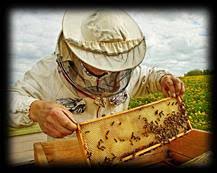
B.Sc. in Entomology & Apiculture
B.Sc. in Entomology & Apiculture is normally a 3-4 year undergraduate curriculum that explores the fascinating world of insects and beekeeping. This comprehensive course combines theoreti...
B.Sc. in Entomology & Apiculture
×B.Sc. in Entomology & Apiculture is normally a 3-4 year undergraduate curriculum that explores the fascinating world of insects and beekeeping. This comprehensive course combines theoretical knowledge with hands-on practice, covering themes such as insect biology, taxonomy, ecology, pest management, and beekeeping. Students acquire about both general entomology and specialized apiculture practices, such as honey production, pollination ecology, and bee health. The curriculum frequently includes laboratory work, field studies, and research projects, giving students hands-on exposure to diverse insect species and beekeeping techniques. Graduates are well-prepared for professions in agriculture, pest control, conservation, research, or commercial beekeeping, with chances to contribute to food security, environmental sustainability, and scientific advancements in entomology.
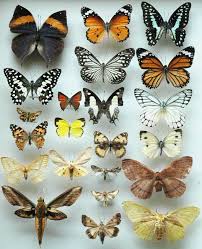
M.Sc. in Entomology & Apiculture
M.Sc. in Entomology & Apiculture is a 2-year postgraduate program that focuses on the fascinating world of insects and beekeeping. This multidisciplinary course integrates theoretical knowledge...
M.Sc. in Entomology & Apiculture
×M.Sc. in Entomology & Apiculture is a 2-year postgraduate program that focuses on the fascinating world of insects and beekeeping. This multidisciplinary course integrates theoretical knowledge with practical applications in insect biology, ecology, pest control, and honeybee biology. Students participate in fieldwork, laboratory research, and apiary management to acquire hands-on experience in both entomology and apiculture. Insect taxonomy, physiology, behavior, pollination ecology, and beekeeping techniques are common topics included in the curriculum. Graduates are proficient for positions in agricultural research, pest control, conservation, honey production, and advanced academic studies. This degree integrates scientific rigor with practical skills, preparing students to tackle key issues in agriculture, ecology, and food security.
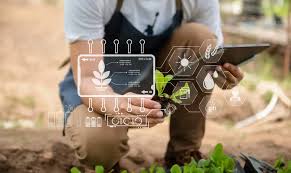
M.Sc. in Agriculture Extension
M.Sc. in Agricultural Extension is a 2-year postgraduate program focusing on improving agricultural practices, rural development, and communication with farming communities. This program covers sub...
M.Sc. in Agriculture Extension
×M.Sc. in Agricultural Extension is a 2-year postgraduate program focusing on improving agricultural practices, rural development, and communication with farming communities. This program covers subjects such as agricultural policy, rural sociology, extension methodologies, communication strategies, and sustainable farming practices. Graduates are trained to be effective educators and facilitators, guiding farmers in adopting innovative agricultural techniques to improve productivity and sustainability. This degree prepares students for careers in government agencies, NGOs, research institutions, and agricultural consultancies, where they can contribute to rural upliftment and agricultural advancement.
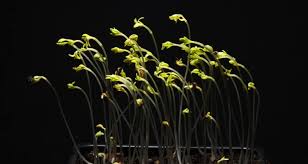
M.Sc. in Plant Physiology
Master of Science (M.Sc.) in Plant Physiology typically spans 2 years and focuses on the biological processes and functions of plants. The curriculum includes advanced studies in plant b...
M.Sc. in Plant Physiology
×Master of Science (M.Sc.) in Plant Physiology typically spans 2 years and focuses on the biological processes and functions of plants. The curriculum includes advanced studies in plant biology, including topics such as photosynthesis, respiration, water relations, nutrient uptake, and plant growth regulation. Students engage in both theoretical learning and practical laboratory work, conducting experiments to understand plant responses to environmental factors. The program also emphasizes research methodologies, enabling students to undertake a thesis or project that contributes to the field. Graduates are prepared for careers in agriculture, horticulture, environmental science, and research institutions.
M.Sc. in Agricultural Statistics
M.Sc. in Agricultural Statistics is a 2-year postgraduate degree program that teaches students advanced statistical theory and its applications in agriculture and other fields. Topics covered...
M.Sc. in Agricultural Statistics
×M.Sc. in Agricultural Statistics is a 2-year postgraduate degree program that teaches students advanced statistical theory and its applications in agriculture and other fields. Topics covered in the program include probability, statistical inference, regression analysis, and statistical software application. The curriculum seeks to prepare students to solve difficult data analysis challenges in fields such as healthcare, finance, and engineering. M.Sc. in Agricultural Statistics is intended to educate students for employment as agricultural or survey statisticians, mathematical statisticians, data scientists, and other positions that need knowledge of statistical analysis and its application to real-world situations.
Diploma in Food Technology
A Diploma in Food Technology is a comprehensive program typically lasting 2-3 years, designed to equip students with practical skills and knowledge in food processing, preservation, and quality con...
Diploma in Food Technology
×A Diploma in Food Technology is a comprehensive program typically lasting 2-3 years, designed to equip students with practical skills and knowledge in food processing, preservation, and quality control. The curriculum covers subjects such as food chemistry, microbiology, nutrition, packaging, and food safety regulations. Students learn about various food production techniques, product development, and the use of modern technology in the food industry. The program often includes laboratory work and industry internships, providing practical experience. Graduates are prepared for careers in food manufacturing, quality assurance, research and development, or food safety inspection. This diploma serves as a foundation for further studies in food science or entry into the rapidly growing food technology sector.
Diploma in Food Processing
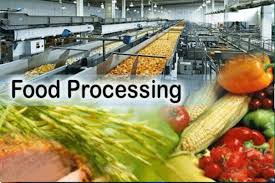
The Diploma in Food Processing is a comprehensive course that typically spans 1 - 2 years, depending on the institution. This program offers specialized training in the food processing industr...
Diploma in Food Processing
×The Diploma in Food Processing is a comprehensive course that typically spans 1 - 2 years, depending on the institution. This program offers specialized training in the food processing industry, focusing on modern techniques of food preservation, packaging, quality control, and safety standards. Students learn about food microbiology, food chemistry, and the management of food processing plants. The course also covers aspects of nutrition, product development, and sustainability in food production. Graduates are equipped with the skills required to work in various sectors, including food manufacturing, quality assurance, and R&D. The diploma opens opportunities for employment in both government and private sectors, providing essential knowledge for anyone looking to pursue a career in the growing food industry.
B.Sc. Hons. in Forestry
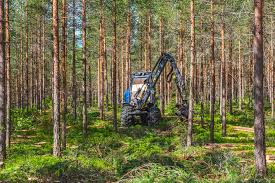
Bachelor of Science Honours in Forestry is a 4-year undergraduate degree that focuses on the sustainable management and conservation of forests and natural resources. This multidisciplinary c...
B.Sc. Hons. in Forestry
×Bachelor of Science Honours in Forestry is a 4-year undergraduate degree that focuses on the sustainable management and conservation of forests and natural resources. This multidisciplinary course focuses on forest ecology, wildlife conservation, agroforestry, forest economics, and climate change mitigation. Fieldwork, internships, and research projects provide students with practical skills that will prepare them for careers in forestry services, environmental consulting, and conservation groups. The program focuses on biodiversity protection, sustainable development, and contemporary forestry methods. Graduates can work in government, non-governmental organizations, and the business sector, or they can further their education in environmental sciences, forestry, or other relevant fields

M.Sc. in Forestry
Master of Science (M.Sc.) in Forestry is a postgraduate program focused on forest management, conservation, and sustainable use of forest resources. Typically spanning 2 years, the course equips st...
M.Sc. in Forestry
×Master of Science (M.Sc.) in Forestry is a postgraduate program focused on forest management, conservation, and sustainable use of forest resources. Typically spanning 2 years, the course equips students with advanced knowledge in silviculture, forest ecology, climate change impact, and biodiversity conservation. It includes theoretical learning, practical fieldwork, and research, enabling students to address global environmental challenges. Graduates can pursue careers in forestry management, environmental consultancy, wildlife conservation, or academic research. Eligibility usually requires a bachelor's degree in forestry, agriculture, or a related field. The program fosters critical thinking and technical skills to promote sustainable natural resource management.
B.Sc. in Soil Science
B.Sc. in Soil Science is an undergraduate program that typically spans 3-4 years, depending on the university and country. This course focuses on the study of soil properties, fertility, and conser...
B.Sc. in Soil Science
×B.Sc. in Soil Science is an undergraduate program that typically spans 3-4 years, depending on the university and country. This course focuses on the study of soil properties, fertility, and conservation, along with the impact of soil on agriculture, environment, and ecosystem management. Students gain practical knowledge through laboratory work, field studies, and research projects, covering subjects like soil chemistry, microbiology, soil management, and sustainable agricultural practices. Graduates of this program are equipped to work in various sectors, including agriculture, environmental consultancy, government agencies, and research institutions. The course prepares students for roles in soil conservation, land management, and agricultural development, playing a crucial part in ensuring sustainable food production and environmental protection.
B.Sc. in Agricultural Economics
B.Sc. in Agricultural Economics is an undergraduate program that typically spans 3-4 years. This course equips students with the knowledge and skills to analyze economic problems a...
B.Sc. in Agricultural Economics
×B.Sc. in Agricultural Economics is an undergraduate program that typically spans 3-4 years. This course equips students with the knowledge and skills to analyze economic problems and policies related to agriculture, rural development, and natural resource management. It covers subjects such as agricultural production, rural economics, agricultural policy, econometrics, agricultural finance, and market analysis. Students will learn how economic principles apply to farming, food production, and land use, preparing them for roles in government, private sectors, research institutions, and NGOs. The course also emphasizes quantitative analysis, problem-solving, and critical thinking, ensuring graduates are well-prepared to address global agricultural challenges and contribute to sustainable development in the sector.
B.Sc. in Agricultural Extension
B.Sc. in Agricultural Extension is a 4-year undergraduate program designed to equip students with knowledge and skills in agricultural practices, rural development, and communication strategi...
B.Sc. in Agricultural Extension
×B.Sc. in Agricultural Extension is a 4-year undergraduate program designed to equip students with knowledge and skills in agricultural practices, rural development, and communication strategies. The course focuses on agricultural technologies, extension services, community development, and the role of communication in promoting sustainable farming practices. Students learn about crop production, livestock management, soil science, and the use of technology to improve farming efficiency. The program also includes practical training through fieldwork and internships to enhance real-world experience. Graduates of this course are prepared for roles in agricultural extension services, government agencies, NGOs, and private sector companies, working to promote agricultural development and improve the livelihoods of rural communities.
B.Sc. in Agricultural Meteorology
B.Sc. in Agricultural Meteorology is a specialized undergraduate program that focuses on the application of meteorological principles to agriculture. The course typically spans 3-4 years...
B.Sc. in Agricultural Meteorology
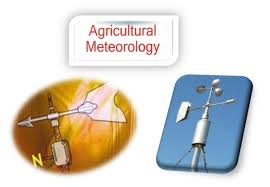
×B.Sc. in Agricultural Meteorology is a specialized undergraduate program that focuses on the application of meteorological principles to agriculture. The course typically spans 3-4 years, depending on the institution. Students learn about climate patterns, weather forecasting, agricultural modeling, and how environmental conditions influence crop production, pest management, and water resources. The curriculum includes subjects like atmospheric sciences, soil science, environmental monitoring, and crop physiology, along with practical fieldwork. Graduates of this program are equipped to analyze weather data, predict climate impacts, and assist farmers in optimizing crop yields. This degree opens career opportunities in agricultural research, environmental consultancy, meteorological agencies, and agricultural policy development. It prepares students for roles in both the public and private sectors, contributing to sustainable agricultural practices.
M.Sc. in Agricultural Meteorology
M.Sc. in Agricultural Meteorology is a specialized postgraduate program that focuses on the study of climate, weather, and atmospheric conditions as they relate to agricultural practices. The...
M.Sc. in Agricultural Meteorology
×M.Sc. in Agricultural Meteorology is a specialized postgraduate program that focuses on the study of climate, weather, and atmospheric conditions as they relate to agricultural practices. The course typically spans 2 years, divided into four semesters, and covers topics such as weather forecasting, climate change, crop modeling, agro-meteorological tools, and environmental management. Students acquire practical skills in analyzing weather patterns, assessing their impact on crop production, and developing strategies for mitigating climate-related challenges in agriculture. The program combines theoretical knowledge with hands-on experience, preparing graduates for careers in agriculture, research, government agencies, and international organizations focusing on agricultural sustainability and climate resilience. This course is ideal for students interested in addressing global food security and environmental issues.

B.Sc. in Agricultural Physics
B.Sc. in Agricultural Physics is a specialized undergraduate course that focuses on applying principles of physics to agricultural practices. This program typically spans 3-4 years and e...
B.Sc. in Agricultural Physics
×B.Sc. in Agricultural Physics is a specialized undergraduate course that focuses on applying principles of physics to agricultural practices. This program typically spans 3-4 years and equips students with knowledge in areas such as soil science, meteorology, crop production, irrigation systems, and environmental management. Students learn how to use physical principles to optimize agricultural productivity and address challenges like climate change, water management, and sustainable farming techniques. The curriculum includes both theoretical studies and practical laboratory work, providing students with hands-on experience in analyzing data, using agricultural technologies, and conducting experiments. Graduates can pursue careers in agricultural research, farming technology, environmental consultancy, and government agencies related to agriculture and food security.
M.Sc. in Agricultural Physics
M.Sc. in Agricultural Physics is a postgraduate program focused on applying physics principles to agricultural practices and solving issues related to crop production, soil management, and en...
M.Sc. in Agricultural Physics
×M.Sc. in Agricultural Physics is a postgraduate program focused on applying physics principles to agricultural practices and solving issues related to crop production, soil management, and environmental sustainability. This 2-year course integrates the study of physical principles with agricultural science, covering topics such as soil physics, meteorology, plant physiology, irrigation systems, and agricultural machinery. Students gain hands-on experience through practical work and research, equipping them to work in agricultural development, research institutions, and governmental agencies. The program also explores modern technologies like remote sensing and GIS (Geographic Information Systems) in agriculture. Upon completion, graduates can pursue careers in research, farming consultancy, agricultural engineering, or pursue further studies in related fields.

B.Sc. in Agricultural Statistics
B.Sc. in Agricultural Statistics is a 3-year undergraduate course that focuses on applying statistical methods to agricultural data, helping students analyze and interpret data related to far...
B.Sc. in Agricultural Statistics
×B.Sc. in Agricultural Statistics is a 3-year undergraduate course that focuses on applying statistical methods to agricultural data, helping students analyze and interpret data related to farming, crop yields, livestock management, and agricultural economics. The curriculum includes subjects such as probability theory, sampling techniques, statistical modeling, and the use of statistical software for data analysis. Students also gain insights into the role of statistics in improving agricultural practices, decision-making, and policy development. The course prepares graduates for careers in agricultural research, farming industries, government agencies, and international organizations focused on agriculture. Graduates can pursue further studies in statistics, agriculture, or related fields, or opt for roles in data analysis, consultancy, and farm management.
B.Sc. in Plant Pathology
Bachelor of Science (B.Sc.) in Plant Pathology is an undergraduate program focused on the study of plant diseases, their causes, and management. This course equips students with knowledge in...
B.Sc. in Plant Pathology
×Bachelor of Science (B.Sc.) in Plant Pathology is an undergraduate program focused on the study of plant diseases, their causes, and management. This course equips students with knowledge in areas such as microbiology, plant biology, plant pathology, and disease control. Students learn about various pathogens, including fungi, bacteria, viruses, and nematodes, and their impact on crops, forests, and other plant life. The program also covers the development of disease-resistant plants and sustainable agricultural practices. Typically, the B.Sc. in Plant Pathology takes 3-4 years to complete, depending on the university and country. Graduates can pursue careers in agriculture, research, and environmental management, contributing to food security and ecosystem health.
B.Sc. in Agricultural Engineering
Bachelor of Science (B.Sc.) in Agricultural Engineering is a 4-year undergraduate program designed to equip students with the knowledge and skills to address challenges in agricultural production a...
B.Sc. in Agricultural Engineering
×Bachelor of Science (B.Sc.) in Agricultural Engineering is a 4-year undergraduate program designed to equip students with the knowledge and skills to address challenges in agricultural production and technology. This course blends principles of engineering with agricultural sciences, covering areas such as irrigation systems, soil and water conservation, machinery design, and agricultural structures. Students will learn to apply engineering concepts to improve efficiency in farming, enhance food production, and promote sustainable agricultural practices. The curriculum includes both theoretical coursework and practical training, with laboratory work and field projects to provide hands-on experience. Graduates are well-prepared for careers in agricultural machinery, farm management, irrigation systems, and research in agricultural engineering, contributing to the advancement of the global agricultural industry.
B.Sc. in Agricultural Chemistry
B.Sc. in Agricultural Chemistry is a 3-year undergraduate course that combines the principles of chemistry with agriculture to address the challenges in food production and sustainability. The cour...
B.Sc. in Agricultural Chemistry
×B.Sc. in Agricultural Chemistry is a 3-year undergraduate course that combines the principles of chemistry with agriculture to address the challenges in food production and sustainability. The course focuses on the chemical composition of soil, water, fertilizers, pesticides, and crop protection. Students gain a deep understanding of agricultural processes, soil fertility, plant nutrition, and the impact of chemicals on the environment. The curriculum includes both theoretical knowledge and practical training through lab work, field studies, and research projects. Graduates can pursue careers in agricultural industries, research institutes, environmental management, and government agencies. This course equips students with the skills to apply chemistry in enhancing agricultural productivity and promoting sustainable farming practices.
M.Sc. in Agricultural Chemistry
M.Sc. in Agricultural Chemistry is a 2-year postgraduate program that focuses on the application of chemical principles to agricultural processes. The course aims to provide students with a deep un...
M.Sc. in Agricultural Chemistry
×M.Sc. in Agricultural Chemistry is a 2-year postgraduate program that focuses on the application of chemical principles to agricultural processes. The course aims to provide students with a deep understanding of soil chemistry, plant nutrition, pest management, and environmental impact assessment. It covers topics such as fertilizers, pesticides, biochemistry, and analytical techniques used in agriculture. Students gain practical experience in laboratories and fieldwork, enhancing their ability to solve real-world agricultural problems. The curriculum is designed to prepare graduates for careers in research, agricultural consulting, and roles in government and industry. Upon completion, students are equipped with the knowledge to improve crop yields, enhance food security, and promote sustainable agricultural practices.
