Ph.D. in Sanskrit normally takes 4-6 years to finish, depending on the university and the student's prior language experience. This postgraduate degree emphasizes in-depth study of Sanskrit literature, language, philosophy, and culture. Students conduct intensive research, frequently concentrating in topics such as Vedic literature, classical poetry, or comparative language. The curriculum typically includes coursework, thorough exams, and a dissertation on an original research topic. Candidates are expected to achieve expert-level competency in reading and interpreting Sanskrit texts, contribute to the subject through publications, and possibly teach. This degree provides various positions in Academic, research, translation, and cultural preservation.

Deccan College Postgraduate & Research Institute
Deccan College Postgraduate & Research Institute Admission Open
Ph.D. in Linguistics
Ph.D. in Linguistics is an advanced academic program that focuses on the scientific study of language, including its structure, evolution, and application. The program typically lasts 3 to 6 years...
Ph.D. in Linguistics
×Ph.D. in Linguistics is an advanced academic program that focuses on the scientific study of language, including its structure, evolution, and application. The program typically lasts 3 to 6 years and covers topics such as phonetics, phonology, syntax, semantics, sociolinguistics, psycholinguistics, and historical linguistics. Students do theoretical and applied study to learn how languages function, evolve, and are processed in the human brain. The program requires coursework, research methods, and the production of a dissertation based on original research. Graduates frequently work in academia, language study, translation, language technology, and linguistics-related sectors in government and industry.
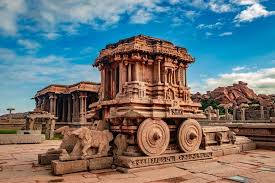
Ph.D. in Ancient History
Ph.D. in Ancient History is an advanced research degree that focuses on the study of ancient civilizations, cultures, and historical events from prehistory to the Middle Ages. The program, which ty...
Ph.D. in Ancient History
×Ph.D. in Ancient History is an advanced research degree that focuses on the study of ancient civilizations, cultures, and historical events from prehistory to the Middle Ages. The program, which typically lasts 3-5 years, comprises courses in historiography, archeological methodology, ancient languages, and specific areas like classical antiquity, ancient empires, and religious history. Students undertake original research, examine primary materials, and offer new perspectives on ancient cultures' social, political, and economic processes. Graduates frequently work in academics, museums, cultural heritage groups, or research institutions, advancing our study and preservation of ancient history and cultures.
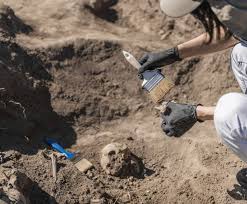
Ph.D. in Archaeology
Ph.D. in Archaeology is a graduate research degree that focuses on the study of human history, civilizations, and society via material remains. The curriculum typically lasts 4-6 years and includes...
Ph.D. in Archaeology
×Ph.D. in Archaeology is a graduate research degree that focuses on the study of human history, civilizations, and society via material remains. The curriculum typically lasts 4-6 years and includes courses in archaeological methodology, field techniques, cultural heritage, and specialty fields such as prehistory, historical archaeology, and bioarchaeology. Students do fieldwork, lab research, and artifact analysis, which contributes to new understandings of ancient civilizations, cultural evolution, and archaeological conservation. Graduates frequently seek professions in academia, museums, government agencies, or historical groups, where they work on excavation projects, preservation efforts, and contribute to the global study and conservation of cultural heritage.
Ph.D. in Lexicography
A Ph.D. in Lexicography is typically a 4-6 year program that provides advanced training in the theory, methodology, and practice of dictionary-making. Topics include corpus linguistics, historical...
Ph.D. in Lexicography
×A Ph.D. in Lexicography is typically a 4-6 year program that provides advanced training in the theory, methodology, and practice of dictionary-making. Topics include corpus linguistics, historical lexicography, linguistic analysis, semantic description, and the use of computational tools in lexicographic work are all covered in the program. Students carry out original research to further the scientific understanding of lexical semantics, the production of novel dictionary goods and services, and the evolution of vocabularies—often in partnership with publishing houses, language academies, or research institutes. Graduates of this program are equipped for jobs in corpus linguistics, language planning, academic lexicography, dictionary editing, and large-scale dictionary project management. They can use their knowledge to document endangered languages, conserve linguistic history, and produce reference materials that improve communication, language learning, and knowledge dissemination.