
Ph.D. in Mechanical Engineering takes around 4-6 years to complete, depending on the university and research project. This advanced degree focuses on developing cutting-edge knowledge in fields such as robotics, thermodynamics, fluid mechanics, materials science, and control systems. Students take challenging courses, perform unique research, and complete a PhD dissertation. The curriculum promotes problem-solving, critical thinking, and innovative abilities, preparing graduates to take on leadership roles in academia, industry, or research organizations. Ph.D. candidates usually collaborate on interdisciplinary projects, publish in peer-reviewed journals, and give presentations at conferences, all of which contribute to growth in sectors such as renewable energy, aerospace, automotive engineering, and biomedical devices.

Dharmsinh Desai University
Dharmsinh Desai University Admission Open

Ph.D. in Electronics And Communication Engineering
Ph.D. in Electronics and Communication Engineering generally takes 3-5 years to complete, depending on the university and the level of the study. This advanced degree focuses the latest development...
Ph.D. in Electronics And Communication Engineering
×Ph.D. in Electronics and Communication Engineering generally takes 3-5 years to complete, depending on the university and the level of the study. This advanced degree focuses the latest developments in signal processing, wireless communications, microelectronics, and embedded systems. Students undertake challenging courses, implement original research, and write their dissertations under faculty supervision. The program promotes skills in developing complex electronic systems, creating innovative communication technologies, and addressing real-world engineering challenges. Graduates are well-prepared to work in academia, research institutions, or high-tech enterprises, helping to improve disciplines such as 5G/6G networks, IoT, artificial intelligence, and quantum computing. This degree involves strong analytical skills, creativity, and an intense passion for technological advancement.

Ph.D. in Civil Engineering
A Ph.D. in Civil Engineering typically requires 3-5 years to complete, depending on the university and research area. This graduate degree program emphasizes particular fields such as structural en...
Ph.D. in Civil Engineering
×A Ph.D. in Civil Engineering typically requires 3-5 years to complete, depending on the university and research area. This graduate degree program emphasizes particular fields such as structural engineering, geotechnical engineering, transportation systems, environmental engineering, and water resource management. Students take difficult courses, do unique research, and write a doctoral thesis that adds new understanding to the area. The program of study addresses advanced analytical abilities, research approaches, and problem-solving techniques applicable to difficult civil engineering tasks. Graduates are prepared for managerial roles in academia, research institutes, government agencies, or the commercial sector, where they can drive innovation in building infrastructure, sustainability, and urban planning.

Ph.D. in Management
Ph.D. in Management typically requires 4-6 years to complete, depending on the university and the student's progress. This postgraduate degree program focuses on enhancing awareness of manageme...
Ph.D. in Management
×Ph.D. in Management typically requires 4-6 years to complete, depending on the university and the student's progress. This postgraduate degree program focuses on enhancing awareness of management theory, research methods, and organizational behavior. Students pursue demanding coursework, thorough tests, and original research, culminating in a PhD dissertation. Strategic management, leadership, organizational psychology, and advanced statistics are common themes in the curriculum. Graduates are equipped for jobs in academia, research institutions, or high-level consultancy positions. The curriculum demands a good academic background, which typically includes a master's degree, and stresses critical thinking, analytical skills, and the ability to contribute new information to the field of management.

Ph.D. in Pharmaceutics
Doctor of Philosophy (Ph.D.) in Pharmaceutics is a rigorous 5-7 year research-focused doctoral program that provides students to serve as leading specialists in the development and improvement of d...
Ph.D. in Pharmaceutics
×Doctor of Philosophy (Ph.D.) in Pharmaceutics is a rigorous 5-7 year research-focused doctoral program that provides students to serve as leading specialists in the development and improvement of drug delivery systems. The program includes advanced topics in pharmaceutical sciences such as pharmacokinetics, medication development, manufacturing methods, and regulatory issues. Ph.D. candidates perform original laboratory and clinical research, culminating in the submission of a doctoral dissertation which contributes significantly to the field of pharmaceutics. Graduates have been trained for positions as pharmaceutical scientists, university instructors, regulatory advisors, and R&D professionals in the pharmaceutical business. The Ph.D. in Pharmaceutics program equips students with the specific knowledge required to revolutionize drug delivery methods, improve patient outcomes, and impact the future of pharmaceutical product development.

Ph.D. in Pharmaceutical Sciences
Doctor of Philosophy (Ph.D.) in Pharmaceutics is a rigorous 5-7 year research-focused doctoral program that provides students to serve as leading specialists in the development and improvement of d...
Ph.D. in Pharmaceutical Sciences
×Doctor of Philosophy (Ph.D.) in Pharmaceutics is a rigorous 5-7 year research-focused doctoral program that provides students to serve as leading specialists in the development and improvement of drug delivery systems. The program includes advanced topics in pharmaceutical sciences such as pharmacokinetics, medication development, manufacturing methods, and regulatory issues. Ph.D. candidates perform original laboratory and clinical research, culminating in the submission of a doctoral dissertation which contributes significantly to the field of pharmaceutics. Graduates have been trained for positions as pharmaceutical scientists, university instructors, regulatory advisors, and R&D professionals in the pharmaceutical business. The Ph.D. in Pharmaceutics program equips students with the specific knowledge required to revolutionize drug delivery methods, improve patient outcomes, and impact the future of pharmaceutical product development.
Ph.D. in Management
Ph.D. in Management typically requires 4-6 years to complete, depending on the university and the student's progress. This postgraduate degree program focuses on enhancing awareness of manageme...
Ph.D. in Management
×Ph.D. in Management typically requires 4-6 years to complete, depending on the university and the student's progress. This postgraduate degree program focuses on enhancing awareness of management theory, research methods, and organizational behavior. Students pursue demanding coursework, thorough tests, and original research, culminating in a PhD dissertation. Strategic management, leadership, organizational psychology, and advanced statistics are common themes in the curriculum. Graduates are equipped for jobs in academia, research institutions, or high-level consultancy positions. The curriculum demands a good academic background, which typically includes a master's degree, and stresses critical thinking, analytical skills, and the ability to contribute new information to the field of management.

Ph.D. in Oral Pathology And Microbiology
Ph.D. in Oral Pathology and Microbiology normally takes 3-5 years to complete, depending on the institution and research objectives. This postgraduate degree program focuses on disorders of the ora...
Ph.D. in Oral Pathology And Microbiology
×Ph.D. in Oral Pathology and Microbiology normally takes 3-5 years to complete, depending on the institution and research objectives. This postgraduate degree program focuses on disorders of the oral cavity, jaw, and adjacent structures, as well as the bacteria that cause these conditions. Students conduct substantial research, lab work, and clinical observations. The program includes topics such as oral histology, immunology, molecular biology, and sophisticated diagnostic procedures. Candidates are expected to do original research, publish in peer-reviewed publications, and defend their dissertations. This degree equips graduates to work in academia, research institutes, or specialized clinical practice, helping to enhance oral health diagnostics and treatments.

Ph.D. in Pediatric & Preventive Dentistry
Ph.D. in Pediatric & Preventive Dentistry is an advanced research-focused degree typically lasting 3-5 years. This program combines intensive study in pediatric oral health, preventive strategi...
Ph.D. in Pediatric & Preventive Dentistry
×Ph.D. in Pediatric & Preventive Dentistry is an advanced research-focused degree typically lasting 3-5 years. This program combines intensive study in pediatric oral health, preventive strategies, and cutting-edge research methodologies. Candidates delve into topics such as early childhood caries, behavior management, special needs dentistry, and public health dentistry. The curriculum includes advanced coursework, clinical training, teaching experiences, and a significant research component culminating in a dissertation. Students develop expertise in conducting original research, analyzing complex data, and contributing to evidence-based practices in children's oral health. Graduates are prepared for careers in academia, research institutions, or leadership roles in pediatric dental organizations, advancing the field of pediatric and preventive dentistry.

Ph.D. in Periodontology
Ph.D. in Periodontology is an advanced doctoral program typically lasting 3-5 years, focusing on the study and treatment of periodontal diseases and oral health. This research-intensive degree comb...
Ph.D. in Periodontology
×Ph.D. in Periodontology is an advanced doctoral program typically lasting 3-5 years, focusing on the study and treatment of periodontal diseases and oral health. This research-intensive degree combines clinical training with in-depth scientific investigation, preparing graduates for academic, research, or specialized clinical roles. Students engage in advanced coursework, conduct original research, and often participate in teaching. The curriculum covers topics such as periodontal pathology, regenerative techniques, implantology, and evidence-based dentistry. Candidates usually need a dental degree and may require specialty training in periodontology. Upon completion, graduates are equipped to contribute to the field through research, education, and advanced clinical practice.

Ph.D. in Information Technology
Ph.D. in Information Technology typically requires 3 - 5 years of study beyond a master's degree, depending on the program and the student’s pace. This advanced degree focuses on the...
Ph.D. in Information Technology
×Ph.D. in Information Technology typically requires 3 - 5 years of study beyond a master's degree, depending on the program and the student’s pace. This advanced degree focuses on the theoretical and practical aspects of computing and information systems, encompassing areas such as software engineering, data analytics, cybersecurity, artificial intelligence, and network management. Candidates engage in rigorous coursework, comprehensive exams, and original research, culminating in a dissertation that contributes to the field. Graduates often pursue careers in academia, research institutions, or high-level industry positions, playing critical roles in technology development and innovation.
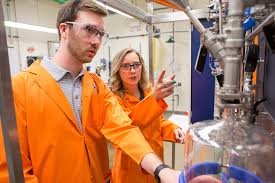
Ph.D. in Chemical Engineering
A Ph.D. in Chemical Engineering is a research-oriented program that focuses on using chemical principles to design, develop, and optimize chemical, material, and energy-based processes. The program...
Ph.D. in Chemical Engineering
×A Ph.D. in Chemical Engineering is a research-oriented program that focuses on using chemical principles to design, develop, and optimize chemical, material, and energy-based processes. The program typically lasts 3-5 years and covers topics like as thermodynamics, fluid mechanics, process control, reaction engineering, materials science, and nanotechnology. Students perform original research to address complicated engineering issues, improve industrial processes, and create new materials or energy solutions. The curriculum covers advanced chemical engineering topics, research methodology, and culminates in a dissertation. Graduates frequently pursue positions in academia, research institutions, or sectors including pharmaceuticals, petrochemicals, energy, and manufacturing.

Ph.D. in Pharmacology
Ph.D. in Pharmacology is a research-based program that investigates pharmaceuticals, their effects on the human body, and therapeutic possibilities. The program typically lasts 3-5 years and c...
Ph.D. in Pharmacology
×Ph.D. in Pharmacology is a research-based program that investigates pharmaceuticals, their effects on the human body, and therapeutic possibilities. The program typically lasts 3-5 years and covers topics such as drug mechanisms, toxicology, pharmacokinetics, pharmacodynamics, and drug development. Students perform unique research to examine how medications interact with biological systems, focusing on the molecular and physiological impacts of diverse substances. The program comprises courses in biochemistry, physiology, and drug chemistry, as well as research methodology and a dissertation. Graduates frequently pursue positions in academic research, the pharmaceutical sector, regulatory agencies, and healthcare.

Ph.D. in Pharmaceutical Chemistry
Ph.D. in Pharmaceutical Chemistry is a specialized study degree that studies the design, synthesis, and analysis of chemical substances used in medications. The curriculum typically lasts 3-5 years...
Ph.D. in Pharmaceutical Chemistry
×Ph.D. in Pharmaceutical Chemistry is a specialized study degree that studies the design, synthesis, and analysis of chemical substances used in medications. The curriculum typically lasts 3-5 years and covers medicinal chemistry, drug development, pharmacokinetics, drug delivery systems, bioorganic chemistry, and pharmaceutical analysis. Students conduct unique research to create new therapeutic agents, investigate the molecular interactions of pharmaceuticals and biological systems, and enhance drug formulation procedures. The program frequently employs both laboratory-based investigations and computational tools to generate and test prospective medication candidates. Graduates of this school often work in academia, the pharmaceutical and biotechnology sectors, regulatory bodies, or drug research businesses. Admission normally requires a Master's degree in chemistry, pharmaceutical sciences, or a similar discipline, with strong laboratory skills,research, and analytical skills.

Ph.D. in Computer Engineering and Networking
Ph.D. in Computer Engineering and Networking is an advanced research degree that focuses on computer systems, network topologies, cybersecurity, and emerging technologies like cloud computing and I...
Ph.D. in Computer Engineering and Networking
×Ph.D. in Computer Engineering and Networking is an advanced research degree that focuses on computer systems, network topologies, cybersecurity, and emerging technologies like cloud computing and IoT. The curriculum typically lasts 3-5 years with challenging coursework, extensive exams, and an original research dissertation. Candidates study about network protocols, wireless communications, distributed systems, and machine learning applications in networking. Graduates are equipped to work in academia, research institutions, or industries that focus on innovation and technology. The program demands a master's degree in a comparable discipline, good analytical skills, and a desire to advance the field via effective research.

Ph.D. in Instrumentation Engineering
Ph.D. in Instrumentation Engineering is an advanced research degree typically lasting 3-5 years, focusing on the design, development, and application of measurement and control systems. This progra...
Ph.D. in Instrumentation Engineering
×Ph.D. in Instrumentation Engineering is an advanced research degree typically lasting 3-5 years, focusing on the design, development, and application of measurement and control systems. This program combines principles from electrical, mechanical, and computer engineering to create innovative instrumentation solutions. Students engage in cutting-edge research, developing expertise in areas such as sensor technology, signal processing, data acquisition, and automation. The curriculum includes advanced coursework, seminars, and a substantial original research project culminating in a doctoral dissertation. Graduates are prepared for leadership roles in academia, research institutions, and high-tech industries, contributing to advancements in fields like aerospace, healthcare, and industrial automation.

Ph.D. in Prosthodontics and Crown and Bridge
PhD in Prosthodontics and Crown and Bridge focuses on the restoration and replacement of teeth using modern dental prosthetics such as crowns, bridges, dentures, and implants. The program, wh...
Ph.D. in Prosthodontics and Crown and Bridge
×PhD in Prosthodontics and Crown and Bridge focuses on the restoration and replacement of teeth using modern dental prosthetics such as crowns, bridges, dentures, and implants. The program, which typically lasts 3 to 5 years, includes instruction in dental materials, occlusion, biomaterials, and clinical procedures as well as intensive restorative dentistry research. Students learn about the design and production of fixed and detachable prostheses, implantology, and advances in prosthetic technology. Graduates are prepared to work in academia, clinical practice, and research, helping to promote prosthodontic practices, improve patient outcomes, and create new materials and technology for dental restoration.
Ph.D. in Public Health Dentistry
Ph.D. in Public Health Dentistry focuses on improving oral health at the community and population levels by combining dental care with public health methods. The curriculum typically lasts 3 to 5 y...
Ph.D. in Public Health Dentistry
×Ph.D. in Public Health Dentistry focuses on improving oral health at the community and population levels by combining dental care with public health methods. The curriculum typically lasts 3 to 5 years and includes courses in epidemiology, health policy, oral preventive, and community-based research, as well as significant fieldwork. Students investigate oral health inequities, dental disease prevention, health promotion, and the role of dentistry in public health systems. Graduates are equipped for careers in academia, research institutes, public health organizations, and government agencies, where they can help establish policies, programs, and strategies to enhance oral health at the population level.
Ph.D. in Oral Medicine and Radiology
Ph.D. in Oral Medicine and Radiology focuses on the diagnosis and treatment of oral disorders, with a particular emphasis on the use of radiographic techniques for diagnosis and planning. The...
Ph.D. in Oral Medicine and Radiology
× Ph.D. in Oral Medicine and Radiology focuses on the diagnosis and treatment of oral disorders, with a particular emphasis on the use of radiographic techniques for diagnosis and planning. The program typically lasts 3 to 5 years and includes courses in oral pathology, radiographic imaging, clinical medicine, and diagnostic procedures, as well as original research. Students learn about medical picture interpretation, modern diagnostic tools, and how to address problems such as oral cancer, TMJ disorders, and systemic diseases with oral symptoms. Graduates are well-prepared for positions in academia, clinical practice, and research, where they can help enhance diagnostic imaging and oral healthcare.

Ph.D. in Dentofacial Orthopaedics
Ph.D. in Dentofacial Orthopaedics focuses on the diagnosis and treatment of malocclusions and skeletal abnormalities of the face and jaw. The program, which typically lasts 3-5 years, in...
Ph.D. in Dentofacial Orthopaedics
×Ph.D. in Dentofacial Orthopaedics focuses on the diagnosis and treatment of malocclusions and skeletal abnormalities of the face and jaw. The program, which typically lasts 3-5 years, integrates instruction in orthodontics, craniofacial growth, biomechanics, and surgical intervention with significant research. Students study jaw development, face growth patterns, skeletal abnormalities, and the combination of orthodontics and orthopaedic therapy. Graduates of the program are prepared for jobs in academia, research, or specialized clinical practice, where they will advance knowledge of facial anatomy, improve treatment approaches, and contribute to breakthroughs in the diagnosis and management of complicated dentofacial disorders.
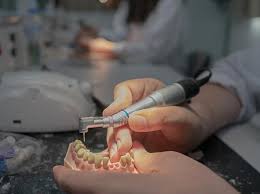
Ph.D. in Orthodontics
Ph.D. in Orthodontics is a research-intensive program that investigates the diagnosis, prevention, and treatment of dental and facial abnormalities. The program typically lasts 3 to 5 years a...
Ph.D. in Orthodontics
× Ph.D. in Orthodontics is a research-intensive program that investigates the diagnosis, prevention, and treatment of dental and facial abnormalities. The program typically lasts 3 to 5 years and includes courses in orthodontic theory, craniofacial development, biomechanics, and dental materials, as well as unique clinical and laboratory research. Students study growth trends, orthodontic appliances, craniofacial anomalies, and advances in digital orthodontics. Graduates are prepared for jobs in academia, research, or specialized orthodontic practice, where they can help to innovate treatment procedures, improve patient outcomes, and advance knowledge in orthodontics and dental care.

Ph.D. in Conservative Dentistry and Endodontics
Ph.D. in Conservative Dentistry and Endodontics is a highly specialized research degree that focuses on tooth preservation and restoration, as well as the diagnosis and treatment of dental pu...
Ph.D. in Conservative Dentistry and Endodontics
× Ph.D. in Conservative Dentistry and Endodontics is a highly specialized research degree that focuses on tooth preservation and restoration, as well as the diagnosis and treatment of dental pulp and root canal illnesses. The program typically lasts 3 to 5 years and includes instruction in dental materials, oral pathology, advanced endodontic procedures, and restorative dentistry, as well as original research. Students learn about tooth preservation techniques, root canal therapy advances, and the creation of novel materials and technologies in endodontics. Graduates are prepared to work in academia, clinical research, or specialty dentistry practice, helping to develop patient care and dental technologies.
Ph.D. in Oral and Maxillofacial Surgery
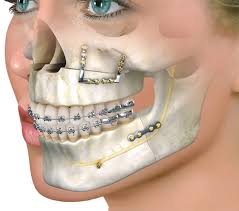
Ph.D. in Oral and Maxillofacial Surgery focuses on sophisticated research and clinical skills in surgical procedures for the mouth, jaws, face, and neck. The program normally lasts 3-5 y...
Ph.D. in Oral and Maxillofacial Surgery
× Ph.D. in Oral and Maxillofacial Surgery focuses on sophisticated research and clinical skills in surgical procedures for the mouth, jaws, face, and neck. The program normally lasts 3-5 years and includes education in surgical methods, anatomy, pathology, and patient care, as well as hands-on clinical training. Students learn about complex topics such as craniofacial reconstruction, trauma management, dental implants, and oral cancer treatments. Innovative surgical approaches, pain treatment, and healing strategies may all be part of the research. Graduates have the opportunity to work in academic research, advanced clinical practice, or specialized surgical roles in hospitals and dental facilities.

Ph.D. in Pharmacognosy
A Ph.D. program in pharmacognosy focuses on the study of natural medications made from minerals, plants, and animals. The curriculum, which is usually finished in 3-5 years, involves research...
Ph.D. in Pharmacognosy
×A Ph.D. program in pharmacognosy focuses on the study of natural medications made from minerals, plants, and animals. The curriculum, which is usually finished in 3-5 years, involves research on the pharmacological characteristics and therapeutic uses of bioactive substances as well as their identification, isolation, and characterisation. Students study subjects like toxicology, phytochemistry, herbal medicine, and their application to medication development. Graduates can work as researchers, academics, or professionals in the pharmaceutical sector, helping to advance the fields of medicinal plant research and drug development, create alternative cures, and discover novel natural remedies.

Ph.D. in Pharmaceutical Analysis
A Ph.D. in Pharmaceutical Analysis is typically a 4-6 year program that provides advanced training in the scientific principles and techniques used to analyze the chemical, physical, and biological...
Ph.D. in Pharmaceutical Analysis
×A Ph.D. in Pharmaceutical Analysis is typically a 4-6 year program that provides advanced training in the scientific principles and techniques used to analyze the chemical, physical, and biological properties of pharmaceutical compounds and formulations. Analytical chemistry, spectroscopy, chromatography, bioanalysis, quality control, and regulatory compliance are among the subjects covered in the curriculum. In order to create novel analytical techniques and advance the scientific understanding of the variables impacting drug quality, safety, and efficacy, students frequently collaborate with pharmaceutical corporations, contract research organizations, or regulatory bodies while doing original research. Graduates of this program are equipped for professions in regulatory affairs, quality assurance, pharmaceutical research and development, and academia, where they can use their knowledge of pharmaceutical analysis to guarantee the manufacturing of safe and efficient medications.
Ph.D. in Oral Implantology
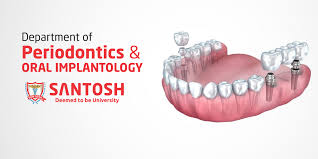
A Ph.D. in Oral Implantology is typically a 4-6 year program that provides advanced training in the scientific principles and clinical applications of dental implant therapy. Implant biomaterials,...
Ph.D. in Oral Implantology
×A Ph.D. in Oral Implantology is typically a 4-6 year program that provides advanced training in the scientific principles and clinical applications of dental implant therapy. Implant biomaterials, osseointegration, surgical methods, prosthetic rehabilitation, and the handling of implant-related problems are among the subjects covered in the program. In order to advance the scholarly understanding of the elements impacting implant effectiveness and the creation of novel implant designs and treatment regimens, students frequently collaborate with dental schools, research institutions, or implant manufacturers to perform original research. Graduates of this program are equipped for leadership positions in the dental implant industry, specialty dentistry practice, academic research, and other fields. Their knowledge of oral implantology can be used to enhance patient outcomes, further the profession through research, and instruct the next generation of dental professionals in this rapidly evolving area of dentistry.
Ph.D. in Dental Anatomy
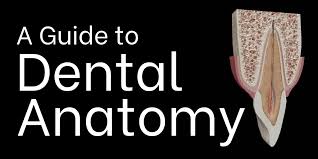
A Ph.D. in Dental Anatomy is typically a 4-6 year program that provides advanced training in the comprehensive study of the structure, function, and development of the oral and craniofacial regions...
Ph.D. in Dental Anatomy
×A Ph.D. in Dental Anatomy is typically a 4-6 year program that provides advanced training in the comprehensive study of the structure, function, and development of the oral and craniofacial regions. Topics covered in the curriculum include the application of anatomical principles to clinical dentistry as well as the microscopic and macroscopic anatomy of teeth, jaws, and supporting systems. Students carry out unique research to advance the scientific understanding of oral biology and the creation of novel diagnostic and therapeutic strategies, frequently in cooperation with dentistry schools, research institutes, or healthcare providers. Graduates of this program are equipped for professions in oral and maxillofacial surgery, dentistry research, academia, and specialized positions in the dental sector, where they can use their knowledge of dental anatomy to improve oral health outcomes.
Ph.D. in Oral Histology
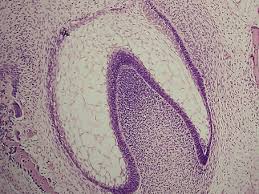
A Ph.D. in Oral Histology is typically a 4-6 year program that provides advanced training in the microscopic study of the structure and function of oral tissues. Topics including the histology of s...
Ph.D. in Oral Histology
×A Ph.D. in Oral Histology is typically a 4-6 year program that provides advanced training in the microscopic study of the structure and function of oral tissues. Topics including the histology of salivary glands, teeth, gums, and other craniofacial structures are covered in the curriculum, along with how histological methods are used to diagnose and treat oral illnesses. Students carry out unique research to advance the scientific understanding of oral biology and the creation of novel diagnostic and treatment techniques, frequently in cooperation with dentistry schools, research institutes, or healthcare providers. Graduates of this program are equipped for professions in oral pathology, dental research, academia, and specialized positions in the dentistry sector, where they can use their knowledge of oral histology to enhance oral health outcomes.