
Ph.D. in History takes approximately 5-7 years to accomplish, depending on the program and individual development. This advanced degree requires extensive research, critical analysis, and an original contribution to historical knowledge. Students participate in coursework, comprehensive exams, and dissertation writing. The program encompasses history, research methodology, and specific fields of study. Candidates become proficient in primary source analysis, archival research, and academic writing. The climax is a doctoral dissertation that presents novel research findings. This degree provide different career positions in academia, research institutes, museums, and other professions that require extensive historical knowledge. Successful completion indicates mastery of historical study and the ability to add to the field's corpus of knowledge.
Fakir Mohan University
Fakir Mohan University Admission Open

Ph.D. in Computer Science
Ph.D. in computer science usually takes 4-6 years to complete, depending on the coursework and research progress. This advanced degree emphasizes producing unique research in a specific field...
Ph.D. in Computer Science
× Ph.D. in computer science usually takes 4-6 years to complete, depending on the coursework and research progress. This advanced degree emphasizes producing unique research in a specific field of computer science, such as artificial intelligence, cybersecurity, or algorithms. Students undergo advanced courses, take thorough tests, and produce a dissertation based on their research findings. The curriculum trains participants in critical thinking, problem solving, and innovative technology development. Graduates frequently pursue careers in academia, research institutions, or managerial positions in the technology business. A Ph.D. in Computer Science necessitates devotion, intellectual curiosity, and the capacity to bring novel information to the area.

Ph.D. in Education
Ph.D. in Education usually requires 3-5 years for completion, depending on the program and whether the student pursues full-time or part-time. This advanced degree emphasizes educational research,...
Ph.D. in Education
×Ph.D. in Education usually requires 3-5 years for completion, depending on the program and whether the student pursues full-time or part-time. This advanced degree emphasizes educational research, philosophical thought, and practice. Students take hard courses, perform original research, and submit a dissertation. The curriculum frequently includes educational psychology, curriculum creation, educational policy, and research methodology. Graduates are equipped for positions in academia, educational leadership, policymaking, and advanced research. This degree needs a master's degree for admission and concludes in a comprehensive examination followed by an effective doctoral defense before a committee of academic experts.

Ph.D. in Journalism And Mass Communication
Ph.D. in Journalism and Mass Communication usually takes 3-5 years to complete, depending on the program and research requirements. This postgraduate degree emphasizes in-depth research and a...
Ph.D. in Journalism And Mass Communication
×Ph.D. in Journalism and Mass Communication usually takes 3-5 years to complete, depending on the program and research requirements. This postgraduate degree emphasizes in-depth research and analysis of media, communication theories, and their societal implications. Students pursue challenging courses, conduct independent research, and often serve as teaching assistants. The program culminates with a doctoral dissertation, which contributes new information to the regulation. Graduates have the abilities to work in academia, advanced research, media policy, or as leaders in media organizations. Digital media technology, media ethics, global communication, data journalism, and emerging trends in mass communication may all be important topics to research.

Ph.D. in Chemistry
Ph.D. in Chemistry takes around 4-6 years to complete, depending on the research project and institution. This doctoral program emphasizes distinctive research in certain areas of chemistry, such a...
Ph.D. in Chemistry
×Ph.D. in Chemistry takes around 4-6 years to complete, depending on the research project and institution. This doctoral program emphasizes distinctive research in certain areas of chemistry, such as organic, inorganic, physical, or analytical chemistry. Students pursue more advanced courses, perform substantial laboratory research, and develop a dissertation based on their findings. The program includes generating hypotheses, designing experiments, analyzing data, and bringing new knowledge to the field. Ph.D. candidates frequently interact with other experts, give presentation at conferences, and publish articles in scientific publications. This degree equips graduates with job opportunities in academia, industry research, government laboratories, and other scientific fields that require advanced chemical skills.

Ph.D. in Physics
Ph.D. in Physics generally requires 5-7 years to complete, and it comprises advanced coursework, independent research, and a doctorate dissertation. Students explore the fundamental concepts...
Ph.D. in Physics
×Ph.D. in Physics generally requires 5-7 years to complete, and it comprises advanced coursework, independent research, and a doctorate dissertation. Students explore the fundamental concepts of matter and energy, and often specialize in quantum mechanics, astrophysics, or particle physics. The program fosters critical thinking, problem-solving skills, and knowledge in experimental or theoretical physics. Graduates are prepared to work in academia, research institutions, or industry, contributing to innovative scientific discoveries and technical developments. This challenging degree requires dedication, intellectual curiosity, and the ability to push the limits of human knowledge of the physical cosmos.
Ph.D. in Zoology
Ph.D. in Zoology normally takes 3 -5 years of study after obtaining a master's degree. The curriculum requires intensive training in animal biology, ecology, evolutionary biology, and genetics,...
Ph.D. in Zoology
×Ph.D. in Zoology normally takes 3 -5 years of study after obtaining a master's degree. The curriculum requires intensive training in animal biology, ecology, evolutionary biology, and genetics, as well as considerable research. Students must write a dissertation that brings new knowledge to the field, which frequently includes laboratory research, field surveys, or data analysis. During this time, candidates may also teach undergraduate classes, attend seminars, and publish research findings in academic journals. Graduates are equipped for professions in academics, wildlife conservation, environmental consultancy, and a variety of positions in governmental and non-governmental organizations concerned with animal health and biodiversity.

Ph.D. in Botany
Ph.D. in Botany usually takes 3-5 years and focuses on advanced study in plant biology, ecology, and conservation. The program includes intensive courses in plant physiology, taxonomy, molecul...
Ph.D. in Botany
×Ph.D. in Botany usually takes 3-5 years and focuses on advanced study in plant biology, ecology, and conservation. The program includes intensive courses in plant physiology, taxonomy, molecular biology, and environmental science. Students are expected to do unique research, culminating in a dissertation that advances the area of botany. Fieldwork, laboratory experiments, and interdisciplinary team cooperation are common components of the program. Graduates work in academia, research institutions, environmental agencies, and industries associated with agriculture, horticulture, and biodiversity conservation, bringing vital information to plant science and ecosystem management.

Ph.D. in Environmental Science
Ph.D. in Environmental Science normally lasts 3-5 years and focuses on advanced study on key environmental challenges. The program includes difficult courses in ecological theory, enviro...
Ph.D. in Environmental Science
×Ph.D. in Environmental Science normally lasts 3-5 years and focuses on advanced study on key environmental challenges. The program includes difficult courses in ecological theory, environmental policy, sustainability, and advanced research methods. Students conduct original research, which frequently includes fieldwork, data analysis, and interdisciplinary cooperation, culminating in a dissertation that adds to the body of knowledge in the discipline. Candidates may study climate change, conservation biology, environmental chemistry, or ecosystem management. The curriculum prepares graduates for positions in academia, government agencies, non-profit organizations, and the commercial sector, with an emphasis on practical solutions to environmental issues.

Ph.D. in Social Science
A Ph.D. in Social Science is an advanced research degree that examines human behavior, societal structures, and social change via a variety of disciplinary perspectives, including sociology, anthro...
Ph.D. in Social Science
×A Ph.D. in Social Science is an advanced research degree that examines human behavior, societal structures, and social change via a variety of disciplinary perspectives, including sociology, anthropology, economics, and political science. The curriculum, which typically lasts 3-5years, uses both qualitative and quantitative research approaches to address complex social issues such as inequality, globalization, and policy formation. Students gain knowledge in fields such as social theory, ethnography, social justice, and public policy. Admission often necessitates a Master's degree in Social Sciences or a comparable subject. Graduates frequently go on to work in academia, research, or government, non-governmental, and international organizations.

Ph.D. in Urdu
Advanced studies in Urdu language, literature, linguistics, and cultural studies are the main focus of a Ph.D. program in Urdu, which is a research-based doctoral degree. Depending on universi...
Ph.D. in Urdu
×Advanced studies in Urdu language, literature, linguistics, and cultural studies are the main focus of a Ph.D. program in Urdu, which is a research-based doctoral degree. Depending on university and the state of study, the course usually lasts 3-5 years. It entails a thorough examination of Urdu poetry, drama, critical theory, and both classical and contemporary literature. Additionally, students study cultural historiography, translation studies, and language analysis. A Master's degree in Urdu or a closely related discipline, along with compelling research project, is typically required for admission. Program's goal is to develop scholars who can advance Urdu studies knowledge worldwide and conduct unique research.
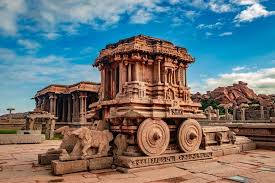
Ph.D. in Ancient History
Ph.D. in Ancient History is an advanced research degree that focuses on the study of ancient civilizations, cultures, and historical events from prehistory to the Middle Ages. The program, which ty...
Ph.D. in Ancient History
×Ph.D. in Ancient History is an advanced research degree that focuses on the study of ancient civilizations, cultures, and historical events from prehistory to the Middle Ages. The program, which typically lasts 3-5 years, comprises courses in historiography, archeological methodology, ancient languages, and specific areas like classical antiquity, ancient empires, and religious history. Students undertake original research, examine primary materials, and offer new perspectives on ancient cultures' social, political, and economic processes. Graduates frequently work in academics, museums, cultural heritage groups, or research institutions, advancing our study and preservation of ancient history and cultures.
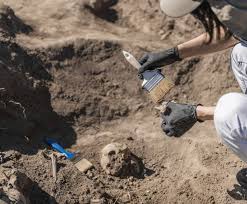
Ph.D. in Archaeology
Ph.D. in Archaeology is a graduate research degree that focuses on the study of human history, civilizations, and society via material remains. The curriculum typically lasts 4-6 years and includes...
Ph.D. in Archaeology
×Ph.D. in Archaeology is a graduate research degree that focuses on the study of human history, civilizations, and society via material remains. The curriculum typically lasts 4-6 years and includes courses in archaeological methodology, field techniques, cultural heritage, and specialty fields such as prehistory, historical archaeology, and bioarchaeology. Students do fieldwork, lab research, and artifact analysis, which contributes to new understandings of ancient civilizations, cultural evolution, and archaeological conservation. Graduates frequently seek professions in academia, museums, government agencies, or historical groups, where they work on excavation projects, preservation efforts, and contribute to the global study and conservation of cultural heritage.
Ph.D. in Population Studies
Ph.D. in Population Studies is a research-intensive program that usually lasts 3-5 years and focuses on understanding population dynamics, demographic trends, and their societal ramifications...
Ph.D. in Population Studies
×Ph.D. in Population Studies is a research-intensive program that usually lasts 3-5 years and focuses on understanding population dynamics, demographic trends, and their societal ramifications. Students explore advanced themes like as fertility, mortality, migration, aging, and population policy, using both quantitative and qualitative approaches to assess demographic data. This curriculum prepares graduates for positions in academia, government agencies, international organizations, and research institutes, which offer insights to policy formation and socioeconomic planning. Candidates often have a master's degree in population studies, sociology, or a similar discipline, and may be needed to complete coursework, comprehensive tests, and a dissertation.