
Ph.D. in Education usually requires 3-5 years for completion, depending on the program and whether the student pursues full-time or part-time. This advanced degree emphasizes educational research, philosophical thought, and practice. Students take hard courses, perform original research, and submit a dissertation. The curriculum frequently includes educational psychology, curriculum creation, educational policy, and research methodology. Graduates are equipped for positions in academia, educational leadership, policymaking, and advanced research. This degree needs a master's degree for admission and concludes in a comprehensive examination followed by an effective doctoral defense before a committee of academic experts.
.jpg)
Himgiri Zee University
Himgiri Zee University Admission Open

Ph.D. in Law
The highest academic degree in legal studies is the Ph.D. in Law, generally requires 3-5 years to complete. This challenging program emphasizes advanced legal research, theory, and scholarly...
Ph.D. in Law
×The highest academic degree in legal studies is the Ph.D. in Law, generally requires 3-5 years to complete. This challenging program emphasizes advanced legal research, theory, and scholarly writing. Candidates select a specific topic of law for a comprehensive study and innovative contribution to legal knowledge. The curriculum consists of coursework, comprehensive exams, and the production of a doctoral dissertation with faculty supervision. Students acquire knowledge of legal analysis, research methods, and academic writing. A Ph.D. in Law prepares graduates for a position in academia, legal research, policymaking, or senior positions in law firms and organizations. Admission generally requires an elementary law degree (J.D. or LL.M.) along with suitable experience.

Ph.D. in Mass Communication
Ph.D. in Mass Communication usually takes 3-5 years to complete, depending on the program and research requirements. This postgraduate degree focuses on media, communication theories, and thei...
Ph.D. in Mass Communication
×Ph.D. in Mass Communication usually takes 3-5 years to complete, depending on the program and research requirements. This postgraduate degree focuses on media, communication theories, and their social implications. Students complete challenging courses, conduct independent research, and frequently serve as teaching assistants. The curriculum includes topics such as media effects, digital communication, journalism, public relations, and research methods. Candidates are expected to offer original research in the way of a dissertation that explores completely into specific aspects of mass communication. This degree prepares students for careers in academia, research institutes, media organizations, and high-level roles in communication-related companies.
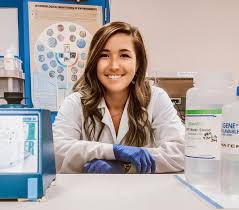
Ph.D. in Toxicology
Ph.D. in Toxicology typically takes 3 - 5 years to complete and focuses on the study of harmful substances and their effects on living organisms. The program encompasses a range of disciplines, inc...
Ph.D. in Toxicology
×Ph.D. in Toxicology typically takes 3 - 5 years to complete and focuses on the study of harmful substances and their effects on living organisms. The program encompasses a range of disciplines, including biology, chemistry, pharmacology, and environmental science. Students engage in advanced coursework, and laboratory research, and often complete a dissertation based on original research in areas such as drug toxicity, environmental toxicology, or risk assessment. This degree prepares graduates for careers in academia, industry, regulatory agencies, or public health, where they contribute to understanding and mitigating the risks associated with toxic substances.

Ph.D. in Agriculture
Ph.D. in Agriculture is a research-oriented degree that aims to expand knowledge in fields like agricultural science, soil health, agribusiness, and sustainable farming. Typically lasting 3-5 ...
Ph.D. in Agriculture
×Ph.D. in Agriculture is a research-oriented degree that aims to expand knowledge in fields like agricultural science, soil health, agribusiness, and sustainable farming. Typically lasting 3-5 years, the curriculum consists of extensive coursework, laboratory research, and field study, culminating in a dissertation based on original research. Agronomy, horticulture, plant genetics, soil science, agricultural economics, and agricultural engineering are among the possible specializations. The curriculum provides students with knowledge of agricultural advances, allowing them to solve concerns such as food security, climate resilience, and sustainable practices. Graduates frequently pursue positions in academia, research institutions, government agencies, and the agricultural industry.

Ph.D. in Business Management
A Ph.D. in Business Management is an advanced research-oriented doctoral program typically lasting 3-5 years, depending on the institution and the student's progress. Goal of this demandin...
Ph.D. in Business Management
×A Ph.D. in Business Management is an advanced research-oriented doctoral program typically lasting 3-5 years, depending on the institution and the student's progress. Goal of this demanding program is to cultivate advanced research and analytical abilities across a range of business domains. Students complete a PhD dissertation after completing rigorous coursework, thorough exams, and unique research. Advanced subjects in research methodology, finance, strategic management, and organizational behavior are frequently covered in the curriculum. In addition to contributing to scholarly publications and maybe gaining teaching experience, candidates collaborate closely with faculty mentors. Graduates are ready for high-level consulting or executive roles in businesses, think tanks, or government organizations, as well as academic jobs as professors or researchers.

Ph.D. in Pharmacology
Ph.D. in Pharmacology is a research-based program that investigates pharmaceuticals, their effects on the human body, and therapeutic possibilities. The program typically lasts 3-5 years and c...
Ph.D. in Pharmacology
×Ph.D. in Pharmacology is a research-based program that investigates pharmaceuticals, their effects on the human body, and therapeutic possibilities. The program typically lasts 3-5 years and covers topics such as drug mechanisms, toxicology, pharmacokinetics, pharmacodynamics, and drug development. Students perform unique research to examine how medications interact with biological systems, focusing on the molecular and physiological impacts of diverse substances. The program comprises courses in biochemistry, physiology, and drug chemistry, as well as research methodology and a dissertation. Graduates frequently pursue positions in academic research, the pharmaceutical sector, regulatory agencies, and healthcare.

Ph.D. in Pharmaceutical Chemistry
Ph.D. in Pharmaceutical Chemistry is a specialized study degree that studies the design, synthesis, and analysis of chemical substances used in medications. The curriculum typically lasts 3-5 years...
Ph.D. in Pharmaceutical Chemistry
×Ph.D. in Pharmaceutical Chemistry is a specialized study degree that studies the design, synthesis, and analysis of chemical substances used in medications. The curriculum typically lasts 3-5 years and covers medicinal chemistry, drug development, pharmacokinetics, drug delivery systems, bioorganic chemistry, and pharmaceutical analysis. Students conduct unique research to create new therapeutic agents, investigate the molecular interactions of pharmaceuticals and biological systems, and enhance drug formulation procedures. The program frequently employs both laboratory-based investigations and computational tools to generate and test prospective medication candidates. Graduates of this school often work in academia, the pharmaceutical and biotechnology sectors, regulatory bodies, or drug research businesses. Admission normally requires a Master's degree in chemistry, pharmaceutical sciences, or a similar discipline, with strong laboratory skills,research, and analytical skills.
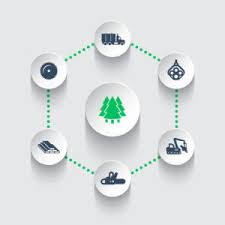
Ph.D. in Forestry
Ph.D. in Forestry typically spans 3 - 5 years and focuses on advanced research in areas such as forest ecology, management, conservation, and sustainable practices. The program combines theore...
Ph.D. in Forestry
×Ph.D. in Forestry typically spans 3 - 5 years and focuses on advanced research in areas such as forest ecology, management, conservation, and sustainable practices. The program combines theoretical knowledge with practical application, emphasizing the importance of forests in biodiversity, climate change mitigation, and resource management. Students engage in fieldwork, laboratory research, and data analysis, contributing to scientific literature and environmental policy. Coursework may include subjects like forest genetics, ecosystem modeling, and agroforestry. Graduates often pursue careers in academia, government agencies, non-profits, and private sector organizations, addressing global forestry challenges and promoting sustainable land use practices.

Ph.D. in Applied Science and Technology
Ph.D. in Applied Science and Technology is a 4-6 year advanced research degree that focuses on the interdisciplinary application of scientific and technological ideas to real-world situations...
Ph.D. in Applied Science and Technology
×Ph.D. in Applied Science and Technology is a 4-6 year advanced research degree that focuses on the interdisciplinary application of scientific and technological ideas to real-world situations. The curriculum includes coursework, independent research, and a doctoral dissertation. Students acquire knowledge in fields like nanotechnology, biotechnology, energy systems, and materials science. Advanced seminars, laboratory rotations, and collaborative projects are common elements of the program. Candidates collaborate closely with academic mentors, undertaking innovative research that advances their subject. This degree prepares students for leadership positions in academia, business research and development, and government laboratories. Admission normally necessitates a master's degree in a related discipline and extensive research experience.
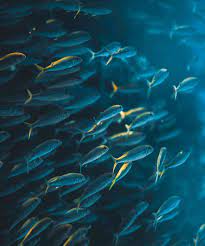
Ph.D. in Fisheries Science
The average time to finish a Ph.D. in Fisheries Science is 4 - 6 years. Advanced coursework in subjects including fish biology, aquaculture, fisheries management, and marine ecology is p...
Ph.D. in Fisheries Science
×The average time to finish a Ph.D. in Fisheries Science is 4 - 6 years. Advanced coursework in subjects including fish biology, aquaculture, fisheries management, and marine ecology is part of the program. To add new information to the topic, students often work with business or government organizations to conduct original research. Graduates are prepared to work as professors, researchers, or policy consultants, using their knowledge to support conservation, sustainable fisheries management, and the creation of revolutionary aquaculture technology.

Ph.D. in Pharmaceutical Analysis
A Ph.D. in Pharmaceutical Analysis is typically a 4-6 year program that provides advanced training in the scientific principles and techniques used to analyze the chemical, physical, and biological...
Ph.D. in Pharmaceutical Analysis
×A Ph.D. in Pharmaceutical Analysis is typically a 4-6 year program that provides advanced training in the scientific principles and techniques used to analyze the chemical, physical, and biological properties of pharmaceutical compounds and formulations. Analytical chemistry, spectroscopy, chromatography, bioanalysis, quality control, and regulatory compliance are among the subjects covered in the curriculum. In order to create novel analytical techniques and advance the scientific understanding of the variables impacting drug quality, safety, and efficacy, students frequently collaborate with pharmaceutical corporations, contract research organizations, or regulatory bodies while doing original research. Graduates of this program are equipped for professions in regulatory affairs, quality assurance, pharmaceutical research and development, and academia, where they can use their knowledge of pharmaceutical analysis to guarantee the manufacturing of safe and efficient medications.
POPULAR COURSES
(D.ED(TCH))
A.N.M.
Acharya - Navyavyakarna
Acharya - Phalita Jyotisha
Acharya - Sanskrit Sahitya
Acharya - Siddhanta Jyotisha
Adobe Photoshop
Advance Certificate Course in Beauty Therapy
Advance Certificate Course in Cosmetology
Advance Certificate Course in Hair Dressing
Advance Certificate Course in Makeup Artistry
Advance certificate Course in Nail Technology
Advance Diploma in Anesthesia Technology
Advance Diploma In Child Guidance And Counselling
Advance Diploma in Dialysis Technology
Advance Diploma in Disciples India
Advance Diploma in Fashion Design & Technology
Advance Diploma in Industrial Safety
Advance Diploma In Insurance Sales
Advance Diploma in Interior Designing
Advance Diploma in Journalism & Mass Communication
Advance Diploma in Medical Lab Technology
Advance Diploma in Operation Theatre Technology
Advance Diploma in Radiology & Imaging Technology
Advance Diploma of Proficiency in French
Advance Diploma of Proficiency in German
Advance Diploma of Proficiency in Russian
Advanced Certificate in Medical Microbiology Laboratory Technology (ACMMLT)
Advanced Certified Software Developer
Advanced Diploma in 3D Printing Technology
Advanced Diploma in Animation
Advanced Diploma in Aviation, Hospitality and Tourism
Advanced Diploma in Computer Application
Advanced Diploma in Computer Software, System Analysis & Application
Advanced Diploma in Data Science
Advanced Diploma in Hardware And Networking
Advanced Diploma in Information Technology
Advanced Diploma in Machine Learning
Advanced Diploma in Multimedia Programming
Advanced Diploma in Networking
Advanced Diploma in Sound Recording Technology
Advanced Diploma in Textile Design
Advanced Diploma in Vastu and Jyotish
Agriculture & Allied Services
Agriculture & Horticulture
Agriculture & Live Stock Production
Agriculture Technology
AHDP Diploma In Animal Husbandry Program
Arogyamitra
Artificial Intelligence And Machine Learning
Automobile Technology
B,Com. in Computer Application
B. Sc. Hons. in Anaesthesia & Operation Theatre Technology
B. Sc. Hons. in Emergency Medical Technology
B. Sc. Hons.in Medical Laboratory Technology
B. Sc. in Hospitality and Tourism Management
B. Tech. in Fisheries Engineering
B. Tech. in Leather technology
B.A. General
B.A. B.Ed.
Popular Stream
State
Andaman and Nicobar Island (UT)
Andaman and Nicobar Islands
Andhra Pradesh
Arunachal Pradesh
Assam
Bihar
Chandigarh
Chandigarh (UT)
Chhattisgarh
Dadra and Nagar
Dadra and Nagar Haveli
Dadra and Nagar Haveli (UT)
Daman and Diu
Daman and Diu (UT)
Delhi
Delhi (NCT)
Donets'k
Goa
Gujarat
Gujarat
Haryana
Himachal Pradesh
Jammu and Kashmir
Jammu and Kashmir(UT)
Jharkhand
jjj
Karnataka
Kerala
Ladakh(UT)
Lakshadweep
LAKSHADWEEP (UT)
Madhya Pradesh
Maharashtra
Manipur
Meghalaya
Mizoram
Nagaland
Niigata
Odisha
Puducherry