
Ph.D. in Biotechnology is an advanced research degree that involves biology, technology, and engineering. It generally takes 4-6 years to complete. The curriculum focuses on discovering innovative solutions to healthcare, agricultural businesses, and environmental issues. Students engage in intensive coursework, laboratory research, and frequent collaborations with industry partners. Genetic engineering, bioinformatics, molecular biology, and bioprocess engineering are all significant study fields. Candidates have to do original research, publish in peer-reviewed publications, and defend their doctoral thesis. This degree prepares graduates for managerial positions in academia, research institutes, pharmaceutical businesses, and biotech startups, advancing disciplines such as medication development, sustainable agriculture, and biofuel production.

Maharashtra University of Health Sciences
Maharashtra University of Health Sciences Admission Open

Ph.D. in Radiology & Imaging Technology
The Doctor of Philosophy (Ph.D.) in Radiology & Imaging Technology is a rigorous 4-5 year research-focused doctoral program designed to nurture the next generation of medical imaging scientists...
Ph.D. in Radiology & Imaging Technology
×The Doctor of Philosophy (Ph.D.) in Radiology & Imaging Technology is a rigorous 4-5 year research-focused doctoral program designed to nurture the next generation of medical imaging scientists and technologists. The academic program includes complex topics in radiological physics, imaging modalities, image processing, and biomedical informatics. Ph.D. applicants do unique research, which culminates in the submission of a doctoral dissertation that contributes significantly to the area. Graduates have the knowledge to work as radiological scientists, medical imaging researchers, university instructors, and R&D professionals in hospitals, government organizations, and the commercial sector. The degree equips students with highly specialized technical knowledge and research abilities to drive innovation in diagnostic and therapeutic imaging applications.
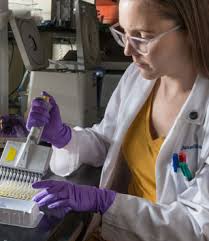
Ph.D. in Pathology
Doctor of Philosophy (Ph.D.) in Pathology is a rigorous 5-7 year research-focused doctoral program that prepares students for careers as leading experts in the study of disease. The curriculu...
Ph.D. in Pathology
×Doctor of Philosophy (Ph.D.) in Pathology is a rigorous 5-7 year research-focused doctoral program that prepares students for careers as leading experts in the study of disease. The curriculum covers advanced topics in anatomical, clinical, and molecular pathology, as well as research methods and biostatistics. Ph.D. candidates conduct original laboratory research and complete a doctoral dissertation that makes a significant contribution to the understanding of the causes, mechanisms, and diagnoses of human diseases. Graduates are equipped to work as pathologists, medical researchers, university professors, and consultants in hospitals, government agencies, and private biotechnology companies. The Ph.D. in Pathology provides students with the specialized expertise needed to advance the field of diagnostic medicine, develop new diagnostic tools and treatments, and improve patient outcomes.
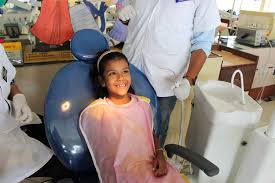
Ph.D. in Paediatric And Preventive Dentistry
Ph.D. in Paediatric and Preventive Dentistry is an advanced research-based degree typically lasting 3-5 years. This program focuses on specialized dental care for children and preventive strategies...
Ph.D. in Paediatric And Preventive Dentistry
×Ph.D. in Paediatric and Preventive Dentistry is an advanced research-based degree typically lasting 3-5 years. This program focuses on specialized dental care for children and preventive strategies for oral health. Candidates conduct original research, often exploring topics like early childhood caries, behavior management techniques, or innovative preventive interventions. The curriculum includes advanced coursework in pediatric oral pathology, child psychology, and research methodologies. Students gain hands-on clinical experience treating young patients and may participate in community outreach programs. The program culminates in a dissertation defense, contributing new knowledge to the field. Graduates are prepared for careers in academia, research institutions, or specialized clinical practice, advancing pediatric dental care and oral health prevention strategies.
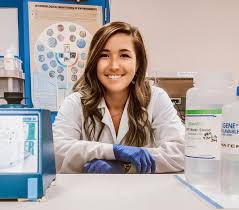
Ph.D. in Toxicology
Ph.D. in Toxicology typically takes 3 - 5 years to complete and focuses on the study of harmful substances and their effects on living organisms. The program encompasses a range of disciplines, inc...
Ph.D. in Toxicology
×Ph.D. in Toxicology typically takes 3 - 5 years to complete and focuses on the study of harmful substances and their effects on living organisms. The program encompasses a range of disciplines, including biology, chemistry, pharmacology, and environmental science. Students engage in advanced coursework, and laboratory research, and often complete a dissertation based on original research in areas such as drug toxicity, environmental toxicology, or risk assessment. This degree prepares graduates for careers in academia, industry, regulatory agencies, or public health, where they contribute to understanding and mitigating the risks associated with toxic substances.

Ph.D. in Molecular Biology
Ph.D. in Molecular Biology typically spans 4 - 6 years, encompassing advanced coursework, comprehensive exams, and original research. This program delves into the molecular mechanisms of biolo...
Ph.D. in Molecular Biology
×Ph.D. in Molecular Biology typically spans 4 - 6 years, encompassing advanced coursework, comprehensive exams, and original research. This program delves into the molecular mechanisms of biological processes, including DNA replication, gene expression, and protein synthesis. Students engage in hands-on laboratory work, utilizing techniques such as PCR, sequencing, and CRISPR to investigate cellular functions and disease mechanisms. Collaboration with interdisciplinary teams is common, fostering a broader understanding of the field. Graduates often pursue careers in academia, biotechnology, pharmaceuticals, or healthcare, contributing to advancements in genetic research, therapeutic development, and innovative biotechnological solutions.
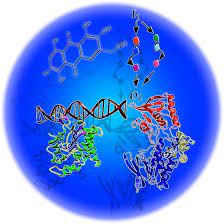
Ph.D. in Medical Biochemistry
A Ph.D. in Medical Biochemistry explores the chemical processes that take place in the human body and is an advanced research degree that lasts 4-5 years. In-depth courses in physiology, molec...
Ph.D. in Medical Biochemistry
×A Ph.D. in Medical Biochemistry explores the chemical processes that take place in the human body and is an advanced research degree that lasts 4-5 years. In-depth courses in physiology, molecular biology, and biochemistry are combined with a rigorous research project in this program. Students become proficient in methods such as chromatography, bioinformatics, and spectroscopy to explore the biochemical processes that underlie both health and illness. Graduates are equipped for jobs in government organizations, biotechnology, pharmaceutical research, or academia where they can help create novel medical treatments, diagnostics, and therapies. Students gain critical thinking, problem-solving, and communication abilities that are highly regarded in the medical sciences thanks to the demanding curriculum and individual research project.

Ph.D. in Medical Microbiology
A doctorate degree in medical microbiology, which focuses on research, normally takes approximately 4-6 years to finish. Advanced training in the study of microbes, their interactions with hos...
Ph.D. in Medical Microbiology
×A doctorate degree in medical microbiology, which focuses on research, normally takes approximately 4-6 years to finish. Advanced training in the study of microbes, their interactions with hosts, and their role in illness is offered by the program. Microbial pathogenesis, immunology, epidemiology, and laboratory procedures are among the subjects covered in the coursework. Students show their proficiency in a particular field of medical microbiology by conducting original research, publishing findings, and defending a dissertation. Graduates are equipped for jobs in public health, academia, pharmaceutical and biotech research, and other domains that need proficiency in the identification, management, and prevention of infectious illnesses.

Ph.D. in Medical Physiology
A Ph.D. program in medical physiology, which lasts from 4-6 years, offers advanced instruction in the study of the human body's typical processes and activities. Topics including organ sys...
Ph.D. in Medical Physiology
×A Ph.D. program in medical physiology, which lasts from 4-6 years, offers advanced instruction in the study of the human body's typical processes and activities. Topics including organ system function, cellular and molecular physiology, and the integration of physiological processes are all covered in the curriculum. Graduates can go on to work in academia, research, or the pharmaceutical sector, advancing medical knowledge and creating novel cures and treatments.

Ph.D. in Medical Genetics
A doctorate in medical genetics normally takes 4-6 years to finish. Advanced research and study on the genetic foundations of human health and illness are the program's main areas of conce...
Ph.D. in Medical Genetics
×A doctorate in medical genetics normally takes 4-6 years to finish. Advanced research and study on the genetic foundations of human health and illness are the program's main areas of concentration. Clinical genetics, genomics, bioinformatics, and molecular genetics are among the subjects covered in the program. Students finish a unique research dissertation that advances the field's understanding. Graduates are equipped for professions in genetic counseling, biotechnology, medical research, and academia. The Ph.D. offers extensive proficiency in the use of genomic and genetic methods to comprehend, identify, and treat complicated diseases and inherited disorders.

Ph.D. in Hospital Administration
Advanced training in healthcare management, policy, and administration is offered via a 4-5 year Ph.D. degree in Hospital Administration. Organizational behavior, quality improvement, strategi...
Ph.D. in Hospital Administration
×Advanced training in healthcare management, policy, and administration is offered via a 4-5 year Ph.D. degree in Hospital Administration. Organizational behavior, quality improvement, strategic planning, and healthcare economics are among the subjects covered in the curriculum. In addition, learners finish a dissertation and carry out unique research. Graduates frequently go on to hold executive positions in government organizations, healthcare systems, hospitals, or consulting firms, where they use their knowledge to enhance patient outcomes and streamline healthcare operations.

Ph.D. in. Anaesthesiology
Gaining proficiency in anesthesia, pain management, and critical care is the goal of an advanced research-focused Ph.D. program in anesthesiology. The course, which usually lasts 3-5 years, in...
Ph.D. in. Anaesthesiology
×Gaining proficiency in anesthesia, pain management, and critical care is the goal of an advanced research-focused Ph.D. program in anesthesiology. The course, which usually lasts 3-5 years, includes in-depth study of physiology, pharmacology, anesthesia methods, and patient safety. Anaesthetic medications, sophisticated monitoring systems, and control of perioperative hazards are just a few of topics that students investigate in their unique research. Graduates of program are prepared for positions in clinical practice, academic research, or leadership in healthcare organizations. A medical degree (MBBS or equivalent) and anesthesiology experience are typically requirements for applicants. Goal is to advance the field's theoretical understanding as well as its practical applications.
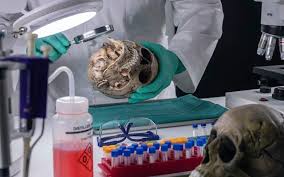
Ph.D. in Forensic Medicine
Ph.D. in Forensic Medicine is a research-based degree that focuses on applying medical expertise to legal investigations, particularly those involving criminal cases. The program typically lasts 3...
Ph.D. in Forensic Medicine
×Ph.D. in Forensic Medicine is a research-based degree that focuses on applying medical expertise to legal investigations, particularly those involving criminal cases. The program typically lasts 3 to 5 years and covers areas such as forensic pathology, toxicology, clinical forensic medicine, medical jurisprudence, and cause of death inquiry. Students carry out unique research to develop forensic techniques, assess injury patterns, and investigate the legal implications of medical discoveries. The curriculum consists of coursework in medical sciences, legislation, and research technique, culminating in a dissertation. Graduates frequently seek professions in academics, forensic research, criminal investigations, and as expert witnesses in court matters.

Ph.D. in Obstetrics & Gynaecology
Ph.D. in Obstetrics & Gynaecology is a research-based program that aims to further knowledge of women's health, including pregnancy, delivery, and reproductive system problems. The program...
Ph.D. in Obstetrics & Gynaecology
×Ph.D. in Obstetrics & Gynaecology is a research-based program that aims to further knowledge of women's health, including pregnancy, delivery, and reproductive system problems. The program typically lasts 3 to 5 years and covers topics such as maternal-fetal medicine, reproductive endocrinology, gynecological oncology, fertility treatments, and obstetric problems. Students conduct clinical and laboratory-based research to improve healthcare practices, create new medicines, and address issues in women's health. The program includes medical science courses, research methodology, and a dissertation based on unique research. Graduates frequently pursue professions in academic research, healthcare facilities, and medical practice.

Ph.D. in Plastic and Reconstructive Surgery
Ph.D. in Plastic and Reconstructive Surgery is a research-oriented program that aims to further knowledge in the field of surgical techniques and innovations for form and function restoration. The...
Ph.D. in Plastic and Reconstructive Surgery
×Ph.D. in Plastic and Reconstructive Surgery is a research-oriented program that aims to further knowledge in the field of surgical techniques and innovations for form and function restoration. The program typically lasts 3 to 5 years and covers topics such as tissue engineering, reconstructive procedures, aesthetic surgery, microsurgery, and the treatment of congenital and acquired abnormalities. Students do clinical and laboratory-based research to investigate new surgical techniques, enhance patient outcomes, and treat difficult medical illnesses. The program requires coursework, research methods, and a dissertation. Graduates frequently pursue professions in academic research, teaching, or leadership positions in medical institutes and healthcare organizations.

Ph.D. in Psychiatry
Ph.D. in Psychiatry is a research-intensive program that focuses on the scientific study of mental health disorders, their causes, and treatments. Typically lasting 3 to 5 years, the program covers...
Ph.D. in Psychiatry
×Ph.D. in Psychiatry is a research-intensive program that focuses on the scientific study of mental health disorders, their causes, and treatments. Typically lasting 3 to 5 years, the program covers topics such as neurobiology, psychopharmacology, clinical psychology, mental health assessment, and therapeutic interventions. Students engage in research to explore the biological, psychological, and social factors influencing mental illness, as well as the development of innovative treatments. The program includes coursework, research methodology, clinical training, and culminates in a dissertation. Graduates often pursue careers in academic research, clinical practice, or psychiatric healthcare institutions, contributing to the advancement of mental health care.
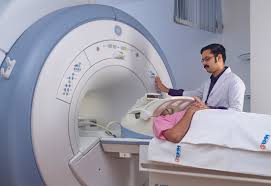
Ph.D. in Radio Diagnosis
Ph.D. in Radiodiagnosis is a research-oriented degree that enhances understanding of medical imaging techniques and their applications in identifying a variety of diseases and ailments. The curricu...
Ph.D. in Radio Diagnosis
×Ph.D. in Radiodiagnosis is a research-oriented degree that enhances understanding of medical imaging techniques and their applications in identifying a variety of diseases and ailments. The curriculum typically lasts 3 to 5 years and covers topics such as radiology, medical imaging technologies (CT, MRI, ultrasound, and X-rays), image processing, and diagnostic procedures. Students perform research to improve imaging procedures, increase diagnostic accuracy, and investigate new medical technology for better patient care. The program consists of coursework, research methods, and the production of a dissertation. Graduates of this degree frequently seek positions in academia, research, or advanced clinical responsibilities in medical institutions.

Ph.D. in Surgery
Ph.D. in Surgery is a research-intensive program that seeks to advance knowledge of surgical procedures, techniques, and innovations. Typically lasting 3 to 5 years, the curriculum entails extensiv...
Ph.D. in Surgery
×Ph.D. in Surgery is a research-intensive program that seeks to advance knowledge of surgical procedures, techniques, and innovations. Typically lasting 3 to 5 years, the curriculum entails extensive research in fields like as surgical anatomy, surgical pathology, minimally invasive surgery, transplant surgery, and the creation of novel medical technology. Students do both laboratory and clinical research to investigate surgery results, novel treatment options, and healthcare systems. The program culminates with a dissertation that advances surgical knowledge. Graduates frequently seek professions in academic research, teaching, surgical practice, and healthcare innovation.
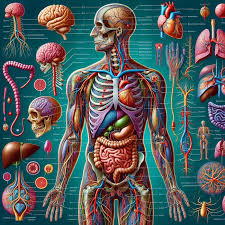
Ph.D. in Anatomy
Ph.D. in Anatomy is a specialized research degree that examines the structure of the human body and its many systems. The program typically lasts 3 to 5 years and includes extensive training in sub...
Ph.D. in Anatomy
×Ph.D. in Anatomy is a specialized research degree that examines the structure of the human body and its many systems. The program typically lasts 3 to 5 years and includes extensive training in subjects including as histology, neuroanatomy, developmental biology, and functional anatomy. Students do laboratory-based research, employing tools such as microscopy and molecular biology to investigate the complexity of tissue structure and organ function. The curriculum culminates in a dissertation that advances knowledge in the field. Graduates pursue positions in academia, medical education, research institutions, and the healthcare industry.

Ph.D. in Community Medicine
Ph.D. in Community Medicine is a research-based program that provides students with advanced knowledge of public health, epidemiology, and social medicine. The program, which usually lasts 3 to 5 y...
Ph.D. in Community Medicine
×Ph.D. in Community Medicine is a research-based program that provides students with advanced knowledge of public health, epidemiology, and social medicine. The program, which usually lasts 3 to 5 years, covers topics like health policy, preventive medicine, global health, healthcare management, and environmental health. Students do both academic coursework and practical research, with the goal of improving community health outcomes. The dissertation is an important component of the program, as it addresses real-world public health challenges. Graduates frequently pursue positions in academia, healthcare leadership, government or non-government organizations, and public health research.

Ph.D. in Human Genetics
Ph.D. in Human Genetics normally takes 4-6 years to accomplish and entails extensive study and research in the field of genetics and its application to human health and illness. The curriculum inte...
Ph.D. in Human Genetics
×Ph.D. in Human Genetics normally takes 4-6 years to accomplish and entails extensive study and research in the field of genetics and its application to human health and illness. The curriculum integrates advanced genetics, molecular biology, and bioinformatics courses with unique research that leads to a doctoral dissertation. Students acquire knowledge of genetic analysis, genomic technologies, and statistical methodologies. They investigate issues such as hereditary illnesses, gene therapy, and personalised medicine. The curriculum frequently includes laboratory rotations, seminars, and opportunity to present research at conferences. Graduates are prepared for positions in academic research, biotechnology, pharmaceutical businesses, or genetic counseling, all of which contribute to a better understanding of human genetic variation and its effects on health.

Ph.D. in Orthopaedics
Ph.D. in Orthopaedics is a specialized research degree focused on the study of musculoskeletal health, injury treatment, and orthopedic advancements. Typically completed in 3 to 5 years, this...
Ph.D. in Orthopaedics
×Ph.D. in Orthopaedics is a specialized research degree focused on the study of musculoskeletal health, injury treatment, and orthopedic advancements. Typically completed in 3 to 5 years, this program provides in-depth training in biomechanics, regenerative medicine, surgical techniques, and rehabilitation. Candidates undertake rigorous research, often working on projects to develop innovative treatments, improve surgical outcomes, and advance prosthetic and implant technologies. Graduates are equipped for careers in academic research, clinical development, and orthopedic innovation, aiming to improve patient mobility, reduce recovery times, and enhance the effectiveness of treatments for bone, joint, and muscle disorders.
4o

Ph.D. in General Medicine
Ph.D. in General Medicine is an advanced research degree that focuses on discovering and expanding knowledge in internal medicine, diagnostics, and patient care for a variety of medical disorders....
Ph.D. in General Medicine
×Ph.D. in General Medicine is an advanced research degree that focuses on discovering and expanding knowledge in internal medicine, diagnostics, and patient care for a variety of medical disorders. The curriculum typically lasts 3-5 years and includes extensive training in research methodology, clinical trials, and in-depth study of fields such as cardiology, endocrinology, infectious diseases, and others. Students perform original research, which frequently seeks to improve diagnostic tools, treatment regimens, and healthcare outcomes. Graduates are well-prepared to work in academic research, clinical practice development, and healthcare leadership, helping to promote medical knowledge and patient-centered treatment.

Ph.D. in Radiotherapy
Ph.D. in Radiotherapy is a research-oriented degree designed for those who want to expand their knowledge of cancer treatment with radiation. This program typically lasts 3 to 5 years and includes...
Ph.D. in Radiotherapy
×Ph.D. in Radiotherapy is a research-oriented degree designed for those who want to expand their knowledge of cancer treatment with radiation. This program typically lasts 3 to 5 years and includes in-depth studies in radiation physics, radiobiology, oncology, and advanced radiotherapy procedures. Students do original research, frequently concentrating on enhancing radiation delivery systems, reducing side effects, and devising tailored treatment procedures for cancer patients. Graduates are prepared to work in academic research, clinical innovation, or medical technology, helping to advance radiation techniques and improve the efficacy and safety of cancer therapies for a wide range of patient populations.
Ph.D. in Animal Reproduction
Ph.D. in Animal Reproduction focuses on advanced study into animal reproductive biology, such as fertilization, gestation, reproductive endocrinology, and genetic selection. The program norma...
Ph.D. in Animal Reproduction
× Ph.D. in Animal Reproduction focuses on advanced study into animal reproductive biology, such as fertilization, gestation, reproductive endocrinology, and genetic selection. The program normally lasts 3-5 years and includes classroom, laboratory research, and field studies. Students examine reproductive technologies such artificial insemination, embryo transfer, and cloning, as well as reproductive health and illnesses in different animals. Graduates of the program frequently pursue professions in academia, veterinary science, animal breeding, and research institutes, helping to increase livestock productivity, conservation initiatives, and sustainable agricultural methods.

Ph.D. in Medical Pharmacology
The study of medications and how they affect biological systems is the main focus of Ph.D. in medical pharmacology, which normally takes 3-5 years to finish. Advanced courses on pharmaco...
Ph.D. in Medical Pharmacology
×The study of medications and how they affect biological systems is the main focus of Ph.D. in medical pharmacology, which normally takes 3-5 years to finish. Advanced courses on pharmacodynamics, pharmacokinetics, drug design, molecular pharmacology, and toxicology are also part of the program. Through laboratory research, students study medication processes, clinical uses, and disease treatment approaches. The curriculum is made to give students the tools they need to work in clinical, academic, or industrial research settings. Graduates frequently work at research institutes, pharmaceutical businesses, or healthcare settings, contributing to drug discovery, personalized medicine, and pharmacological breakthroughs.

Ph.D. in Otorhinolaryngology
Ph.D. in Otorhinolaryngology (ENT) is a specialized research-focused program that typically lasts 3 -5 years, depending on the country and institution. It aims to deepen knowledge in areas such as...
Ph.D. in Otorhinolaryngology
×Ph.D. in Otorhinolaryngology (ENT) is a specialized research-focused program that typically lasts 3 -5 years, depending on the country and institution. It aims to deepen knowledge in areas such as hearing disorders, voice and speech issues, and diseases affecting the ears, nose, and throat. Students engage in advanced clinical research, exploring topics like surgical techniques, diagnostic methods, and treatment innovations. The program includes coursework in anatomy, pathology, and audiology, along with significant hands-on clinical training. Graduates contribute to advancements in medical treatments, therapies, and surgical interventions within the field of Otorhinolaryngology.

Ph.D. in Dermatology
Ph.D. in Dermatology is an advanced research-focused program designed to deepen knowledge in the study of skin diseases, disorders, and treatments. The course typically spans 3-5 years, depending o...
Ph.D. in Dermatology
×Ph.D. in Dermatology is an advanced research-focused program designed to deepen knowledge in the study of skin diseases, disorders, and treatments. The course typically spans 3-5 years, depending on the institution and research progress. Students are trained in molecular dermatology, immunodermatology, dermatopathology, and clinical dermatology, with a strong emphasis on conducting original research. Candidates must complete coursework, comprehensive exams, and a dissertation based on their research findings. The program prepares graduates for careers in academia, clinical practice, and dermatological research, equipping them with skills to contribute to advancements in skin care and treatment innovations.
Ph.D. in Emergency and Critical Care
It usually takes 4 - 6 years to finish an advanced degree program like a Ph.D. in Emergency and Critical Care. Gaining proficiency in the treatment and investigation of acute, life-threatening...
Ph.D. in Emergency and Critical Care
×It usually takes 4 - 6 years to finish an advanced degree program like a Ph.D. in Emergency and Critical Care. Gaining proficiency in the treatment and investigation of acute, life-threatening medical disorders is the main goal of the educational program. Students get comprehensive knowledge of critical care protocols, emergency medicine, and the latest and most recent evidence-based methods. Graduates of the program are prepared for positions as academic leaders in this area, emergency medicine specialists, or critical care researchers. Topics including trauma treatment, disaster response, and advanced methods for resuscitation are covered in the coursework. Graduates are prepared to lead innovation and enhance patient outcomes in critical care and high-stakes situations involving emergency.

Ph.D. in Neonatology
Ph.D. in Neonatology is a specialized research-based program focused on the study of neonatal care, including the management of premature infants, birth defects, and developmental disorders. The co...
Ph.D. in Neonatology
×Ph.D. in Neonatology is a specialized research-based program focused on the study of neonatal care, including the management of premature infants, birth defects, and developmental disorders. The course typically spans 3 - 5 years, depending on the institution and research progress. It involves advanced coursework in neonatal physiology, pathophysiology, and critical care, combined with extensive research in areas like neonatal nutrition, respiratory disorders, and infection management. Students are trained in conducting independent research, publishing findings, and contributing to advancements in neonatal medicine. Graduates are prepared for academic, clinical, or research roles in healthcare institutions, universities, and medical organizations.
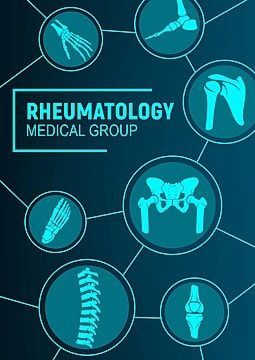
Ph.D. in Rheumatology
Ph.D. in Rheumatology focuses on advanced research in the diagnosis, treatment, and management of autoimmune and inflammatory diseases that affect the joints, muscles, and bones. This program typic...
Ph.D. in Rheumatology
×Ph.D. in Rheumatology focuses on advanced research in the diagnosis, treatment, and management of autoimmune and inflammatory diseases that affect the joints, muscles, and bones. This program typically spans 3 - 5 years and involves rigorous academic coursework, clinical training, and hands-on research in molecular biology, immunology, and disease pathophysiology. Students contribute to the development of new treatments and diagnostic techniques for conditions such as rheumatoid arthritis, lupus, and osteoarthritis. Graduates can pursue careers in academia, research institutes, or clinical practice, specializing in rheumatologic conditions and contributing to medical advancements in this field.
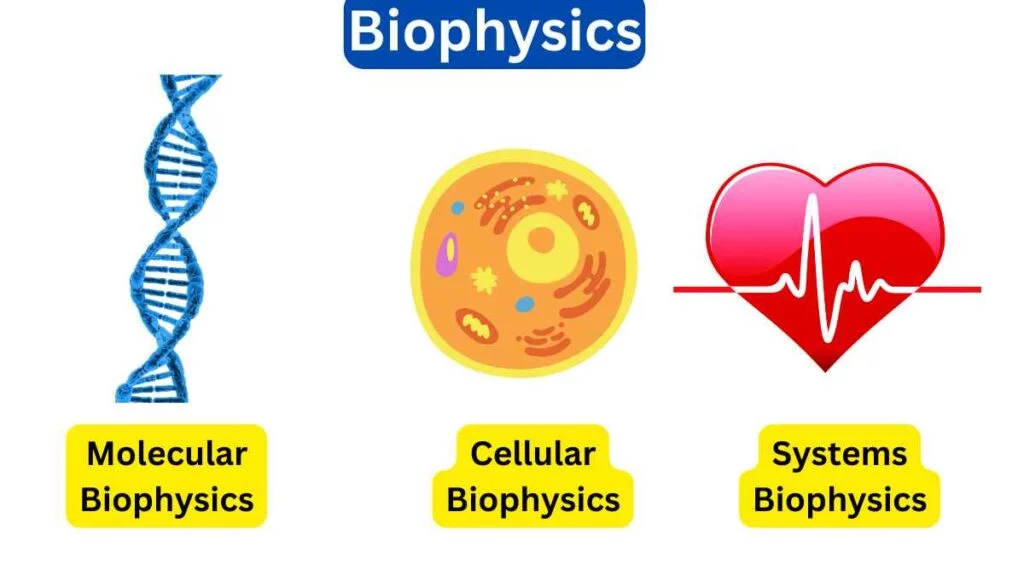
Ph.D. in Biophysics
Biophysics Ph.D.s are doctoral degrees that typically take 4 - 6 years to achieve. It entails a thorough investigation of the physical concepts that underlie biological systems and operations....
Ph.D. in Biophysics
×Biophysics Ph.D.s are doctoral degrees that typically take 4 - 6 years to achieve. It entails a thorough investigation of the physical concepts that underlie biological systems and operations. Topics covered in the coursework include physics, biochemistry, molecular biology, and mathematical methods for computation. A doctoral dissertation that substantially enhances the subject of biophysics is defended at the program's conclusion, along with novel research. Academics, research institutes, biotechnology firms, and government departments may recruit Ph.D. graduates in biophysics to further advance our understanding of living systems.
Ph.D. in Epidemiology
A Ph.D. in Epidemiology is typically a 4-6 year program that provides advanced training in the study of the distribution, determinants, and control of health-related states and events in population...
Ph.D. in Epidemiology
×A Ph.D. in Epidemiology is typically a 4-6 year program that provides advanced training in the study of the distribution, determinants, and control of health-related states and events in populations. Biostatistics, study design, disease surveillance, risk factor analysis, and the application of epidemiological research to public health practice are among the subjects covered in the program. In order to further the scientific understanding of disease patterns, the efficacy of therapies, and the creation of evidence-based policies, students frequently collaborate with government agencies, healthcare organizations, or international health authorities to perform original research. Graduates of this program are equipped for jobs in academia, international development organizations, pharmaceutical research, public health agencies, and healthcare administration, where they may use their knowledge of epidemiology to enhance population health, guide decision-making, and address global health challenges.

Ph.D. in Preventive Medicine
Ph.D. in Preventive Medicine is a research-oriented program that focuses on the development and implementation of disease prevention techniques, health promotion, and quality of life improvement. T...
Ph.D. in Preventive Medicine
×Ph.D. in Preventive Medicine is a research-oriented program that focuses on the development and implementation of disease prevention techniques, health promotion, and quality of life improvement. The program typically lasts 3-5 years and incorporates topics such as epidemiology, public health, biostatistics, health policy, and behavioral science. Students conduct research on issues such as illness prevention, immunization programs, chronic disease management, environmental health, and health promotion. Graduates go on to work in academia, public health research, government agencies, healthcare institutions, and non-governmental organizations, designing, implementing, and assessing public health interventions. Admission normally needs a Master's degree in public health, medicine, or a similar discipline, as well as good research and analytical skills.

Ph.D. in Cardiovascular Thoracic Surgery
Ph.D. in Cardiovascular Thoracic Surgery is a highly specialized research program that focuses on the surgical treatment of heart and lung disorders, investigating both clinical and experimental ap...
Ph.D. in Cardiovascular Thoracic Surgery
×Ph.D. in Cardiovascular Thoracic Surgery is a highly specialized research program that focuses on the surgical treatment of heart and lung disorders, investigating both clinical and experimental approaches to cardiovascular and thoracic conditions. The curriculum, which typically lasts 3-5 years, includes research into surgical procedures, medical equipment, cardiovascular physiology, regenerative medicine, and post-operative care. Students conduct innovative research on topics such as heart transplantation, minimally invasive surgery, cardiac regeneration, and pulmonary disease treatments. Graduates pursue positions in academic research, clinical practice, or the medical device and healthcare industries. Admission normally requires a relevant medical degree (MD or MBBS) or a Master's degree in biomedical sciences, as well as clinical experience and a strong research interest.

Ph.D. in Endocrinology
Ph.D. in Endocrinology is a research-oriented program that investigates hormones, glands, and the role of the endocrine system in health and disease. The program, which typically lasts 3-5 years, i...
Ph.D. in Endocrinology
×Ph.D. in Endocrinology is a research-oriented program that investigates hormones, glands, and the role of the endocrine system in health and disease. The program, which typically lasts 3-5 years, includes extensive research on areas like as diabetes, thyroid disorders, reproductive endocrinology, and metabolic diseases. Students often learn knowledge of molecular biology, biochemistry, physiology, and clinical endocrinology through laboratory activities and clinical research. Graduates pursue positions in academia, biomedical research, clinical endocrinology, and the pharmaceutical sector. Admission normally requires a Master's degree in biology, biochemistry, or a related discipline, as well as a solid understanding of research technique.
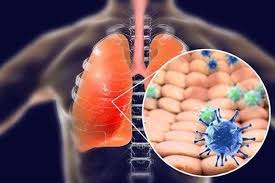
Ph.D. in Allergy and Infectious Diseases
Ph.D. in Allergy and Infectious Diseases is a research-based program that focuses on studying how the immune system responds to diseases and allergens. The program, which normally lasts 3-5 years,...
Ph.D. in Allergy and Infectious Diseases
×Ph.D. in Allergy and Infectious Diseases is a research-based program that focuses on studying how the immune system responds to diseases and allergens. The program, which normally lasts 3-5 years, includes courses in immunology, microbiology, molecular biology, and clinical medicine. Students study the processes of allergies, infectious diseases, and immunological responses, including host-pathogen interactions, vaccination, antimicrobial resistance, and immune treatments. Research encompasses both basic science and clinical applications. Graduates pursue positions in academia, pharmaceuticals, public health, or clinical research, helping to promote disease prevention, vaccine development, and therapeutic interventions. Admission requires a solid background in biological sciences.

Ph.D. in Applied Medical Biology
Ph.D. in Applied Medical Biology is a research-intensive program that studies the interaction of biology and medicine. It encompasses molecular biology, immunology, genetics, pathology, and medical...
Ph.D. in Applied Medical Biology
×Ph.D. in Applied Medical Biology is a research-intensive program that studies the interaction of biology and medicine. It encompasses molecular biology, immunology, genetics, pathology, and medical technologies, with an emphasis on translating laboratory findings into clinical applications. The curriculum normally lasts 3-5 years and includes coursework, laboratory research, and a doctoral dissertation. Students develop knowledge of experimental methodologies, bioinformatics, and regulatory practices in medical research. Cancer biology, medication development, stem cell research, and customized medicine are all potential specializations. Graduates work in academics, pharmaceuticals, biotechnology, clinical research, and healthcare innovation. Admission frequently requires a relevant Master's degree or equivalent.

Ph.D. in Aviatrion Medicine
Ph.D. in Aviation Medicine is a 3-5 year research program that investigates the medical and physiological issues that individuals in aviation, such as pilots, aircrew, and passengers, experience. I...
Ph.D. in Aviatrion Medicine
×Ph.D. in Aviation Medicine is a 3-5 year research program that investigates the medical and physiological issues that individuals in aviation, such as pilots, aircrew, and passengers, experience. It combines medicine, physiology, psychology, and engineering to investigate how flying affects human health, such as altitude sickness, hypoxia, weariness, and the impact of G-forces. The course also includes aerospace physiology, aviation safety, air traffic control, and the management of medical disorders in aviation settings. Students do research to improve flight safety, human performance, and medical risk management in aviation. Graduates can work in research, aerospace medicine, aviation safety, regulatory agencies, and healthcare institutions, helping to improve the health and well-being of those in the aviation industry.
Ph.D. in Cardiology
Ph.D. in Cardiology is a 4-6 year research program that focuses on heart disease, cardiovascular systems, and related problems. It brings together clinical cardiology, molecular biology, pharmacolo...
Ph.D. in Cardiology
×Ph.D. in Cardiology is a 4-6 year research program that focuses on heart disease, cardiovascular systems, and related problems. It brings together clinical cardiology, molecular biology, pharmacology, and biomedical engineering to investigate the causes of heart disease, diagnostic procedures, and therapeutic approaches. The program discusses heart failure, arrhythmias, coronary artery disease, vascular biology, and cardiac electrophysiology. Students do cutting-edge research in fields such as gene therapy, cardiac imaging, and the development of new medications or devices for heart disease treatment. Graduates can work in academic research, clinical cardiology, the pharmaceutical sector, or healthcare institutions, helping to develop cardiovascular medicine and patient care.
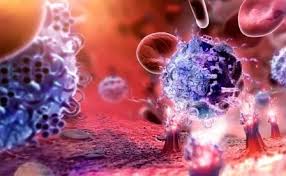
Ph.D. in Clinical Hematology
Ph.D. in Clinical Hematology is a 3-5 year research program that combines clinical medicine, molecular biology, and pathology to study blood disorders and treatments. The program investigates ailme...
Ph.D. in Clinical Hematology
×Ph.D. in Clinical Hematology is a 3-5 year research program that combines clinical medicine, molecular biology, and pathology to study blood disorders and treatments. The program investigates ailments such as anemia, leukemia, lymphoma, coagulation disorders, and hemophilia, with a focus on understanding the molecular and cellular mechanisms underlying these diseases. Students conduct research in diagnostic procedures, therapeutic approaches, blood transfusion medicine, and hematopoiesis (blood cell formation). Graduates develop skills in laboratory research, clinical trials, and patient care. Academic research, clinical hematology, biotechnology, the pharmaceutical sector, and healthcare institutions all offer chances for careers that advance our understanding and treatment of blood problems.

Ph.D. in Clinical Pharmacology
Ph.D. in Clinical Pharmacology is a 3-5 year research-intensive program that studies medications and their effects on human health, mostly in clinical settings. It brings together pharmacology, med...
Ph.D. in Clinical Pharmacology
×Ph.D. in Clinical Pharmacology is a 3-5 year research-intensive program that studies medications and their effects on human health, mostly in clinical settings. It brings together pharmacology, medicine, toxicology, and biochemistry to investigate pharmacological mechanisms, therapeutic efficacy, safety, and customized medicine. The curriculum focuses on drug interactions, pharmacokinetics, pharmacodynamics, clinical trial design, and the development of new medicines. Students investigate regulatory issues, pharmacogenomics, and drug monitoring. Graduates can work in academic research, pharmaceutical firms, regulatory agencies, or clinical practice, helping to develop drug therapies, patient safety, and medical treatments.

Ph.D. in Venerology
Ph.D. in Venereology is a 3-5 year research-oriented program that specializes in the study of sexually transmitted infections (STIs) and related illnesses. The curriculum combines clinical medicine...
Ph.D. in Venerology
×Ph.D. in Venereology is a 3-5 year research-oriented program that specializes in the study of sexually transmitted infections (STIs) and related illnesses. The curriculum combines clinical medicine, microbiology, immunology, epidemiology, and public health to investigate the prevention, diagnosis, treatment, and management of sexually transmitted infections such as HIV/AIDS, syphilis, gonorrhea, and chlamydia. Students investigate the molecular mechanisms of infection, antibiotic resistance, diagnostic procedures, and public health measures for STI control. Graduates acquire experience in clinical research, epidemiology, and healthcare treatments. Academic research, public health groups, healthcare facilities, and the pharmaceutical business all offer prospects for advancements in STI prevention, treatment, and education.

Ph.D. in Diabetology
Ph.D. in Diabetology is a 3-5 year research-intensive program devoted to the study of diabetes mellitus, its pathogenesis, and novel treatment options. The program combines endocrinology, molecular...
Ph.D. in Diabetology
×Ph.D. in Diabetology is a 3-5 year research-intensive program devoted to the study of diabetes mellitus, its pathogenesis, and novel treatment options. The program combines endocrinology, molecular biology, clinical medicine, and public health to investigate the origins, treatment, and prevention of Type 1 and Type 2 diabetes. Students do research on insulin resistance, glucose metabolism, diabetic complications, and the development of novel therapeutics such as gene therapy and personalized medicine. Graduates learn about clinical trials, data analysis, and diabetes-related healthcare policies. Career prospects include academic research, clinical practice, healthcare facilities, and the pharmaceutical business, which contribute to breakthroughs in diabetes care and prevention.

Ph.D. in Family Medicine
Ph.D. in Family Medicine is a 3-5 year research-focused program that prepares students to investigate and enhance the delivery of primary care in family practice. It brings together clinical medici...
Ph.D. in Family Medicine
×Ph.D. in Family Medicine is a 3-5 year research-focused program that prepares students to investigate and enhance the delivery of primary care in family practice. It brings together clinical medicine, public health, behavioral sciences, and healthcare policy to investigate the efficacy of family-centered care, illness prevention, and chronic condition treatment. The program prioritizes research into healthcare systems, patient-provider relationships, community health, and health inequities. Students learn about qualitative and quantitative research methods, clinical practices, and healthcare innovation. Graduates can pursue employment in academic research, healthcare facilities, policy analysis, or as leaders in primary care and public health groups, all of which contribute to the advancement of family medicine.

Ph.D. in Geriatrics
Ph.D. in Geriatrics is a 4-6 year study program that investigates the physical, psychological, and social aspects of aging. It brings together disciplines such as gerontology, clinical medicine, ps...
Ph.D. in Geriatrics
×Ph.D. in Geriatrics is a 4-6 year study program that investigates the physical, psychological, and social aspects of aging. It brings together disciplines such as gerontology, clinical medicine, psychology, public health, and social sciences to address age-related diseases, healthcare delivery for older persons, and aging policies. The program focuses on research into dementia, frailty, osteoporosis, and chronic disorders in older adults. Students undertake research on ways to improve quality of life, healthcare interventions, and healthy aging. Graduates can work in academic research, healthcare institutions, public health organizations, or policy development, all of which help to promote the health and well-being of the elderly.
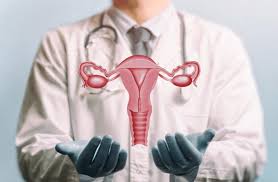
Ph.D. in Gynecological Oncology
Ph.D. in Gynecological Oncology is a 4-6 year research program that focuses on tumors of the female reproductive system, such as ovarian, cervical, uterine, and vulvar cancer. The program brings to...
Ph.D. in Gynecological Oncology
×Ph.D. in Gynecological Oncology is a 4-6 year research program that focuses on tumors of the female reproductive system, such as ovarian, cervical, uterine, and vulvar cancer. The program brings together oncology, gynecology, molecular biology, and medical research to investigate cancer causation, early diagnosis, and treatment options. Students conduct research on cancer genetics, targeted medicines, immunotherapy, and clinical trial design. The course also covers surgical techniques and improvements in diagnostic methods including imaging and biomarkers. Graduates can work in academic research, clinical oncology, pharmaceutical businesses, or healthcare institutions, helping to promote cancer prevention, treatment, and patient care.

Ph.D. in Health Administration
Ph.D. in Health Administration is a 4-6 year research-focused program that prepares individuals for leadership roles in healthcare organizations, with an emphasis on healthcare system management, p...
Ph.D. in Health Administration
×Ph.D. in Health Administration is a 4-6 year research-focused program that prepares individuals for leadership roles in healthcare organizations, with an emphasis on healthcare system management, policy, and economics. It brings together disciplines such as business administration, public health, health policy, and organizational management to solve issues in healthcare delivery, finance, quality improvement, and patient outcomes. Students perform research in healthcare systems, health informatics, strategic management, and policy development. Graduates develop advanced skills in data analysis, organizational leadership, and healthcare innovation. Academic positions, healthcare administration, policy analysis, and leadership roles in hospitals, public health organizations, and healthcare consulting firms are all viable career options.
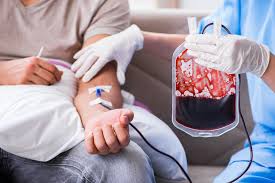
Ph.D. in Hematology and Blood Transfusion
Ph.D. in Hematology and Blood Transfusion is a research-intensive program lasting 3-5 years that focuses on blood disorders, blood cell biology, and blood transfusion science. The curriculum combin...
Ph.D. in Hematology and Blood Transfusion
×Ph.D. in Hematology and Blood Transfusion is a research-intensive program lasting 3-5 years that focuses on blood disorders, blood cell biology, and blood transfusion science. The curriculum combines hematology, immunology, molecular biology, and clinical laboratory techniques to investigate diseases such as anemia, leukemia, coagulation abnormalities, and transfusion responses. Students perform research on blood cell formation, blood component therapy, hemoglobinopathies, and the creation of safer transfusion protocols. Graduates develop skills in diagnostic methodologies, blood bank management, and therapeutic approaches. Academic research, clinical laboratories, blood banks, and the biotechnology or pharmaceutical sectors all provide career options that contribute to breakthroughs in transfusion medicine and hematology.

Ph.D. in Immunohematology and Blood Transfusion
Ph.D. in Immunohematology and Blood Transfusion is a 3-5 year research program that focuses on the science of blood transfusion, blood group systems, and immunological responses to transfusion ther...
Ph.D. in Immunohematology and Blood Transfusion
×Ph.D. in Immunohematology and Blood Transfusion is a 3-5 year research program that focuses on the science of blood transfusion, blood group systems, and immunological responses to transfusion therapy. The program combines immunology, hematology, molecular biology, and clinical laboratory science to cover issues such as blood compatibility, transfusion medicine, hemolytic responses, and blood bank management. Students perform research into safer transfusion techniques, advances in blood component therapy, and the genetics of blood group antigens. Graduates can work in academic research, blood banks, clinical laboratories, or the biotechnology business, helping to develop transfusion medicine and blood safety.

Ph.D. in Industrial and Environment Hygiene
Ph.D. in Industrial and Environmental Hygiene is a 4-6 year research program that focuses on identifying, assessing, and controlling environmental and occupational health hazards. It combines toxic...
Ph.D. in Industrial and Environment Hygiene
×Ph.D. in Industrial and Environmental Hygiene is a 4-6 year research program that focuses on identifying, assessing, and controlling environmental and occupational health hazards. It combines toxicology, environmental science, industrial safety, and public health to investigate topics such as air and water quality, chemical exposure, workplace safety, and waste management. The initiative prioritizes research on exposure assessment, risk assessments, control technology, and regulatory strategies. Students develop skills in environmental monitoring, danger prevention, and sustainable practices. Graduates can work in academia, government agencies, environmental consultancy, industrial hygiene, and public health, helping to create safer workplaces and raise environmental health standards.
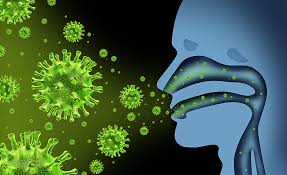
Ph.D. in Infectious Disease
Ph.D. in Infectious Disease is a 3-5 year research program focused on viruses, their transmission, and the immunological responses they elicit in people. It employs microbiology, immunology, molecu...
Ph.D. in Infectious Disease
×Ph.D. in Infectious Disease is a 3-5 year research program focused on viruses, their transmission, and the immunological responses they elicit in people. It employs microbiology, immunology, molecular biology, and epidemiology to investigate diseases caused by bacteria, viruses, fungus, and parasites. The initiative prioritizes research on disease causes, antibiotic resistance, vaccine development, diagnostics, and public health interventions. Students develop skills in laboratory procedures, clinical research, and epidemiological study design. Graduates can work in academic research, public health organizations, pharmaceutical companies, and government agencies, helping to advance illness prevention, diagnostic, and treatment procedures.

Ph.D. in Laboratory Medicine
Ph.D. in Laboratory Medicine is a 4-6 year research-intensive degree that focuses on developing and applying laboratory techniques for illness diagnosis and monitoring. It combines clinical medicin...
Ph.D. in Laboratory Medicine
×Ph.D. in Laboratory Medicine is a 4-6 year research-intensive degree that focuses on developing and applying laboratory techniques for illness diagnosis and monitoring. It combines clinical medicine, biochemistry, molecular biology, and pathology to investigate numerous diagnostic methods and technologies, such as blood tests, microbiology, and immunoassays. The initiative prioritizes research into improving diagnosis accuracy, creating novel biomarkers, and improving laboratory procedures. Students develop skills in laboratory management, quality control, and diagnostic innovation. Graduates can work in academic research, healthcare institutions, biotechnology, pharmaceuticals, or public health organizations, helping to develop medical diagnosis and patient treatment.
Ph.D. in Medical Epidemiology
Ph.D. in Medical Epidemiology is a 3-5 year research program that studies the distribution, causes, and control of diseases in populations. It combines statistical analysis, public health, and clin...
Ph.D. in Medical Epidemiology
×Ph.D. in Medical Epidemiology is a 3-5 year research program that studies the distribution, causes, and control of diseases in populations. It combines statistical analysis, public health, and clinical medicine to better understand disease transmission, intervention efficacy, and health inequities. The program addresses topics such as illness prevention, outbreak investigation, risk factors, and epidemiological study design. Students develop skills in data analysis, biostatistics, epidemiological modeling, and research procedures. Graduates can work in academia, government health agencies, public health groups, or the pharmaceutical business, helping to prevent disease, develop health policies, and promote global health.

Ph.D. in Medical Gastroentrology
Ph.D. in Medical Gastroenterology is a 4-6 year research program that focuses on the digestive tract and its illnesses. It combines clinical gastroenterology, molecular biology, immunology, and pat...
Ph.D. in Medical Gastroentrology
×Ph.D. in Medical Gastroenterology is a 4-6 year research program that focuses on the digestive tract and its illnesses. It combines clinical gastroenterology, molecular biology, immunology, and pathology to investigate disorders such as inflammatory bowel disease (IBD), liver illnesses, colorectal cancer, gastrointestinal infections, and gut microbiota. The program focuses on illness processes, new diagnostic tools, treatment strategies, and advances in endoscopic procedures. Students develop knowledge of clinical trials, molecular diagnostics, and gastrointestinal physiology. Graduates can work in academic research, healthcare institutions, pharmaceuticals, and biotechnology, helping to advance digestive health and patient care.

Ph.D. in Medical Immunology
Ph.D. in Medical Immunology is a 3-5 year research-intensive program that researches the immune system and its function in human health and illness. The curriculum combines immunology, microbiology...
Ph.D. in Medical Immunology
×Ph.D. in Medical Immunology is a 3-5 year research-intensive program that researches the immune system and its function in human health and illness. The curriculum combines immunology, microbiology, molecular biology, and pathology to study immune responses to infections, cancer, autoimmune illnesses, and immunodeficiency. Students do cutting-edge research on issues such as immunological control, immunotherapy, vaccine development, and immune system illnesses. They gain experience in laboratory procedures like flow cytometry, ELISA, and cell culture. Graduates can pursue professions in academic research, biotechnology, pharmaceuticals, and public health, helping to enhance immunological treatments and therapies.

Ph.D. in Medical Neurology
Ph.D. in Medical Neurology is a 4-6 year research-focused program dedicated to studying the nervous system and its disorders. It combines clinical neurology, molecular biology, neuroimmunology, and...
Ph.D. in Medical Neurology
×Ph.D. in Medical Neurology is a 4-6 year research-focused program dedicated to studying the nervous system and its disorders. It combines clinical neurology, molecular biology, neuroimmunology, and neurophysiology to explore diseases such as Alzheimer's, Parkinson's, epilepsy, stroke, and neurodegenerative conditions. The program emphasizes research on disease mechanisms, biomarkers, neuroplasticity, and novel therapeutic approaches. Students gain expertise in diagnostic techniques, neuroimaging, and clinical trials, contributing to advancements in neurology and patient care. Graduates can pursue careers in academic research, clinical practice, pharmaceutical companies, and healthcare institutions, advancing the understanding and treatment of neurological diseases.

Ph.D. in Medical Parasitology
Ph.D. in Medical Parasitology is a 3-5 year research program focused on parasites that affect human health. The curriculum brings together parasitology, microbiology, immunology, and molecular biol...
Ph.D. in Medical Parasitology
×Ph.D. in Medical Parasitology is a 3-5 year research program focused on parasites that affect human health. The curriculum brings together parasitology, microbiology, immunology, and molecular biology to investigate the biology, pathophysiology, and transmission of parasitic illnesses such malaria, leishmaniasis, and schistosomiasis. Students learn about diagnostic procedures, parasite-host relations, epidemiology, and the development of new therapies and vaccinations. Drug resistance, vector control, and new parasitic illnesses are all potential research fields. Graduates can work in academia, public health, pharmaceutical businesses, or international health organizations, helping to develop parasitic disease prevention and treatment.

Ph.D. in Medical Statistics
Ph.D. in Medical Statistics is a 3-5 year research-intensive program that focuses on using statistical approaches in medical and clinical research. It integrates advanced statistical theory with re...
Ph.D. in Medical Statistics
×Ph.D. in Medical Statistics is a 3-5 year research-intensive program that focuses on using statistical approaches in medical and clinical research. It integrates advanced statistical theory with real-world applications in health data analysis, clinical trials, epidemiology, and public health research. The program includes topics such as survival analysis, bioinformatics, statistical modeling, clinical trial design, and complex health data interpretation. Students learn statistical tools, experimental design, and data analysis procedures, which help to advance evidence-based medicine and healthcare decision-making. Graduates can work in academia, government agencies, healthcare institutes, and pharmaceutical firms, improving statistical methods in medical research.
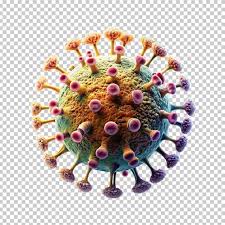
Ph.D. in Medical Virology
Ph.D. in Medical Virology is a 3-5 year research program with an emphasis on viruses that affect human health. It uses molecular biology, microbiology, immunology, and epidemiology to investigate v...
Ph.D. in Medical Virology
×Ph.D. in Medical Virology is a 3-5 year research program with an emphasis on viruses that affect human health. It uses molecular biology, microbiology, immunology, and epidemiology to investigate viral pathogenesis, replication, and transmission. The curriculum focuses on topics such as viral infections, antiviral medicines, vaccine development, and diagnostic technologies. Students become proficient in virology techniques such as PCR, sequencing, and viral culture while doing research on viral diseases such as HIV, hepatitis, influenza, and new viruses such as COVID 19. Graduates can work in academia, public health, pharmaceutical businesses, or government research groups to improve the understanding and treatment of viral diseases.

Ph.D. in Medicine Entemology
Ph.D. in Medical Entomology is a 3-5 year research program that focuses on insects and arthropods that affect human health. It combines entomology, epidemiology, parasitology, and molecular biology...
Ph.D. in Medicine Entemology
×Ph.D. in Medical Entomology is a 3-5 year research program that focuses on insects and arthropods that affect human health. It combines entomology, epidemiology, parasitology, and molecular biology, focusing on vector-borne diseases such as malaria, dengue, Zika, and Lyme disease. The course covers vector ecology, pathogen transmission, insect physiology, and management measures. Students perform research on novel vector control strategies, pesticide resistance, and illness prevention. Graduates work in academic research, public health organizations, and the biotechnology industry, helping to control and manage vector-borne diseases, improve global health outcomes, and develop disease prevention techniques.

Ph.D. in Nephrology
Ph.D. in Nephrology is a 3-5 year research program that focuses on kidney function, illness, and treatment. It combines nephrology, molecular biology, and clinical research, with focus areas on chr...
Ph.D. in Nephrology
×Ph.D. in Nephrology is a 3-5 year research program that focuses on kidney function, illness, and treatment. It combines nephrology, molecular biology, and clinical research, with focus areas on chronic kidney disease, renal physiology, dialysis, transplantation, and glomerulonephritis. The initiative focuses on increasing expertise in molecular diagnostics, biomarker development, and novel treatments for kidney illnesses. Students perform research on pathophysiological causes, new therapeutic techniques, and prevention strategies. Graduates can work in academic research, clinical practice, pharmaceutical development, and public health, helping to improve kidney disease diagnosis, management, and patient care.
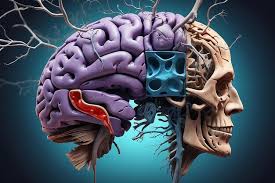
Ph.D. in Neuropathology
Ph.D. in Neuropathology is a 4-6 year research-focused program specializing in the study of nervous system diseases at the cellular and molecular levels. It combines pathology, neuroscience, and mo...
Ph.D. in Neuropathology
×Ph.D. in Neuropathology is a 4-6 year research-focused program specializing in the study of nervous system diseases at the cellular and molecular levels. It combines pathology, neuroscience, and molecular biology to investigate brain and spinal cord disorders like tumors, neurodegenerative diseases (e.g., Alzheimer's, Parkinson's), and infections. The curriculum emphasizes techniques in histopathology, immunohistochemistry, molecular diagnostics, and neuroimaging. Students conduct research on disease mechanisms, biomarkers, and potential therapeutic targets. Graduates can pursue careers in academic research, clinical neuropathology, and the biotech industry, contributing to advancements in diagnosing, understanding, and treating complex neurological conditions.
4o
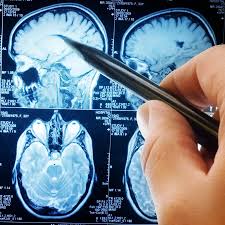
Ph.D. in Neuroradiology
Ph.D. in Neuroradiology is a 3-5 year research program that focuses on sophisticated imaging techniques for diagnosing and treating neurological illnesses. It combines radiology, neurology, and med...
Ph.D. in Neuroradiology
×Ph.D. in Neuroradiology is a 3-5 year research program that focuses on sophisticated imaging techniques for diagnosing and treating neurological illnesses. It combines radiology, neurology, and medical physics, focusing on MRI, CT, PET, and angiography. The program covers topics such as neuro-oncology, stroke imaging, and neurovascular treatments in order to improve diagnostic accuracy and therapy planning. Students perform research on innovative imaging techniques, image-guided therapeutics, and radiotracers. Graduates go on to work in academic research, clinical neuroradiology, and the pharmaceutical business, where they help to advance brain imaging, minimally invasive procedures, and neurological illness management.

Ph.D. in Neurosurgery
Ph.D. in Neurosurgery is a 4-6 year degree that focuses on research and examines cutting-edge surgical methods and therapies for conditions affecting the brain and spine. With a focus on fields inc...
Ph.D. in Neurosurgery
×Ph.D. in Neurosurgery is a 4-6 year degree that focuses on research and examines cutting-edge surgical methods and therapies for conditions affecting the brain and spine. With a focus on fields including spinal surgery, functional neurosurgery, and neuro-oncology, it combines neuroanatomy, neurophysiology, and neuropathology. In order to improve patient outcomes, students acquire expertise in clinical research, surgical advancements (endoscopy, microsurgery), and neuroimaging (MRI, CT). Graduates of the curriculum are prepared for positions in the pharmaceutical and medical device industry, clinical practice as neurosurgeon-scientists, and academic research. It is perfect for anyone who want to help improve patient care, neurosurgical procedures, and the treatment of neurological diseases.
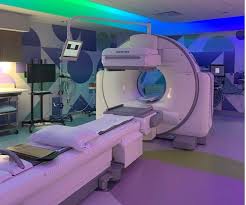
Ph.D. in Nuclear Medicine
Ph.D. in nuclear medicine is a 3-5 year program that focuses on research and examines the use of radioactive materials in disease diagnosis and treatment. To create novel radiopharmaceuticals, imag...
Ph.D. in Nuclear Medicine
×Ph.D. in nuclear medicine is a 3-5 year program that focuses on research and examines the use of radioactive materials in disease diagnosis and treatment. To create novel radiopharmaceuticals, imaging methods (PET, SPECT, CT), and targeted radionuclide treatments, it combines molecular biology, chemistry, medical physics, and radiology. The program places a strong emphasis on research in neurology, cardiology, and oncology with the goal of improving treatment efficacy and diagnostic accuracy. Students become proficient in advanced medical imaging, radiation safety, and dosimetry. Graduates can work in academia, clinical research, pharmaceutical development, and regulatory positions, all of which contribute to cutting-edge improvements in patient care and medical diagnostics.
4o
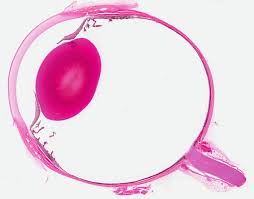
Ph.D. in Occular Pathology
Ph.D. in Ocular Pathology is a specialized research degree that investigates eye illnesses and their underlying causes at the cellular and molecular levels. This curriculum, which typically lasts 3...
Ph.D. in Occular Pathology
×Ph.D. in Ocular Pathology is a specialized research degree that investigates eye illnesses and their underlying causes at the cellular and molecular levels. This curriculum, which typically lasts 3-5 years, provides advanced instruction in eye pathology, encompassing diseases like glaucoma, retinal problems, and ocular malignancies. Students do research to improve diagnostic tools, create new treatments, and better understand the genetic and environmental factors that cause eye illnesses. Graduates are prepared for jobs in academic research, clinical practice, and healthcare innovation, helping to promote the prevention, diagnosis, and treatment of ocular disorders.
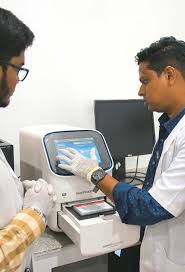
Ph.D. in Oncomedicine
Ph.D. in Oncomedicine is a specialized research degree that studies cancer biology, therapy, and prevention. The course of study typically lasts 3 to 5 years and provides advanced training in oncol...
Ph.D. in Oncomedicine
×Ph.D. in Oncomedicine is a specialized research degree that studies cancer biology, therapy, and prevention. The course of study typically lasts 3 to 5 years and provides advanced training in oncology, molecular medicine, cancer treatments, and clinical trials. Students do pioneering research to better understand cancer at the cellular level, discover new treatment techniques, and enhance patient outcomes. The program also includes immunotherapy, precision medicine, and the molecular processes of cancer progression. Graduates are equipped to work in academic research, clinical oncology, and healthcare innovation, furthering the fight against cancer with novel medicines and diagnostic procedures.
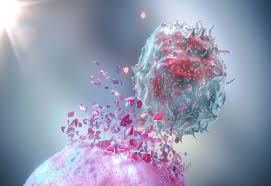
Ph.D. in Oncopathology
A Ph.D. in Oncopathology is a research-oriented program that studies cancer at the cellular and molecular levels, with a focus on cancer pathology. This curriculum, which typically lasts three to f...
Ph.D. in Oncopathology
×A Ph.D. in Oncopathology is a research-oriented program that studies cancer at the cellular and molecular levels, with a focus on cancer pathology. This curriculum, which typically lasts three to five years, offers advanced instruction in tumor biology, cancer diagnostics, molecular pathology, and cancer therapy techniques. Students conduct research to better understand the mechanics of cancer development, find biomarkers, and improve diagnostic and therapeutic techniques. Graduates are equipped for jobs in academic research, clinical pathology, and cancer treatment innovation, which will help to advance cancer detection, diagnosis, and individualized therapy.
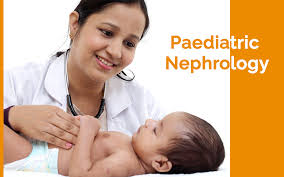
Ph.D. in Paediatric Nephrology
Ph.D. in Pediatric Nephrology is a specialized research program focused on the study of kidney illnesses and disorders in children. This curriculum, which typically lasts 3-5 years, includes e...
Ph.D. in Paediatric Nephrology
×Ph.D. in Pediatric Nephrology is a specialized research program focused on the study of kidney illnesses and disorders in children. This curriculum, which typically lasts 3-5 years, includes extensive training in pediatric nephrology, including the diagnosis, treatment, and management of illnesses such as congenital kidney abnormalities, nephrotic syndrome, and chronic kidney disease. Students perform research to expand their understanding of juvenile renal function, investigate novel treatments, and improve patient outcomes. Graduates are prepared to work in academic research, clinical practice, and healthcare innovation, helping to discover improved therapies and interventions for children with kidney-related health concerns.
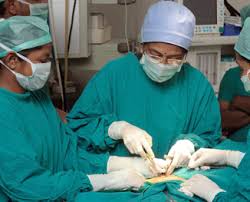
Ph.D. in Paediatric Surgery
A Ph.D. in Paediatric Surgery is a graduate research degree that emphasizes the surgical treatment of newborns, children, and adolescents who have congenital or acquired surgical disorders. The pro...
Ph.D. in Paediatric Surgery
×A Ph.D. in Paediatric Surgery is a graduate research degree that emphasizes the surgical treatment of newborns, children, and adolescents who have congenital or acquired surgical disorders. The program, which typically lasts 3 to 5 years, teaches pediatric surgical procedures, neonatal surgery, and how to manage various pediatric disorders. Students participate in research aimed at improving surgical results, developing novel medicines, and improving recovery protocols for young patients. Graduates are prepared for employment in academic research, specialized clinical practice, and healthcare innovation, helping to develop pediatric surgery and improve the care and well-being of children undergoing surgical procedure.

Ph.D. in Pharmaceutical Medicine
Ph.D. in Pharmaceutical Medicine is a specialized research degree that focuses on drug development, regulation, and clinical use. This 3-5 year program integrates pharmacology, toxicology, clinical...
Ph.D. in Pharmaceutical Medicine
×Ph.D. in Pharmaceutical Medicine is a specialized research degree that focuses on drug development, regulation, and clinical use. This 3-5 year program integrates pharmacology, toxicology, clinical trials, drug safety, and regulatory affairs. Students do advanced research on drug development procedures, clinical efficacy, patient safety, and novel therapeutic approaches. Graduates are prepared to work in pharmaceutical research, regulatory bodies, clinical development, and healthcare policy, helping to advance drug therapies, improve healthcare delivery, and ensure the safe and effective use of medications in the treatment of a variety of diseases.

Ph.D. in Physical Medicine
Ph.D. in Physical Medicine is a research-oriented program that looks into the prevention, diagnosis, and treatment of physical impairments and musculoskeletal diseases. This curriculum, which typic...
Ph.D. in Physical Medicine
×Ph.D. in Physical Medicine is a research-oriented program that looks into the prevention, diagnosis, and treatment of physical impairments and musculoskeletal diseases. This curriculum, which typically lasts 3-5 years, involves extensive training in physical therapy, neurorehabilitation, pain management, and functional recovery for patients with chronic diseases or accidents. Students do research to discover new therapies, optimize rehabilitation practices, and improve patient outcomes in physical medicine. Graduates are prepared for jobs in academic research, clinical practice, and healthcare innovation, which will help to advance rehabilitation science and improve the quality of life for individuals with physical disabilities.

Ph.D. in Social Medicine
Ph.D. in Social Medicine is a graduate research degree that focuses on the social, economic, and cultural aspects that influence public health and healthcare systems. This curriculum, which typical...
Ph.D. in Social Medicine
×Ph.D. in Social Medicine is a graduate research degree that focuses on the social, economic, and cultural aspects that influence public health and healthcare systems. This curriculum, which typically lasts 3-5 years, provides intensive training in epidemiology, health policy, socioeconomic determinants of health, and community health interventions. Students undertake research to address health inequities, improve healthcare access, and develop policies that promote health equity. Graduates are prepared to work in academic research, public health, and policymaking, helping to improve health systems and advocating community-based ways to reduce health disparities and increase general population health.

Ph.D. in Pulmonary Medicine
Ph.D. in Pulmonary Medicine is a specialized research degree focused on the study of respiratory diseases, lung function, and treatment innovations. Generally lasting 3 to 5 years, this program inv...
Ph.D. in Pulmonary Medicine
×Ph.D. in Pulmonary Medicine is a specialized research degree focused on the study of respiratory diseases, lung function, and treatment innovations. Generally lasting 3 to 5 years, this program involves advanced training in pulmonology, respiratory physiology, critical care, and disease management for conditions like asthma, COPD, and pulmonary fibrosis. Students undertake original research, often focusing on improving diagnostic techniques, developing new therapies, and enhancing patient care for respiratory conditions. Graduates are equipped for careers in academic research, clinical advancements, and healthcare leadership, contributing to better understanding and treatment of pulmonary diseases and improving respiratory health outcomes.

Ph.D. in Sports Medicine
Ph.D. in Sports Medicine is a graduate research degree that focuses on improving knowledge in the prevention, diagnosis, and treatment of sports-related injuries. This curriculum, which typically l...
Ph.D. in Sports Medicine
×Ph.D. in Sports Medicine is a graduate research degree that focuses on improving knowledge in the prevention, diagnosis, and treatment of sports-related injuries. This curriculum, which typically lasts 3-5 years, provides rigorous training in biomechanics, exercise physiology, rehabilitation, and injury prevention. Candidates participate in in-depth research projects aimed at increasing athletic performance, optimizing rehabilitation, and developing innovative injury treatment techniques. Graduates are equipped for jobs in academic research, clinical sports medicine, and athletic healthcare innovation, where they can contribute to advances that benefit athletes' health and performance, such as injury prevention, rehabilitation, and optimal fitness programs.
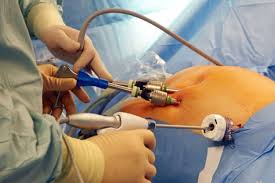
Ph.D. in Surgical Gasteroenterology
Ph.D. in Surgical Gastroenterology is a research-oriented degree that studies advanced surgical techniques for detecting and treating gastrointestinal problems. This curriculum, which typical...
Ph.D. in Surgical Gasteroenterology
× Ph.D. in Surgical Gastroenterology is a research-oriented degree that studies advanced surgical techniques for detecting and treating gastrointestinal problems. This curriculum, which typically lasts 3 to 5 years, includes in-depth studies in hepatobiliary surgery, minimally invasive procedures, gastrointestinal oncology, and transplantation surgery. Candidates conduct original research to improve surgical results, refine procedural procedures, and create novel therapeutic approaches for difficult gastrointestinal disorders. Graduates are well-prepared for jobs in academic research, specialized clinical practice, and healthcare innovation, which will help to improve patient care standards and develop gastrointestinal surgery and therapeutic methods.
Ph.D. in Tropical Medicine
Ph.D. in Tropical Medicine is a research-intensive program focused on understanding and combating diseases prevalent in tropical and subtropical regions. Covering subjects like infectious dis...
Ph.D. in Tropical Medicine
×Ph.D. in Tropical Medicine is a research-intensive program focused on understanding and combating diseases prevalent in tropical and subtropical regions. Covering subjects like infectious diseases, parasitology, immunology, and epidemiology, it emphasizes field-based research and advanced laboratory skills. Candidates often investigate disease transmission, treatment, and prevention in developing nations. The program typically takes 3-5 years to complete, depending on research progress and thesis requirements. Graduates pursue careers in academia, global health organizations, and government agencies, contributing to public health strategies and disease control programs aimed at improving health outcomes in resource-limited areas worldwide.

Ph.D. in Urology
Ph.D. in Urology is a research-intensive doctoral program focused on advanced study and innovation in urology, covering areas like renal physiology, urinary disorders, urologic oncology, and...
Ph.D. in Urology
×Ph.D. in Urology is a research-intensive doctoral program focused on advanced study and innovation in urology, covering areas like renal physiology, urinary disorders, urologic oncology, and minimally invasive surgical techniques. The program typically spans 3-5 years, with the exact duration depending on the institution and the student's research progress. Candidates conduct original research, work closely with clinical urologists, and may contribute to advancements in treatments and patient care. This degree is ideal for those aiming to pursue careers in academic, clinical, or research settings, and it often requires a background in medicine or a related field.

Ph.D. in Viral Epidemiology
Ph.D. in Viral Epidemiology is an advanced research degree focusing on the study of virus transmission, outbreaks, and control strategies within populations. This interdisciplinary program combines...
Ph.D. in Viral Epidemiology
×Ph.D. in Viral Epidemiology is an advanced research degree focusing on the study of virus transmission, outbreaks, and control strategies within populations. This interdisciplinary program combines epidemiology, virology, biostatistics, and public health to equip students with skills in data analysis, disease modeling, and viral ecology. Students conduct in-depth research on viral infection patterns, public health responses, and preventive measures, often collaborating with health organizations and research institutions. Typically, the program lasts 3-5 years, with students completing coursework, comprehensive exams, and a dissertation based on original research, preparing them for roles in academia, government, and public health agencies.
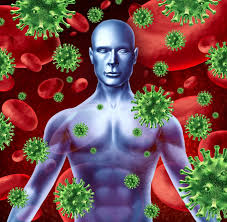
Ph.D. in Viral Immunology
Ph.D. in Viral Immunology is an advanced research-focused program typically lasting 3-5 years, aimed at developing deep expertise in immune responses to viral infections. This interdisciplina...
Ph.D. in Viral Immunology
×Ph.D. in Viral Immunology is an advanced research-focused program typically lasting 3-5 years, aimed at developing deep expertise in immune responses to viral infections. This interdisciplinary program combines virology, immunology, molecular biology, and biochemistry to understand virus-host interactions, viral pathogenesis, and immune mechanisms. Doctoral candidates conduct original research, contribute to scientific publications, and may assist in teaching. Graduates of the program are prepared for careers in academia, biotechnology, pharmaceuticals, and governmental research. Prerequisites usually include a master's degree in a related field, strong analytical skills, and a background in laboratory techniques essential for immunological research.