
Ph.D. in English takes approximately 5-7 years to accomplish, depending on the program and individual progress. This postgraduate degree emphasizes in-depth study of literature, language, and critical theory. Students conduct substantial research, culminating in a PhD dissertation that adds novel knowledge to the discipline. The curriculum frequently includes coursework, extensive tests, and teaching obligations. Specializations may include medieval literature, postcolonial studies, and digital humanities. Graduates get opportunities for positions in academia, publishing, and advanced research. The degree needs a solid basis in literary interpretation, exceptional writing skills, and the capacity to perform independent scholarly research.

Nalanda University
Nalanda University Admission Open
Ph.D. in Sanskrit
Ph.D. in Sanskrit normally takes 4-6 years to finish, depending on the university and the student's prior language experience. This postgraduate degree emphasizes in-depth study of Sanskrit lit...
Ph.D. in Sanskrit
×Ph.D. in Sanskrit normally takes 4-6 years to finish, depending on the university and the student's prior language experience. This postgraduate degree emphasizes in-depth study of Sanskrit literature, language, philosophy, and culture. Students conduct intensive research, frequently concentrating in topics such as Vedic literature, classical poetry, or comparative language. The curriculum typically includes coursework, thorough exams, and a dissertation on an original research topic. Candidates are expected to achieve expert-level competency in reading and interpreting Sanskrit texts, contribute to the subject through publications, and possibly teach. This degree provides various positions in Academic, research, translation, and cultural preservation.
Ph.D. in Yoga
A doctoral degree in Economics takes approximately 4-6 years, depending on the program and individual success. The degree requires advanced study of economic theory, quantitative methods, and speci...
Ph.D. in Yoga
×A doctoral degree in Economics takes approximately 4-6 years, depending on the program and individual success. The degree requires advanced study of economic theory, quantitative methods, and specific subjects such as macroeconomics, microeconomics, econometrics, and development economics. Students complete demanding coursework, thorough tests, and original research, culminating in a PhD dissertation. The curriculum prepares graduates for positions in academia, research institutes, government agencies, and the business sector that require advanced economic analysis. Data analysis, mathematical modeling, critical thinking, and the capacity to independently study complicated economic issues are all important abilities learned.
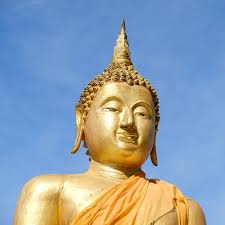
Ph.D. in Buddhist Studies
Ph.D. in Buddhist Studies typically spans 3-5 years, focusing on the historical, philosophical, and cultural dimensions of Buddhism. The program includes coursework on Buddhist texts, me...
Ph.D. in Buddhist Studies
×Ph.D. in Buddhist Studies typically spans 3-5 years, focusing on the historical, philosophical, and cultural dimensions of Buddhism. The program includes coursework on Buddhist texts, meditation practices, and the religion's impact on society and politics. Students engage in independent research, contributing original insights to the field. They often study various schools of thought, including Theravada, Mahayana, and Vajrayana traditions, and may also explore contemporary issues like globalization and interfaith dialogue. Graduates are well-prepared for academic careers, research positions, or roles in religious organizations, NGOs, and cultural institutions, enhancing the understanding of Buddhism's relevance today.
Ph.D. in Philosophy
Ph.D. in Philosophy is an advanced research program focused on the exploration of fundamental questions related to existence, knowledge, ethics, logic, and the mind. Typically lasting 3 to 6 years,...
Ph.D. in Philosophy
×Ph.D. in Philosophy is an advanced research program focused on the exploration of fundamental questions related to existence, knowledge, ethics, logic, and the mind. Typically lasting 3 to 6 years, the program covers various branches of philosophy, including metaphysics, epistemology, ethics, political philosophy, and philosophy of mind. Students engage in deep analysis of classical and contemporary philosophical texts and contribute original research to address unresolved philosophical issues. The program includes seminars, coursework, comprehensive exams, and a dissertation. Graduates often pursue careers in academia, research, publishing, and roles requiring critical thinking and analytical skills in various fields.
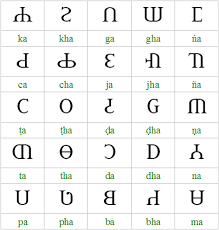
Ph.D. in Pali
Ph.D. in Pali studies the Pali language, its literature, grammar, and its importance in the formation of Buddhist philosophy and writings. The curriculum, which typically lasts 3-5 years...
Ph.D. in Pali
×Ph.D. in Pali studies the Pali language, its literature, grammar, and its importance in the formation of Buddhist philosophy and writings. The curriculum, which typically lasts 3-5 years, integrates instruction in ancient languages, Buddhist studies, comparative linguistics, and textual analysis with original research. Students learn about canonical Pali literature like the Tripitaka, as well as historical, philosophical, and doctrinal aspects of Buddhism. Translations, interpretations, and the impact of Pali literature on South Asian culture are all possible topics for research. Graduates are equipped for positions in academia, research institutions, or religious studies, which will advance the study of Buddhist heritage and languages.
POPULAR COURSES
(D.ED(TCH))
A.N.M.
Acharya - Navyavyakarna
Acharya - Phalita Jyotisha
Acharya - Sanskrit Sahitya
Acharya - Siddhanta Jyotisha
Adobe Photoshop
Advance Certificate Course in Beauty Therapy
Advance Certificate Course in Cosmetology
Advance Certificate Course in Hair Dressing
Advance Certificate Course in Makeup Artistry
Advance certificate Course in Nail Technology
Advance Diploma in Anesthesia Technology
Advance Diploma In Child Guidance And Counselling
Advance Diploma in Dialysis Technology
Advance Diploma in Disciples India
Advance Diploma in Fashion Design & Technology
Advance Diploma in Industrial Safety
Advance Diploma In Insurance Sales
Advance Diploma in Interior Designing
Advance Diploma in Journalism & Mass Communication
Advance Diploma in Medical Lab Technology
Advance Diploma in Operation Theatre Technology
Advance Diploma in Radiology & Imaging Technology
Advance Diploma of Proficiency in French
Advance Diploma of Proficiency in German
Advance Diploma of Proficiency in Russian
Advanced Certificate in Medical Microbiology Laboratory Technology (ACMMLT)
Advanced Certified Software Developer
Advanced Diploma in 3D Printing Technology
Advanced Diploma in Animation
Advanced Diploma in Aviation, Hospitality and Tourism
Advanced Diploma in Computer Application
Advanced Diploma in Computer Software, System Analysis & Application
Advanced Diploma in Data Science
Advanced Diploma in Hardware And Networking
Advanced Diploma in Information Technology
Advanced Diploma in Machine Learning
Advanced Diploma in Multimedia Programming
Advanced Diploma in Networking
Advanced Diploma in Sound Recording Technology
Advanced Diploma in Textile Design
Advanced Diploma in Vastu and Jyotish
Agriculture & Allied Services
Agriculture & Horticulture
Agriculture & Live Stock Production
Agriculture Technology
AHDP Diploma In Animal Husbandry Program
Arogyamitra
Artificial Intelligence And Machine Learning
Automobile Technology
B,Com. in Computer Application
B. Sc. Hons. in Anaesthesia & Operation Theatre Technology
B. Sc. Hons. in Emergency Medical Technology
B. Sc. Hons.in Medical Laboratory Technology
B. Sc. in Hospitality and Tourism Management
B. Tech. in Fisheries Engineering
B. Tech. in Leather technology
B.A. General
B.A. B.Ed.
Popular Stream
State
Andaman and Nicobar Island (UT)
Andaman and Nicobar Islands
Andhra Pradesh
Arunachal Pradesh
Assam
Bihar
Chandigarh
Chandigarh (UT)
Chhattisgarh
Dadra and Nagar
Dadra and Nagar Haveli
Dadra and Nagar Haveli (UT)
Daman and Diu
Daman and Diu (UT)
Delhi
Delhi (NCT)
Donets'k
Goa
Gujarat
Gujarat
Haryana
Himachal Pradesh
Jammu and Kashmir
Jammu and Kashmir(UT)
Jharkhand
jjj
Karnataka
Kerala
Ladakh(UT)
Lakshadweep
LAKSHADWEEP (UT)
Madhya Pradesh
Maharashtra
Manipur
Meghalaya
Mizoram
Nagaland
Niigata
Odisha
Puducherry