
Ph.D. in architecture usually takes 3-5 years to complete, depending on the curriculum and research specialization. This postgraduate degree focuses on unique research and theoretical investigation in architectural studies. Candidates specialize in fields such as sustainable design, urban planning, architectural history, and emerging construction technologies. The curriculum often includes coursework, rigorous tests, and a dissertation that adds new understanding to the topic. Students learn advanced critical thinking, research methods, and academic writing abilities. Graduates can pursue various professions in academia, research institutions, or high-level roles within architectural firms. This degree equips students to be thought leaders and innovators in architectural theory and practice.
O.P. Jindal Global University
O.P. Jindal Global University Admission Open
Ph.D. in Sociology
Ph.D. in Sociology usually takes 4-7 years to complete, depending on the program and individual success. This postgraduate degree emphasizes the scientific study of human social behavior, instituti...
Ph.D. in Sociology
×Ph.D. in Sociology usually takes 4-7 years to complete, depending on the program and individual success. This postgraduate degree emphasizes the scientific study of human social behavior, institutions, and societies. Students complete challenging coursework, develop research skills, and perform original research, which culminates in a PhD dissertation. The curriculum frequently includes sophisticated statistical tools, sociological theory, and specialist topics such as inequality, globalization, and urban sociology. Graduates get the opportunity to work in academia, research institutions, government agencies, and non-profit organizations. The curriculum involves a strong analytical approach, outstanding writing abilities, and the capacity to develop and carry out complicated research projects that add new knowledge to the subject.

Ph.D. in Political Science
PhD in Political Science usually takes 4-7 years to complete, depending on the program and individual progress. This advanced degree focuses on a thorough examination of political systems, in...
Ph.D. in Political Science
×PhD in Political Science usually takes 4-7 years to complete, depending on the program and individual progress. This advanced degree focuses on a thorough examination of political systems, institutions, and behavior. Students complete demanding coursework, thorough tests, and original research, culminating in a PhD dissertation. Political theory, comparative politics, international relations, and research methodology are common topics in the curriculum. Graduates get a lot of experience in data analysis, critical thinking, and advanced research abilities, which prepare them for positions in academia, government, think tanks, and international organizations. The curriculum needs a strong commitment to intellectual inquiry and frequently includes teaching assistantships or research jobs to obtain hands-on experience in the field.

Ph.D. in History
Ph.D. in History takes approximately 5-7 years to accomplish, depending on the program and individual development. This advanced degree requires extensive research, critical analysis, and an origin...
Ph.D. in History
×Ph.D. in History takes approximately 5-7 years to accomplish, depending on the program and individual development. This advanced degree requires extensive research, critical analysis, and an original contribution to historical knowledge. Students participate in coursework, comprehensive exams, and dissertation writing. The program encompasses history, research methodology, and specific fields of study. Candidates become proficient in primary source analysis, archival research, and academic writing. The climax is a doctoral dissertation that presents novel research findings. This degree provide different career positions in academia, research institutes, museums, and other professions that require extensive historical knowledge. Successful completion indicates mastery of historical study and the ability to add to the field's corpus of knowledge.
Ph.D. in Economics
Ph.D. in Economics takes approximately 4-6 years to complete, depending on the program and individual success. The degree requires advanced study of economic theory, quantitative methods, and speci...
Ph.D. in Economics
×Ph.D. in Economics takes approximately 4-6 years to complete, depending on the program and individual success. The degree requires advanced study of economic theory, quantitative methods, and specific subjects such as macroeconomics, microeconomics, econometrics, and development economics. Students complete demanding coursework, thorough tests, and original research, culminating in a PhD dissertation. This degree provides different career positions in academia, research institutes, government agencies, and the business sector that require advanced economic analysis. Data analysis, mathematical modeling, critical thinking, and the capacity to undertake independent study on complicated economic issues are all important abilities learned.

Ph.D. in Legal Studies
Ph.D. in Legal Studies generally takes 3-5 years to complete and is aimed for researchers desire to offer original research to the field of law and its interactions with society, politics, and cult...
Ph.D. in Legal Studies
×Ph.D. in Legal Studies generally takes 3-5 years to complete and is aimed for researchers desire to offer original research to the field of law and its interactions with society, politics, and culture. This postgraduate degree program explores innovative approaches to legal studies, incorporating parts of law, social sciences, and humanities. Students undertake difficult coursework and thorough exams, along with a PhD dissertation that enhances legal theory or empirical understanding of the function of law in society. Advanced study methods, legal philosophy, comparative legal systems, and specialty subjects like as human rights, environmental, and international law are frequently covered in the curriculum. Graduates are well-suited for employment in academia, policymaking, and high-level legal research roles.

Ph.D. in Human Resource Management
Ph.D. in Human Resource Management normally takes 3-5 years to complete, depending on the institution and whether the student studies full-time or part-time. This advanced degree focuses on the gro...
Ph.D. in Human Resource Management
×Ph.D. in Human Resource Management normally takes 3-5 years to complete, depending on the institution and whether the student studies full-time or part-time. This advanced degree focuses on the growth of expertise in human resource theory, research methodology, and human capital strategy. Students undergo difficult coursework on topics such as organizational behavior, labor relations, talent management, and HR analytics. The curriculum concludes with original research and a dissertation, which contributes new knowledge to the discipline. Graduates are suitable for high-level roles in academia, research institutions, or as human resource executives in large corporations. This degree prepares students to develop HR policy, lead corporate change, and tackle difficult workforce concerns in a global environment.
Ph.D. in Human Resources Development
Ph.D. in Human Resources Development normally takes 3-5 years to complete, depending on the program and the student's progress. This graduate degree program focuses on researching and implement...
Ph.D. in Human Resources Development
×Ph.D. in Human Resources Development normally takes 3-5 years to complete, depending on the program and the student's progress. This graduate degree program focuses on researching and implementing methods to enhance organizational performance through effective human capital management. The curriculum usually includes advanced subjects in leadership, organizational behavior, training and development, performance management, and research methodology. Students pursue significant research, culminating in a doctoral dissertation that adds new understanding to the discipline. Graduates qualify for high-level positions in academia, corporate HR departments, consulting firms, or research institutions, where they can use their expertise to shape HR policies, implement innovative development programs, and drive organizational success through strategic HR management.

Ph.D. in Journalism And Mass Communication
Ph.D. in Journalism and Mass Communication usually takes 3-5 years to complete, depending on the program and research requirements. This postgraduate degree emphasizes in-depth research and a...
Ph.D. in Journalism And Mass Communication
×Ph.D. in Journalism and Mass Communication usually takes 3-5 years to complete, depending on the program and research requirements. This postgraduate degree emphasizes in-depth research and analysis of media, communication theories, and their societal implications. Students pursue challenging courses, conduct independent research, and often serve as teaching assistants. The program culminates with a doctoral dissertation, which contributes new information to the regulation. Graduates have the abilities to work in academia, advanced research, media policy, or as leaders in media organizations. Digital media technology, media ethics, global communication, data journalism, and emerging trends in mass communication may all be important topics to research.

Ph.D. in Mass Communication
Ph.D. in Mass Communication usually takes 3-5 years to complete, depending on the program and research requirements. This postgraduate degree focuses on media, communication theories, and thei...
Ph.D. in Mass Communication
×Ph.D. in Mass Communication usually takes 3-5 years to complete, depending on the program and research requirements. This postgraduate degree focuses on media, communication theories, and their social implications. Students complete challenging courses, conduct independent research, and frequently serve as teaching assistants. The curriculum includes topics such as media effects, digital communication, journalism, public relations, and research methods. Candidates are expected to offer original research in the way of a dissertation that explores completely into specific aspects of mass communication. This degree prepares students for careers in academia, research institutes, media organizations, and high-level roles in communication-related companies.

Ph.D. in Psychology
Ph.D. in Psychology is a rigorous 5-7-year advanced research degree program that gives in-depth instruction in psychological science theory, research methods, and applications. The program includes...
Ph.D. in Psychology
×Ph.D. in Psychology is a rigorous 5-7-year advanced research degree program that gives in-depth instruction in psychological science theory, research methods, and applications. The program includes in-depth studies in cognitive, social, developmental, clinical, and industrial/organizational psychology. Through independent research projects, scholarly publications, and collaborations with research institutions and industry partners, students gain expertise in identifying complex human behavior and mental processes, designing innovative interventions, and contributing to scientific advancement in the dynamic and multifaceted field of psychology. Graduates of this program have the opportunity to work as research psychologists, clinical/counseling practitioners, organizational consultants, and faculty members at universities, research institutions, and major commercial and public sector enterprises.

Ph.D. in Artificial Intelligence
With an emphasis on cutting-edge research in machine learning, deep learning, natural language processing, computer vision, and robotics, a Ph.D. in Artificial Intelligence (AI) normally takes 4-6&...
Ph.D. in Artificial Intelligence
×With an emphasis on cutting-edge research in machine learning, deep learning, natural language processing, computer vision, and robotics, a Ph.D. in Artificial Intelligence (AI) normally takes 4-6 years to finish. The curriculum blends in-depth practical research with fundamental courses in AI theory, algorithms, and data science, allowing students to work on innovative projects and offer novel insights into the field. There is a thorough examination of subjects including neural networks, reinforcement learning, and ethical AI. A solid foundation in computer science, mathematics, or a similar discipline is typically required for admission. Graduates are equipped for jobs in research, academia, and executive roles in tech firms and AI-related sectors.

Ph.D. in Organizational Behaviour
A Ph.D. in Organizational Behavior, which focuses on advanced study into how people and groups act inside companies, normally takes 4-6 years to accomplish. Leadership, motivation, corporate c...
Ph.D. in Organizational Behaviour
×A Ph.D. in Organizational Behavior, which focuses on advanced study into how people and groups act inside companies, normally takes 4-6 years to accomplish. Leadership, motivation, corporate culture, decision-making, conflict resolution, and human resource management are among the topics covered in the curriculum. Students investigate subjects like workplace dynamics, employee performance, and organizational change using both qualitative and quantitative research approaches. A background in business, psychology, or similar disciplines is typically required for admission. Graduates are prepared for leadership roles in consulting, human resources, and organizational development across a range of sectors, as well as for jobs in academia or research.

Ph.D. in Marketing Management
With an emphasis on advanced research in fields like consumer behavior, brand management, digital marketing, marketing strategy, and marketing analytics, a Ph.D. in marketing management normally ta...
Ph.D. in Marketing Management
×With an emphasis on advanced research in fields like consumer behavior, brand management, digital marketing, marketing strategy, and marketing analytics, a Ph.D. in marketing management normally takes 4-6 years to finish. With a focus on doing unique research for the dissertation, the curriculum blends demanding courses in statistical analysis, marketing theory, and research methodology. Students contribute to the field's academic and practical expertise while critically interacting with today's marketing concerns. Strong backgrounds in business, marketing, or allied fields are typically required for admission, and graduates are equipped for positions in academia, research, consulting, and marketing leadership.

Ph.D. in Criminal Law
A Ph.D. in Criminal Law is a research-based program that examines criminal justice, legal frameworks, and sociopolitical dimensions of crime and punishment. The program typically lasts 3 to 5 years...
Ph.D. in Criminal Law
×A Ph.D. in Criminal Law is a research-based program that examines criminal justice, legal frameworks, and sociopolitical dimensions of crime and punishment. The program typically lasts 3 to 5 years and covers topics such as criminal culpability, sentence, criminal procedure, constitutional protections, and the rights of the accused. Students conduct innovative research on contemporary themes such as criminal justice reform, international criminal law, and the confluence of law and human rights. Admission often necessitates a Master's degree in law or a related subject. Graduates work in academics, law firms, government organizations, and international criminal tribunals.

Ph.D. in Constitutional Law
A Ph.D. in Constitutional Law is a research-oriented program that examines the principles, interpretation, and application of a country's constitution, with an emphasis on governance, fundament...
Ph.D. in Constitutional Law
×A Ph.D. in Constitutional Law is a research-oriented program that examines the principles, interpretation, and application of a country's constitution, with an emphasis on governance, fundamental rights, and legal frameworks. The program typically lasts 3-5 years and covers topics like as constitutional theory, judicial review, separation of powers, human rights, and federalism. Students perform original research to examine constitutional concerns, significant court decisions, and legal changes. Admission often necessitates a Master's degree in law or a related subject. Graduates go on to work in academia, legal practice, the judiciary, public policy, or government, where they help to shape and interpret constitutional law.

Ph.D. in Intellectual Property Rights
A Ph.D. in Intellectual Property Rights (IPR) is a research-based program that examines the legal, economic, and ethical elements of intellectual property protection, such as patents, copyrights, t...
Ph.D. in Intellectual Property Rights
×A Ph.D. in Intellectual Property Rights (IPR) is a research-based program that examines the legal, economic, and ethical elements of intellectual property protection, such as patents, copyrights, trademarks, and trade secrets. The program typically lasts 3 to 5 years and covers topics such as international intellectual property law, innovation, digital copyright, patent law, and IP commercialization. Students conduct original research to address contemporary concerns such as the balance of innovation and public access, intellectual property enforcement, and the impact of developing technology. Admission often needs a Master's degree in law, business, or a similar discipline. Graduates work in academics, law firms, government organizations, and international enterprises.

Ph.D. in Fine Arts
A Ph.D. in Fine Arts is a research-based program that examines the theory, practice, and history of visual arts such as painting, sculpture, photography, and digital media. The program, which typic...
Ph.D. in Fine Arts
×A Ph.D. in Fine Arts is a research-based program that examines the theory, practice, and history of visual arts such as painting, sculpture, photography, and digital media. The program, which typically lasts 3-5 years, permits students to pursue advanced creative work while also studying critical topics in art history, aesthetics, and cultural theory. Students create a dissertation that offers new ideas to the topic, frequently combining artistic expression with scientific study. Admission often needs a Master's degree in Fine Arts or a similar discipline, with graduates going on to work in academia, museums, galleries, or as professional artists, curators, or art critics.

Ph.D. in Oceanography and Coastal Area Studies
A Ph.D. in Oceanography and Coastal Area Studies is a research-intensive program that focuses on understanding ocean systems, coastal ecosystems, and the environmental processes that shape them. Th...
Ph.D. in Oceanography and Coastal Area Studies
×A Ph.D. in Oceanography and Coastal Area Studies is a research-intensive program that focuses on understanding ocean systems, coastal ecosystems, and the environmental processes that shape them. The curriculum typically lasts 3 to 5 years and covers topics such as marine biology, physical oceanography, marine chemistry, coastal management, and the effects of climate change on marine environments. Students perform advanced research to better understand ocean and coastal dynamics through fieldwork, laboratory experiments, and computational models. Admission typically requires a Master's degree in Oceanography, Environmental Science, or a related discipline. Graduates contribute to environmental conservation, climate science, and maritime policy by working in academia, research institutions, or government organizations.

Ph.D. in Ecology
A Ph.D. in Ecology is a research-based program that studies ecosystems, biodiversity, and organism-environment interactions. The curriculum typically lasts 3 to 5 years and covers topics such as po...
Ph.D. in Ecology
×A Ph.D. in Ecology is a research-based program that studies ecosystems, biodiversity, and organism-environment interactions. The curriculum typically lasts 3 to 5 years and covers topics such as population dynamics, conservation biology, ecosystem services, and environmental change. Students do fieldwork and laboratory research to understand ecological processes and the effects of human activity on ecosystems. Admission needs a Master's degree in ecology, biology, or a related discipline. Graduates work in academia, research institutions, government agencies, or non-governmental organizations to support environmental management, conservation efforts, policy formulation, and sustainability programs.
Ph.D. in English Literature
Ph.D. in English Literature is a research-intensive program that focuses on the study of literary texts, literary theory, and critical analysis of works from various historical periods and cultural...
Ph.D. in English Literature
×Ph.D. in English Literature is a research-intensive program that focuses on the study of literary texts, literary theory, and critical analysis of works from various historical periods and cultural contexts. Typically lasting 3 to 6 years, the program covers a wide range of topics, including British, American, postcolonial, feminist, and contemporary literature, as well as literary criticism and theory. Students engage in deep analysis of texts, exploring themes, styles, and the socio-cultural influences that shape literature. The program includes coursework, seminars, research methodology, and a dissertation based on original research. Graduates often pursue careers in academia, publishing, literary criticism, or cultural analysis.
Ph.D. in Philosophy
Ph.D. in Philosophy is an advanced research program focused on the exploration of fundamental questions related to existence, knowledge, ethics, logic, and the mind. Typically lasting 3 to 6 years,...
Ph.D. in Philosophy
×Ph.D. in Philosophy is an advanced research program focused on the exploration of fundamental questions related to existence, knowledge, ethics, logic, and the mind. Typically lasting 3 to 6 years, the program covers various branches of philosophy, including metaphysics, epistemology, ethics, political philosophy, and philosophy of mind. Students engage in deep analysis of classical and contemporary philosophical texts and contribute original research to address unresolved philosophical issues. The program includes seminars, coursework, comprehensive exams, and a dissertation. Graduates often pursue careers in academia, research, publishing, and roles requiring critical thinking and analytical skills in various fields.

Ph.D. in Macro Economics
Ph.D. in Macroeconomics is a 4-6 year degree that examines aggregate economic phenomena such as GDP growth, inflation, unemployment, and monetary policy. It begins with advanced study in macroecono...
Ph.D. in Macro Economics
×Ph.D. in Macroeconomics is a 4-6 year degree that examines aggregate economic phenomena such as GDP growth, inflation, unemployment, and monetary policy. It begins with advanced study in macroeconomic theory, econometrics, and dynamic modeling, followed by thorough tests. The program is built around creative research on economic cycles, fiscal policy, central banking, and international macroeconomics, which culminates in a dissertation. Students analyze and simulate data using quantitative tools such as MATLAB, R, and Python. Graduates work in academia, central banks, government agencies, and international organizations, supported by assistantships, fellowships, and research grants.

Ph.D. in Labour Economics
PhD in Labour Economics is a 4-6 year program that studies labor markets, employment, wages, and workforce policies. It consists of advanced coursework in microeconomics, econometrics, and labor ma...
Ph.D. in Labour Economics
×PhD in Labour Economics is a 4-6 year program that studies labor markets, employment, wages, and workforce policies. It consists of advanced coursework in microeconomics, econometrics, and labor market theory, followed by extensive tests. The program's major focus is research on pay disparity, unemployment, labor migration, and the influence of policies such as minimum wage laws, which culminates in a dissertation. Students build solid empirical abilities by utilizing data analysis programs such as Stata and R. Graduates work in academia, research institutes, government agencies, and international organizations, with funding provided by teaching assistantships, fellowships, or research grants.

Ph.D. in Finance and Accounting
Ph.D. in Finance and Accounting is a research-based program that aims to give advanced knowledge and skill in financial theory, accounting processes, and their applications in real-world business s...
Ph.D. in Finance and Accounting
×Ph.D. in Finance and Accounting is a research-based program that aims to give advanced knowledge and skill in financial theory, accounting processes, and their applications in real-world business settings. The program typically lasts 3-5 years and covers topics such as financial markets, corporate finance, financial modeling, accounting theory, auditing, taxation, financial reporting, and international finance. Students conduct original research on topics such as financial regulation, risk management, valuation, behavioral finance, and the role of accounting in decision-making. Graduates frequently pursue professions in academia, financial research, consulting, investment banking, corporate finance, or government regulatory agencies. Admission typically needs a Master's degree in finance, accounting, economics, or a related discipline, as well as good mathematical and research skills.

Ph.D. in Design
Ph.D. in Design is a graduate research degree that focuses on the theory, practice, and application of design in a variety of domains, including product design, graphic design, industrial design, a...
Ph.D. in Design
×Ph.D. in Design is a graduate research degree that focuses on the theory, practice, and application of design in a variety of domains, including product design, graphic design, industrial design, and user experience design. The curriculum typically lasts 3-5 years and covers themes such as design thinking, innovation, sustainable design, human-centered design, aesthetics, materials science, and the relationship between design and culture. Students do original research to learn about design processes, creative techniques, and the role of design in society, technology, and business. Graduates frequently seek professions in academia, design research, consultancy, innovation management, or sectors such as technology, manufacturing, and marketing. Admission often needs a Master's degree in design, architecture, or a related discipline, along with a good portfolio of design work and solid research.

Ph.D. in Drama, Films and New Media
Ph.D. in Drama, Films, and New technologies is an interdisciplinary research program that examines performance, cinematic arts, and digital technologies in modern society. The curriculum typically...
Ph.D. in Drama, Films and New Media
×Ph.D. in Drama, Films, and New technologies is an interdisciplinary research program that examines performance, cinematic arts, and digital technologies in modern society. The curriculum typically lasts 3-5 years and covers topics such as theater history and philosophy, film studies, digital media, media creation, current performance practices, screenwriting, and the interface of technology and storytelling. Students conduct unique research on topics such as narrative structures in films, the impact of new media on audience participation, globalization in cinema, and the growth of digital performance arts. Graduates frequently pursue employment in academics, cinema and media production, scriptwriting, theater direction, the digital media businesses, or cultural policymaking. Admission typically requires a Master's degree in theater, cinema studies, media studies, or a related discipline, witha strong foundation in both practical and theoretical approaches to drama and media.
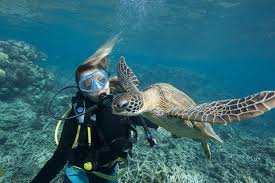
Ph.D. in Marine Science
Ph.D. in Marine Science is a research-intensive program that focuses on understanding oceanic and coastal ecosystems, including their biological, chemical, physical, and geological processes. The c...
Ph.D. in Marine Science
×Ph.D. in Marine Science is a research-intensive program that focuses on understanding oceanic and coastal ecosystems, including their biological, chemical, physical, and geological processes. The curriculum, which typically lasts 3-5 years, covers a wide range of topics, including marine biology, oceanography, marine ecology, marine pollution, climate change's impact on marine environments, and conservation science. Students do innovative research on issues such as marine biodiversity, coral reef ecosystems, ocean circulation, marine biogeochemistry, and sustainable fisheries management. Graduates frequently work in academia, environmental research groups, government agencies (such as NOAA), marine conservation NGOs, or enterprises related to ocean exploration and resource management. Admission normally needs a Master's degree in marine science, oceanography, environmental science, or a related discipline, along with good research and analytical skills.

Ph.D. in Public Health
Ph.D. in Public Health is an advanced research degree focused on developing expertise in public health practices, epidemiology, and health policy. Typically completed in 3 - 5 years, the program co...
Ph.D. in Public Health
×Ph.D. in Public Health is an advanced research degree focused on developing expertise in public health practices, epidemiology, and health policy. Typically completed in 3 - 5 years, the program combines rigorous coursework with original research, allowing candidates to specialize in areas like epidemiology, health systems, global health, or biostatistics. Students are trained in advanced methodologies for assessing health outcomes, managing public health initiatives, and addressing health disparities. Graduates are prepared for careers in academia, research institutions, government health agencies, or NGOs, where they can influence health policy, lead public health programs, and conduct impactful research.

Ph.D. in Natural Resources & Sustainable Development
Ph.D. in Natural Resources & Sustainable Development typically takes 3-5 years, depending on the institution and research project. This interdisciplinary program combines environmental science,...
Ph.D. in Natural Resources & Sustainable Development
×Ph.D. in Natural Resources & Sustainable Development typically takes 3-5 years, depending on the institution and research project. This interdisciplinary program combines environmental science, policy, and management to address complex sustainability challenges. Students engage in advanced coursework, conduct original research, and complete a dissertation. Key areas of study include ecosystem management, climate change adaptation, resource economics, and environmental policy. The program prepares graduates for careers in academia, government agencies, NGOs, and international organizations. Applicants usually need a master's degree in a related field and research experience. This Ph.D. equips students with the skills to develop innovative solutions for sustainable resource management and environmental conservation on a global scale.

Ph.D. in Wildlife Science
Ph.D. in Wildlife Science typically takes 3-5 years to complete, focusing on advanced research in wildlife biology, ecology, and conservation. Students engage in rigorous coursework, fieldwork, and...
Ph.D. in Wildlife Science
×Ph.D. in Wildlife Science typically takes 3-5 years to complete, focusing on advanced research in wildlife biology, ecology, and conservation. Students engage in rigorous coursework, fieldwork, and independent research, culminating in a doctoral dissertation. The program covers population dynamics, habitat management, and wildlife-human interactions. Candidates develop expertise in data analysis, research methodologies, and scientific writing. Many programs require teaching assistantships and conference presentations. Graduates are prepared for careers in academia, government agencies, or non-profit organizations, contributing to wildlife conservation and management. Admission usually requires a master's degree in a related field and research experience.
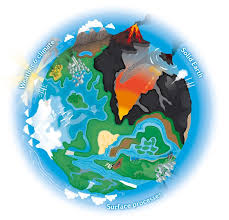
Ph.D. in Earth and Environmental Science
Ph.D. in Earth and Environmental Science normally takes 4-6 years to complete, with a focus on advanced research in fields such as climate change, geology, oceanography, and atmospheric science. Th...
Ph.D. in Earth and Environmental Science
×Ph.D. in Earth and Environmental Science normally takes 4-6 years to complete, with a focus on advanced research in fields such as climate change, geology, oceanography, and atmospheric science. The curriculum includes coursework, fieldwork, and laboratory research, culminating in a doctoral dissertation that adds new understanding to the subject. Students acquire knowledge of data analysis, modeling, and scientific writing while working closely with faculty mentors. The curriculum often includes multidisciplinary subjects, reflecting the complexity of environmental systems. Graduates are prepared to pursue careers in academia, government agencies, environmental consulting firms, or research organizations, where they can use their expertise to address urgent global environmental issues.

Ph.D. in Sports Psychology
Ph.D. in Sports Psychology normally lasts 3-5 years and focuses on the mental and emotional aspects that influence sports performance, well-being, and motivation. This advanced curriculu...
Ph.D. in Sports Psychology
×Ph.D. in Sports Psychology normally lasts 3-5 years and focuses on the mental and emotional aspects that influence sports performance, well-being, and motivation. This advanced curriculum combines theoretical study, research, and practical experience to prepare students for jobs in academia, research, or sports consulting. Coursework includes psychological assessments, counseling approaches, performance enhancement, and injury rehabilitation. Students collaborate closely with mentors to construct research projects, which contribute new insights to sports psychology. Practical experience with athletes and teams is frequently part of the program, allowing graduates to assist athletes reduce stress, improve focus, and achieve peak performance.
Ph.D. in International Law
Ph.D. in International Law is a research-oriented program that delves into the legal principles that govern cross-border relations between nations, international organizations, and individuals. The...
Ph.D. in International Law
×Ph.D. in International Law is a research-oriented program that delves into the legal principles that govern cross-border relations between nations, international organizations, and individuals. The program typically lasts 3-5 years and integrates instruction in public international law, human rights, trade law, environmental law, and dispute resolution with considerable independent research. Students study complicated topics like international treaties, diplomacy, conflict resolution, and global governance. Graduates are prepared for positions in academia, international organizations, government, and legal practice, where they can help build international legal norms and regulations, as well as resolve transnational legal difficulties in a globalized society.

Ph.D. in Socio-Legal Research
PhD in Socio-Legal Research is an interdisciplinary program that integrates law and social science to investigate the relationship between legal systems and society. The degree typically last...
Ph.D. in Socio-Legal Research
× PhD in Socio-Legal Research is an interdisciplinary program that integrates law and social science to investigate the relationship between legal systems and society. The degree typically lasts 3 to 5 years and combines training in legal theory, sociology, political science, and research methodology with unique, empirical research. Students look at issues including human rights, legal reforms, access to justice, and the role of law in social development. The curriculum prepares graduates for positions in academia, policy analysis, human rights groups, or legal consulting, where they can help design laws and procedures that address social concerns from a legal perspective.

Ph.D. in Operations Management
Ph.D. in Operations management focuses on advanced study into the design, optimization, and administration of company operations, with a particular emphasis on supply chain management, manufacturin...
Ph.D. in Operations Management
×Ph.D. in Operations management focuses on advanced study into the design, optimization, and administration of company operations, with a particular emphasis on supply chain management, manufacturing processes, and logistics. The program typically lasts 3 to 5 years and integrates intensive instruction in quantitative methods, business strategy, and systems modeling with original research. Students learn about process optimization, inventory management, quality control, and operational sustainability. Graduates are prepared for employment in academia, research institutes, or consultancy, where they can help to improve operational efficiency, enhance corporate performance, and discover innovative solutions to complicated challenges in a variety of industries.

Ph.D. in Entrepreneurship
Ph.D. in Entrepreneurship is an advanced research-focused degree that examines the theory, practice, and challenges associated with establishing and overseeing new businesses. The program typ...
Ph.D. in Entrepreneurship
×Ph.D. in Entrepreneurship is an advanced research-focused degree that examines the theory, practice, and challenges associated with establishing and overseeing new businesses. The program typically lasts 3-5 years and involves training in corporate strategy, innovation, opportunity recognition, and organizational behavior, as well as in-depth research. Students learn about entrepreneurial ecosystems, financing new enterprises, social entrepreneurship, and the influence of entrepreneurship on economic development. Graduates are prepared to work in academia, research institutions, or as consultants, helping to establish new business models, fostering innovation, and influencing policies that encourage entrepreneurship in a variety of industries

Ph.D. in Social Psychology
Ph.D. in Social Psychology typically takes 4 - 6 years to complete, depending on the program and research progress. This advanced degree focuses on the study of how individuals' thoughts,...
Ph.D. in Social Psychology
×Ph.D. in Social Psychology typically takes 4 - 6 years to complete, depending on the program and research progress. This advanced degree focuses on the study of how individuals' thoughts, feelings, and behaviors are influenced by the presence, actions, or attitudes of others. Coursework often includes advanced research methods, social behavior, group dynamics, and the impact of cultural, societal, and environmental factors on individual and collective psychology. Doctoral candidates engage in original research, contributing new insights to the field. The program also prepares students for careers in academia, research, clinical practice, or consulting in various sectors like healthcare, marketing, and public policy.

Ph.D. in Comparative Law
Ph.D. in Comparative Law is an advanced research program focused on the study of differences and similarities between the legal systems of various countries. It explores areas such as constitutiona...
Ph.D. in Comparative Law
×Ph.D. in Comparative Law is an advanced research program focused on the study of differences and similarities between the legal systems of various countries. It explores areas such as constitutional law, human rights, international law, and private law, encouraging a comparative approach to understanding diverse legal frameworks. The course typically spans 3 - 5 years, depending on the institution, and includes coursework, comprehensive exams, and a dissertation. Students engage in independent research, contribute to the development of legal theories, and often specialize in a particular region or legal issue. This degree prepares graduates for academic, governmental, and international law-related careers.

Ph.D. in Competition Law
Ph.D. in Competition Law is a research-oriented program focusing on the legal and economic aspects of competition law, antitrust regulations, and the protection of market competition. It typically...
Ph.D. in Competition Law
×Ph.D. in Competition Law is a research-oriented program focusing on the legal and economic aspects of competition law, antitrust regulations, and the protection of market competition. It typically covers areas such as monopolies, cartels, mergers and acquisitions, and global competition law frameworks. The course duration is usually 3 - 5 years, depending on the research progress and institutional requirements. Candidates are expected to conduct in-depth research, contribute to scholarly work, and potentially influence policy-making. This program is ideal for those aiming to work in academia, regulatory bodies, law firms, or international organizations dealing with competition law.

Ph.D. in Taxation
Ph.D. in Taxation is an advanced research degree focused on the study of tax laws, tax policies, and the economic, legal, and social implications of taxation. This program typically spans 3 - ...
Ph.D. in Taxation
×Ph.D. in Taxation is an advanced research degree focused on the study of tax laws, tax policies, and the economic, legal, and social implications of taxation. This program typically spans 3 - 5 years, depending on the institution and research progress. It involves rigorous coursework in taxation theory, tax administration, corporate taxation, international taxation, and public finance, followed by extensive original research culminating in a dissertation. The program aims to equip students with the skills to analyze and critique tax systems, contribute to policy-making, and provide expert advice to governments, businesses, and institutions on taxation issues.

Ph.D. in Organizational Psychology
Ph.D. in Organizational Psychology is an advanced research-oriented program focused on understanding human behavior in workplace settings. It explores topics like employee motivation, leadership, p...
Ph.D. in Organizational Psychology
×Ph.D. in Organizational Psychology is an advanced research-oriented program focused on understanding human behavior in workplace settings. It explores topics like employee motivation, leadership, performance, workplace culture, and organizational development. The program typically takes 4-6 years to complete, depending on the research progress and institution. Students engage in both coursework and extensive research, culminating in a dissertation. The curriculum covers areas like psychological assessment, research methodologies, and organizational theory. Graduates of this program are prepared for careers in academia, consultancy, human resources, and organizational development, applying psychological principles to enhance workplace productivity and employee well-being

Ph.D. in Criminal Psychology
Ph.D. in Criminal Psychology is an advanced research-focused program that delves into understanding criminal behavior, mental health disorders, and the intersection of psychology and law. The cours...
Ph.D. in Criminal Psychology
×Ph.D. in Criminal Psychology is an advanced research-focused program that delves into understanding criminal behavior, mental health disorders, and the intersection of psychology and law. The course typically spans 3 - 5 years, requiring students to conduct in-depth research, case studies, and engage in practical applications such as profiling, criminal assessment, and forensic evaluations. Graduates are equipped to work in law enforcement agencies, correctional institutions, legal settings, or academic roles. Key areas of study include criminal behavior theories, psychological assessments, victimology, mental health law, and the impact of psychological factors in criminal justice.

Ph.D. in Pedagogical Psychology
Ph.D. in Pedagogical Psychology focuses on the study of teaching and learning processes, examining how psychological principles can be applied to improve educational practices. The course inv...
Ph.D. in Pedagogical Psychology
×Ph.D. in Pedagogical Psychology focuses on the study of teaching and learning processes, examining how psychological principles can be applied to improve educational practices. The course involves in-depth research into cognitive, emotional, and social factors affecting learning, and the development of effective teaching methods. It typically takes 3 - 5 years to complete, depending on the research topic and institutional requirements. The program includes coursework on developmental psychology, learning theories, assessment techniques, and educational interventions, followed by original research culminating in a dissertation. Graduates often pursue careers in academia, educational policy, counseling, or instructional design.