
Ph.D. in English takes approximately 5-7 years to accomplish, depending on the program and individual progress. This postgraduate degree emphasizes in-depth study of literature, language, and critical theory. Students conduct substantial research, culminating in a PhD dissertation that adds novel knowledge to the discipline. The curriculum frequently includes coursework, extensive tests, and teaching obligations. Specializations may include medieval literature, postcolonial studies, and digital humanities. Graduates get opportunities for positions in academia, publishing, and advanced research. The degree needs a solid basis in literary interpretation, exceptional writing skills, and the capacity to perform independent scholarly research.
Pravara Institute of Medical Sciences
Pravara Institute of Medical Sciences Admission Open

Ph.D. in Hindi
Ph.D. in Hindi takes approximately 3-5 years to finish, depending on the university and the candidate's research progress. This postgraduate degree program emphasizes in-depth study and innovat...
Ph.D. in Hindi
×Ph.D. in Hindi takes approximately 3-5 years to finish, depending on the university and the candidate's research progress. This postgraduate degree program emphasizes in-depth study and innovative research in Hindi language, literature, and culture. Students investigate numerous topics, including Hindi linguistics, classical and modern Hindi literature, comparative studies, and cultural theories. The program typically includes coursework, comprehensive exams, and a PhD dissertation. Candidates are expected to make fresh contributions to the field through their research. Students can pursue their career in academics, research, translation, or cultural organizations. Admission to a Ph.D. program in Hindi frequently requires Hindi proficiency as well as a master's degree in a relevant discipline.

Ph.D. in Political Science
PhD in Political Science usually takes 4-7 years to complete, depending on the program and individual progress. This advanced degree focuses on a thorough examination of political systems, in...
Ph.D. in Political Science
×PhD in Political Science usually takes 4-7 years to complete, depending on the program and individual progress. This advanced degree focuses on a thorough examination of political systems, institutions, and behavior. Students complete demanding coursework, thorough tests, and original research, culminating in a PhD dissertation. Political theory, comparative politics, international relations, and research methodology are common topics in the curriculum. Graduates get a lot of experience in data analysis, critical thinking, and advanced research abilities, which prepare them for positions in academia, government, think tanks, and international organizations. The curriculum needs a strong commitment to intellectual inquiry and frequently includes teaching assistantships or research jobs to obtain hands-on experience in the field.

Ph.D. in History
Ph.D. in History takes approximately 5-7 years to accomplish, depending on the program and individual development. This advanced degree requires extensive research, critical analysis, and an origin...
Ph.D. in History
×Ph.D. in History takes approximately 5-7 years to accomplish, depending on the program and individual development. This advanced degree requires extensive research, critical analysis, and an original contribution to historical knowledge. Students participate in coursework, comprehensive exams, and dissertation writing. The program encompasses history, research methodology, and specific fields of study. Candidates become proficient in primary source analysis, archival research, and academic writing. The climax is a doctoral dissertation that presents novel research findings. This degree provide different career positions in academia, research institutes, museums, and other professions that require extensive historical knowledge. Successful completion indicates mastery of historical study and the ability to add to the field's corpus of knowledge.

Ph.D. in Sanskrit
Ph.D. in Sanskrit normally takes 4-6 years to finish, depending on the university and the student's prior language experience. This postgraduate degree emphasizes in-depth study of Sanskrit lit...
Ph.D. in Sanskrit
×Ph.D. in Sanskrit normally takes 4-6 years to finish, depending on the university and the student's prior language experience. This postgraduate degree emphasizes in-depth study of Sanskrit literature, language, philosophy, and culture. Students conduct intensive research, frequently concentrating in topics such as Vedic literature, classical poetry, or comparative language. The curriculum typically includes coursework, thorough exams, and a dissertation on an original research topic. Candidates are expected to achieve expert-level competency in reading and interpreting Sanskrit texts, contribute to the subject through publications, and possibly teach. This degree provides various positions in Academic, research, translation, and cultural preservation.

Ph.D. in Geography
Ph.D. in Geography normally takes 3-5 years to complete, depending on the university and research area. This postgraduate degree focuses on complex spatial linkages, human-environmental interaction...
Ph.D. in Geography
×Ph.D. in Geography normally takes 3-5 years to complete, depending on the university and research area. This postgraduate degree focuses on complex spatial linkages, human-environmental interactions, and geographical theories. Students complete demanding coursework, exhaustive tests, and original research, culminating in a dissertation. The program includes a wide range of topics, including physical geography, human geography, and geospatial technology. Candidates gain experience in research methods, data analysis, and critical thinking. Graduates get the opportunity to work in academics, environmental consultancy, urban development, and government agencies. The Ph.D. program encourages a thorough awareness of global concerns, spatial patterns, and the interconnection of human and ecological systems of all sizes.

Ph.D. in Economics
Ph.D. in Economics takes approximately 4-6 years to complete, depending on the program and individual success. The degree requires advanced study of economic theory, quantitative methods, and speci...
Ph.D. in Economics
×Ph.D. in Economics takes approximately 4-6 years to complete, depending on the program and individual success. The degree requires advanced study of economic theory, quantitative methods, and specific subjects such as macroeconomics, microeconomics, econometrics, and development economics. Students complete demanding coursework, thorough tests, and original research, culminating in a PhD dissertation. This degree provides different career positions in academia, research institutes, government agencies, and the business sector that require advanced economic analysis. Data analysis, mathematical modeling, critical thinking, and the capacity to undertake independent study on complicated economic issues are all important abilities learned.

Ph.D. in Commerce
The Ph.D. in Commerce is a required 4-5 year advanced research degree program that gives comprehensive training in the theory, research methodologies, and practical applications of numerous bu...
Ph.D. in Commerce
×The Ph.D. in Commerce is a required 4-5 year advanced research degree program that gives comprehensive training in the theory, research methodologies, and practical applications of numerous business and management fields. The program includes in-depth study of accounting, finance, marketing, human resources, operations, and strategy. Independent research projects, scholarly publications, and collaborations with industry and academia help students develop expertise in identifying and investigating complex business problems, designing innovative solutions, and contributing to the advancement of knowledge in the dynamic and multifaceted field of business. Graduates of this program have the opportunity to work as business researchers, consultants, policymakers, and faculty members in universities, research institutions, and major corporations.

Ph.D. in Computer Science
Ph.D. in computer science usually takes 4-6 years to complete, depending on the coursework and research progress. This advanced degree emphasizes producing unique research in a specific field...
Ph.D. in Computer Science
× Ph.D. in computer science usually takes 4-6 years to complete, depending on the coursework and research progress. This advanced degree emphasizes producing unique research in a specific field of computer science, such as artificial intelligence, cybersecurity, or algorithms. Students undergo advanced courses, take thorough tests, and produce a dissertation based on their research findings. The curriculum trains participants in critical thinking, problem solving, and innovative technology development. Graduates frequently pursue careers in academia, research institutions, or managerial positions in the technology business. A Ph.D. in Computer Science necessitates devotion, intellectual curiosity, and the capacity to bring novel information to the area.

Ph.D. in Dental
Ph.D. in Dental Sciences, which normally lasts 3-5 years, is an advanced research-oriented degree for dental practitioners who want to contribute to the field through innovative research and academ...
Ph.D. in Dental
×Ph.D. in Dental Sciences, which normally lasts 3-5 years, is an advanced research-oriented degree for dental practitioners who want to contribute to the field through innovative research and academic endeavors. This challenging curriculum combines advanced education in oral biology, biomaterials, and epidemiology with extensive research experience. Students gain experience in research methods, data analysis, and scientific writing. Teaching experience and conference attendance are often necessary components of the program. Candidates must complete an original research-based dissertation and defend it in front of an expert committee. This degree prepares graduates for positions related to dentistry research, academia, or as leaders in public health and policy-making organisations.

Ph.D. in Dental Sciences
Ph.D. in Dental Sciences, which normally lasts 3-5 years, is an advanced research-oriented degree for dental practitioners who want to contribute to the field through innovative research and academ...
Ph.D. in Dental Sciences
×Ph.D. in Dental Sciences, which normally lasts 3-5 years, is an advanced research-oriented degree for dental practitioners who want to contribute to the field through innovative research and academic endeavors. This challenging curriculum combines advanced education in oral biology, biomaterials, and epidemiology with extensive research experience. Students gain experience in research methods, data analysis, and scientific writing. Teaching experience and conference attendance are often necessary components of the program. Candidates must complete an original research-based dissertation and defend it in front of an expert committee. This degree prepares graduates for positions related to dentistry research, academia, or as leaders in public health and policy-making organisations.
Ph.D. in Fashion Design
Ph.D. in Fashion Design takes about 3-5 years to complete, depending on the curriculum and research topic. This doctorate integrates theoretical study with practical application, exploring into cre...
Ph.D. in Fashion Design
×Ph.D. in Fashion Design takes about 3-5 years to complete, depending on the curriculum and research topic. This doctorate integrates theoretical study with practical application, exploring into creative design concepts, environmental methods, and the cultural effect of fashion. Students perform original research, often cooperating with industry partners or pursuing interdisciplinary techniques such as wearable technology or biomaterials. Advanced design theory, research methodology, and seminars on current industry trends are all possible topics for coursework. The curriculum culminates in a dissertation that advances knowledge in the field. Graduates are equipped for professions in academics, high-level design positions, forecasting fashion trends, and consulting on the industry's prospects.

Ph.D. in Education
Ph.D. in Education usually requires 3-5 years for completion, depending on the program and whether the student pursues full-time or part-time. This advanced degree emphasizes educational research,...
Ph.D. in Education
×Ph.D. in Education usually requires 3-5 years for completion, depending on the program and whether the student pursues full-time or part-time. This advanced degree emphasizes educational research, philosophical thought, and practice. Students take hard courses, perform original research, and submit a dissertation. The curriculum frequently includes educational psychology, curriculum creation, educational policy, and research methodology. Graduates are equipped for positions in academia, educational leadership, policymaking, and advanced research. This degree needs a master's degree for admission and concludes in a comprehensive examination followed by an effective doctoral defense before a committee of academic experts.

Ph.D. in Management
Ph.D. in Management typically requires 4-6 years to complete, depending on the university and the student's progress. This postgraduate degree program focuses on enhancing awareness of manageme...
Ph.D. in Management
×Ph.D. in Management typically requires 4-6 years to complete, depending on the university and the student's progress. This postgraduate degree program focuses on enhancing awareness of management theory, research methods, and organizational behavior. Students pursue demanding coursework, thorough tests, and original research, culminating in a PhD dissertation. Strategic management, leadership, organizational psychology, and advanced statistics are common themes in the curriculum. Graduates are equipped for jobs in academia, research institutions, or high-level consultancy positions. The curriculum demands a good academic background, which typically includes a master's degree, and stresses critical thinking, analytical skills, and the ability to contribute new information to the field of management.

Ph.D. in Human Resource Management
Ph.D. in Human Resource Management normally takes 3-5 years to complete, depending on the institution and whether the student studies full-time or part-time. This advanced degree focuses on the gro...
Ph.D. in Human Resource Management
×Ph.D. in Human Resource Management normally takes 3-5 years to complete, depending on the institution and whether the student studies full-time or part-time. This advanced degree focuses on the growth of expertise in human resource theory, research methodology, and human capital strategy. Students undergo difficult coursework on topics such as organizational behavior, labor relations, talent management, and HR analytics. The curriculum concludes with original research and a dissertation, which contributes new knowledge to the discipline. Graduates are suitable for high-level roles in academia, research institutions, or as human resource executives in large corporations. This degree prepares students to develop HR policy, lead corporate change, and tackle difficult workforce concerns in a global environment.

Ph.D. in Hospitality Management
Ph.D. in Hospitality Management generally takes 3-5 years to complete, depending on the program and research requirements. This advanced degree focuses on enhancing knowledge of hospitality t...
Ph.D. in Hospitality Management
×Ph.D. in Hospitality Management generally takes 3-5 years to complete, depending on the program and research requirements. This advanced degree focuses on enhancing knowledge of hospitality theory, research methodology, and industry practices. Students pursue challenging courses on topics such as strategic management, consumer behavior, service quality, and hospitality analytics. The curriculum culminates with original research that expands to the field's body of knowledge. Sustainable tourism, hospitality technology, and cross-cultural management are common topics of interest among candidates. Graduates are suited for high-level roles in academia, research organizations, or as hospitality sector consultants and executives, with the ability to drive innovation and determine the field's future.

Ph.D. in Journalism And Mass Communication
Ph.D. in Journalism and Mass Communication usually takes 3-5 years to complete, depending on the program and research requirements. This postgraduate degree emphasizes in-depth research and a...
Ph.D. in Journalism And Mass Communication
×Ph.D. in Journalism and Mass Communication usually takes 3-5 years to complete, depending on the program and research requirements. This postgraduate degree emphasizes in-depth research and analysis of media, communication theories, and their societal implications. Students pursue challenging courses, conduct independent research, and often serve as teaching assistants. The program culminates with a doctoral dissertation, which contributes new information to the regulation. Graduates have the abilities to work in academia, advanced research, media policy, or as leaders in media organizations. Digital media technology, media ethics, global communication, data journalism, and emerging trends in mass communication may all be important topics to research.

Ph.D. in Mass Communication
Ph.D. in Mass Communication usually takes 3-5 years to complete, depending on the program and research requirements. This postgraduate degree focuses on media, communication theories, and thei...
Ph.D. in Mass Communication
×Ph.D. in Mass Communication usually takes 3-5 years to complete, depending on the program and research requirements. This postgraduate degree focuses on media, communication theories, and their social implications. Students complete challenging courses, conduct independent research, and frequently serve as teaching assistants. The curriculum includes topics such as media effects, digital communication, journalism, public relations, and research methods. Candidates are expected to offer original research in the way of a dissertation that explores completely into specific aspects of mass communication. This degree prepares students for careers in academia, research institutes, media organizations, and high-level roles in communication-related companies.

Ph.D. in Biotechnology
Ph.D. in Biotechnology is an advanced research degree that involves biology, technology, and engineering. It generally takes 4-6 years to complete. The curriculum focuses on discovering innovative...
Ph.D. in Biotechnology
×Ph.D. in Biotechnology is an advanced research degree that involves biology, technology, and engineering. It generally takes 4-6 years to complete. The curriculum focuses on discovering innovative solutions to healthcare, agricultural businesses, and environmental issues. Students engage in intensive coursework, laboratory research, and frequent collaborations with industry partners. Genetic engineering, bioinformatics, molecular biology, and bioprocess engineering are all significant study fields. Candidates have to do original research, publish in peer-reviewed publications, and defend their doctoral thesis. This degree prepares graduates for managerial positions in academia, research institutes, pharmaceutical businesses, and biotech startups, advancing disciplines such as medication development, sustainable agriculture, and biofuel production.
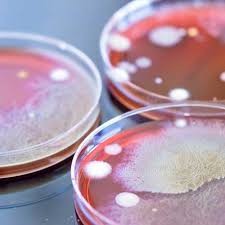
Ph.D. in Microbiology
Ph.D. in Microbiology usually takes 4-6 years to complete which involves extensive research on microorganisms, their interactions, and their impact on various ecosystems. The academic program inclu...
Ph.D. in Microbiology
×Ph.D. in Microbiology usually takes 4-6 years to complete which involves extensive research on microorganisms, their interactions, and their impact on various ecosystems. The academic program includes advanced coursework, laboratory research, and a dissertation. Students research bacterial genetics, virology, immunology, and microbial ecology. They acquire experts in cutting-edge procedures such as gene sequencing, bioinformatics, and microscopy. This degree prepares graduates for professions in academia, biotechnology, pharmaceuticals, and public health, granting them the skills they need to address global issues such as antibiotic resistance and new infectious diseases.

Ph.D. in Nursing
The Doctor of Philosophy (Ph.D.) in Nursing is the highest academic degree in the nursing sector, taking around 4-5 years to complete. This research-focused curriculum develops nurses to work in ac...
Ph.D. in Nursing
×The Doctor of Philosophy (Ph.D.) in Nursing is the highest academic degree in the nursing sector, taking around 4-5 years to complete. This research-focused curriculum develops nurses to work in academia, research, and advanced clinical practice. Nursing theory, research methodologies, statistics, and a specialized area of study are all encompassed in the coursework. Ph.D. candidates prepare an original dissertation that provides new information to the nursing field. Graduates of Ph.D. in Nursing schools are prepared to conduct nursing research, shape healthcare policy, educate future nurses, and drive clinical innovation. The degree qualifies for professions such as nurse scientist, professor, head of nursing research, and chief nursing officer.
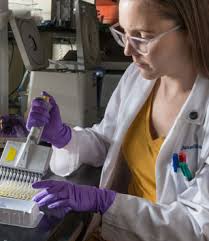
Ph.D. in Pathology
Doctor of Philosophy (Ph.D.) in Pathology is a rigorous 5-7 year research-focused doctoral program that prepares students for careers as leading experts in the study of disease. The curriculu...
Ph.D. in Pathology
×Doctor of Philosophy (Ph.D.) in Pathology is a rigorous 5-7 year research-focused doctoral program that prepares students for careers as leading experts in the study of disease. The curriculum covers advanced topics in anatomical, clinical, and molecular pathology, as well as research methods and biostatistics. Ph.D. candidates conduct original laboratory research and complete a doctoral dissertation that makes a significant contribution to the understanding of the causes, mechanisms, and diagnoses of human diseases. Graduates are equipped to work as pathologists, medical researchers, university professors, and consultants in hospitals, government agencies, and private biotechnology companies. The Ph.D. in Pathology provides students with the specialized expertise needed to advance the field of diagnostic medicine, develop new diagnostic tools and treatments, and improve patient outcomes.

Ph.D. in Physiotherapy
Doctor of Philosophy (Ph.D.) in Physiotherapy is a challenging 4-6 year research-focused doctoral program that develops students to become physical therapy leaders. The curriculum emphasizes advanc...
Ph.D. in Physiotherapy
×Doctor of Philosophy (Ph.D.) in Physiotherapy is a challenging 4-6 year research-focused doctoral program that develops students to become physical therapy leaders. The curriculum emphasizes advanced topics such as musculoskeletal biomechanics, neurophysiology, exercise physiology, and research methods. Ph.D. candidates perform distinctive laboratory and clinical research, culminating in the submission of a doctoral dissertation that contributes significantly to our understanding of human mobility, injury prevention, and rehabilitation. Graduates have the opportunity to work as physiotherapist researchers, university professors, consultants, and policymakers in hospitals, private clinics, government organizations, and academic settings. The Ph.D. in Physiotherapy program equips students with the specific knowledge required to advance the science of physical therapy and improve patient outcomes.

Ph.D. in Pharmacy
Doctor of Philosophy (Ph.D.) in Pharmaceutics is a rigorous 5-7 year research-focused doctoral program that provides students to serve as leading specialists in the development and improvemen...
Ph.D. in Pharmacy
×Doctor of Philosophy (Ph.D.) in Pharmaceutics is a rigorous 5-7 year research-focused doctoral program that provides students to serve as leading specialists in the development and improvement of drug delivery systems. The program includes advanced topics in pharmaceutical sciences such as pharmacokinetics, medication development, manufacturing methods, and regulatory issues. Ph.D. candidates perform original laboratory and clinical research, culminating in the submission of a doctoral dissertation which contributes significantly to the field of pharmaceutics. Graduates have been trained for positions as pharmaceutical scientists, university instructors, regulatory advisors, and R&D professionals in the pharmaceutical business. The Ph.D. in Pharmaceutics program equips students with the specific knowledge required to revolutionize drug delivery methods, improve patient outcomes, and impact the future of pharmaceutical product development.

Ph.D. in Pharmaceutical Sciences
Doctor of Philosophy (Ph.D.) in Pharmaceutics is a rigorous 5-7 year research-focused doctoral program that provides students to serve as leading specialists in the development and improvement of d...
Ph.D. in Pharmaceutical Sciences
×Doctor of Philosophy (Ph.D.) in Pharmaceutics is a rigorous 5-7 year research-focused doctoral program that provides students to serve as leading specialists in the development and improvement of drug delivery systems. The program includes advanced topics in pharmaceutical sciences such as pharmacokinetics, medication development, manufacturing methods, and regulatory issues. Ph.D. candidates perform original laboratory and clinical research, culminating in the submission of a doctoral dissertation which contributes significantly to the field of pharmaceutics. Graduates have been trained for positions as pharmaceutical scientists, university instructors, regulatory advisors, and R&D professionals in the pharmaceutical business. The Ph.D. in Pharmaceutics program equips students with the specific knowledge required to revolutionize drug delivery methods, improve patient outcomes, and impact the future of pharmaceutical product development.

Ph.D. in Bioinformatics
The Ph.D. in Bioinformatics is a 4-5 year advanced research-oriented program that offers comprehensive training in the interdisciplinary subject of computational biology. The program includes parts...
Ph.D. in Bioinformatics
×The Ph.D. in Bioinformatics is a 4-5 year advanced research-oriented program that offers comprehensive training in the interdisciplinary subject of computational biology. The program includes parts such as genomics, proteomics, systems biology, machine learning, and high-performance computing. Independent research projects, laboratory work, and collaborations with industry and academia help students acquire competence in building unique computer algorithms, developing advanced data analysis tools, and applying them to challenging biological challenges. Graduates of this program are trained to work as bioinformatics scientists, computational biology researchers, data scientists, and faculty members in universities and research institutions at the forefront of bioinformatics and computational life sciences.

Ph.D. in Engineering
The Ph.D. in Engineering is a demanding 4-5 year advanced research degree program that gives thorough training in the theory, research methodologies, and practical applications of several engineeri...
Ph.D. in Engineering
×The Ph.D. in Engineering is a demanding 4-5 year advanced research degree program that gives thorough training in the theory, research methodologies, and practical applications of several engineering fields. The curriculum includes in-depth study of specialist disciplines such as mechanical, electrical, civil, computer, or materials engineering, depending on the student's area of interest. Independent research projects, scholarly publications, and collaborations with industry and academia allow learners to develop expertise in identifying complex engineering challenges, designing innovative solutions, and contributing to the advancement of knowledge in their chosen engineering field. Graduates of this program have the ability for positions as research engineers, technical consultants, policymakers, and faculty members at universities, research institutions, and major engineering organizations.

Ph.D. in Oral Pathology And Microbiology
Ph.D. in Oral Pathology and Microbiology normally takes 3-5 years to complete, depending on the institution and research objectives. This postgraduate degree program focuses on disorders of the ora...
Ph.D. in Oral Pathology And Microbiology
×Ph.D. in Oral Pathology and Microbiology normally takes 3-5 years to complete, depending on the institution and research objectives. This postgraduate degree program focuses on disorders of the oral cavity, jaw, and adjacent structures, as well as the bacteria that cause these conditions. Students conduct substantial research, lab work, and clinical observations. The program includes topics such as oral histology, immunology, molecular biology, and sophisticated diagnostic procedures. Candidates are expected to do original research, publish in peer-reviewed publications, and defend their dissertations. This degree equips graduates to work in academia, research institutes, or specialized clinical practice, helping to enhance oral health diagnostics and treatments.

Ph.D. in Agriculture
Ph.D. in Agriculture is a research-oriented degree that aims to expand knowledge in fields like agricultural science, soil health, agribusiness, and sustainable farming. Typically lasting 3-5 ...
Ph.D. in Agriculture
×Ph.D. in Agriculture is a research-oriented degree that aims to expand knowledge in fields like agricultural science, soil health, agribusiness, and sustainable farming. Typically lasting 3-5 years, the curriculum consists of extensive coursework, laboratory research, and field study, culminating in a dissertation based on original research. Agronomy, horticulture, plant genetics, soil science, agricultural economics, and agricultural engineering are among the possible specializations. The curriculum provides students with knowledge of agricultural advances, allowing them to solve concerns such as food security, climate resilience, and sustainable practices. Graduates frequently pursue positions in academia, research institutions, government agencies, and the agricultural industry.

Ph.D. in Business Administration
Ph.D. in Business Administration normally takes 3-5 years and focuses on advanced research approaches and theoretical frameworks in a variety of business fields, including management, fi...
Ph.D. in Business Administration
×Ph.D. in Business Administration normally takes 3-5 years and focuses on advanced research approaches and theoretical frameworks in a variety of business fields, including management, finance, marketing, and organizational behavior. The program frequently demands the completion of core courses, rigorous tests, and a dissertation that provides original information about the discipline. Students conduct in-depth studies and analyses of current business difficulties, preparing them for academic, research, and high-level consulting positions. Admission often requires a suitable master's degree, a strong academic record, and research proposals that outline a clear vision for future research interests.
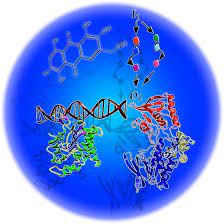
Ph.D. in Medical Biochemistry
A Ph.D. in Medical Biochemistry explores the chemical processes that take place in the human body and is an advanced research degree that lasts 4-5 years. In-depth courses in physiology, molec...
Ph.D. in Medical Biochemistry
×A Ph.D. in Medical Biochemistry explores the chemical processes that take place in the human body and is an advanced research degree that lasts 4-5 years. In-depth courses in physiology, molecular biology, and biochemistry are combined with a rigorous research project in this program. Students become proficient in methods such as chromatography, bioinformatics, and spectroscopy to explore the biochemical processes that underlie both health and illness. Graduates are equipped for jobs in government organizations, biotechnology, pharmaceutical research, or academia where they can help create novel medical treatments, diagnostics, and therapies. Students gain critical thinking, problem-solving, and communication abilities that are highly regarded in the medical sciences thanks to the demanding curriculum and individual research project.

Ph.D. in Medical Microbiology
A doctorate degree in medical microbiology, which focuses on research, normally takes approximately 4-6 years to finish. Advanced training in the study of microbes, their interactions with hos...
Ph.D. in Medical Microbiology
×A doctorate degree in medical microbiology, which focuses on research, normally takes approximately 4-6 years to finish. Advanced training in the study of microbes, their interactions with hosts, and their role in illness is offered by the program. Microbial pathogenesis, immunology, epidemiology, and laboratory procedures are among the subjects covered in the coursework. Students show their proficiency in a particular field of medical microbiology by conducting original research, publishing findings, and defending a dissertation. Graduates are equipped for jobs in public health, academia, pharmaceutical and biotech research, and other domains that need proficiency in the identification, management, and prevention of infectious illnesses.

Ph.D. in Medical Physiology
A Ph.D. program in medical physiology, which lasts from 4-6 years, offers advanced instruction in the study of the human body's typical processes and activities. Topics including organ sys...
Ph.D. in Medical Physiology
×A Ph.D. program in medical physiology, which lasts from 4-6 years, offers advanced instruction in the study of the human body's typical processes and activities. Topics including organ system function, cellular and molecular physiology, and the integration of physiological processes are all covered in the curriculum. Graduates can go on to work in academia, research, or the pharmaceutical sector, advancing medical knowledge and creating novel cures and treatments.
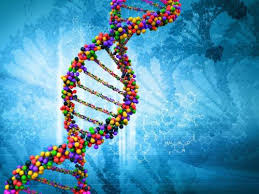
Ph.D. in Medical Genetics
A doctorate in medical genetics normally takes 4-6 years to finish. Advanced research and study on the genetic foundations of human health and illness are the program's main areas of conce...
Ph.D. in Medical Genetics
×A doctorate in medical genetics normally takes 4-6 years to finish. Advanced research and study on the genetic foundations of human health and illness are the program's main areas of concentration. Clinical genetics, genomics, bioinformatics, and molecular genetics are among the subjects covered in the program. Students finish a unique research dissertation that advances the field's understanding. Graduates are equipped for professions in genetic counseling, biotechnology, medical research, and academia. The Ph.D. offers extensive proficiency in the use of genomic and genetic methods to comprehend, identify, and treat complicated diseases and inherited disorders.
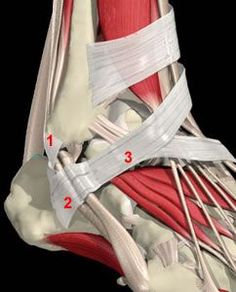
Ph.D. in Medical Anatomy
The average time to earn a Ph.D. i.e., doctoral degree,in medical anatomy is 4-6 years. With a focus on medical applications, the curriculum emphasizes the advanced study of the human bo...
Ph.D. in Medical Anatomy
×The average time to earn a Ph.D. i.e., doctoral degree,in medical anatomy is 4-6 years. With a focus on medical applications, the curriculum emphasizes the advanced study of the human body's structure and function. Gross anatomy, histology, embryology, and neuroanatomy are among the subjects covered in the coursework. In order to contribute something new to the area, students also carry out original research and finish a dissertation. Alumni of this degree frequently go on to work in specialized healthcare positions requiring in-depth anatomical knowledge, academia, or medical research.

Ph.D. in Hospital Administration
Advanced training in healthcare management, policy, and administration is offered via a 4-5 year Ph.D. degree in Hospital Administration. Organizational behavior, quality improvement, strategi...
Ph.D. in Hospital Administration
×Advanced training in healthcare management, policy, and administration is offered via a 4-5 year Ph.D. degree in Hospital Administration. Organizational behavior, quality improvement, strategic planning, and healthcare economics are among the subjects covered in the curriculum. In addition, learners finish a dissertation and carry out unique research. Graduates frequently go on to hold executive positions in government organizations, healthcare systems, hospitals, or consulting firms, where they use their knowledge to enhance patient outcomes and streamline healthcare operations.
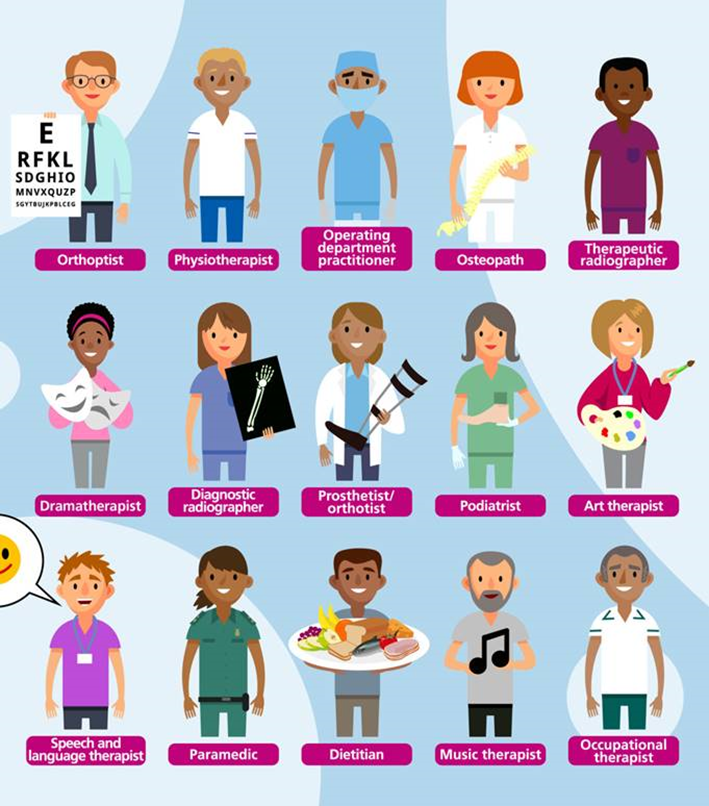
Ph.D. in Allied Health Sciences
Advanced training in healthcare management, policy, administration, and research is offered via a Ph.D. degree in Allied Health Sciences, which normally lasts 4-5 years. Organizational behavio...
Ph.D. in Allied Health Sciences
×Advanced training in healthcare management, policy, administration, and research is offered via a Ph.D. degree in Allied Health Sciences, which normally lasts 4-5 years. Organizational behavior, quality improvement, strategic planning, and healthcare economics are among the subjects covered in the curriculum. Graduates frequently go on to hold executive positions in government organizations, healthcare systems, hospitals, or consulting firms, where they use their knowledge to enhance patient outcomes and streamline healthcare operations.

Ph.D. in Community Rehabilitation
A Ph.D. degree of 4-5 years in Community Rehabilitation equips students for positions as leaders, instructors, and researchers in the field of rehabilitation science. Topics includi...
Ph.D. in Community Rehabilitation
×A Ph.D. degree of 4-5 years in Community Rehabilitation equips students for positions as leaders, instructors, and researchers in the field of rehabilitation science. Topics including teaching, research methodologies, and specific fields of study that fit each student's interests are all included in the curriculum. Candidates must exhibit good academic qualifications and clinical skills, and they typically have backgrounds in engineering, physical therapy, or occupational therapy. Through their teaching and scholarly work, graduates of this program advance rehabilitation practice, research, and policy.

Ph.D. in Computer Application
Advanced computer science research, software development, and computing technology applications are the main topics of a Ph.D. in Computer Applications, which normally takes 3-5years to finish. Art...
Ph.D. in Computer Application
×Advanced computer science research, software development, and computing technology applications are the main topics of a Ph.D. in Computer Applications, which normally takes 3-5years to finish. Artificial intelligence, machine learning, data science, computer networks, and human-computer interaction are among the topics covered in the program's coursework. A dissertation that adds to the field's body of knowledge follows. Students investigate novel approaches to practical issues in areas like computational theory, algorithm creation, and system optimization. A solid foundation in computer science or a comparable discipline is typically required for admission. Graduates work in high-level positions in the tech sector, research institutes, or academia.

Ph.D. in International Business
A Ph.D. in International corporate is a research-based program that examines the worldwide dynamics of corporate operations, commerce, and cross-border management. The program typically lasts 3-5&n...
Ph.D. in International Business
×A Ph.D. in International corporate is a research-based program that examines the worldwide dynamics of corporate operations, commerce, and cross-border management. The program typically lasts 3-5 years and covers topics such as worldwide marketing, global supply chains, foreign direct investment, cross-cultural management, and international finance. Students perform unique research to solve critical issues in international business, such as globalization, market entry tactics, and emerging economies. In most cases, admission needs a Master's degree in Business Administration or a comparable discipline. Graduates work in academia, research institutions, multinational enterprises, and international organizations, helping to promote global business practices and policy.

Ph.D. in Public Administration
A Ph.D. in Public Administration is a research-oriented program that investigates the philosophy, practice, and management of public-sector organizations and policies. The program typically lasts 3...
Ph.D. in Public Administration
×A Ph.D. in Public Administration is a research-oriented program that investigates the philosophy, practice, and management of public-sector organizations and policies. The program typically lasts 3-5 years and covers topics such as public policy analysis, governance, organizational theory, administrative ethics, and public service leadership. Students do original research to address contemporary issues in public administration, social justice, and governmental reform. In general, admission needs a Master's degree in Public Administration, Political Science, or a closely related discipline. Graduates work in academics, government agencies, non-governmental organizations (NGOs), and think tanks, helping to establish effective public policies and administrative procedures.

Ph.D. in Social Science
A Ph.D. in Social Science is an advanced research degree that examines human behavior, societal structures, and social change via a variety of disciplinary perspectives, including sociology, anthro...
Ph.D. in Social Science
×A Ph.D. in Social Science is an advanced research degree that examines human behavior, societal structures, and social change via a variety of disciplinary perspectives, including sociology, anthropology, economics, and political science. The curriculum, which typically lasts 3-5years, uses both qualitative and quantitative research approaches to address complex social issues such as inequality, globalization, and policy formation. Students gain knowledge in fields such as social theory, ethnography, social justice, and public policy. Admission often necessitates a Master's degree in Social Sciences or a comparable subject. Graduates frequently go on to work in academia, research, or government, non-governmental, and international organizations.

Ph.D. in Community Medicine
Ph.D. in Community Medicine is a research-based program that provides students with advanced knowledge of public health, epidemiology, and social medicine. The program, which usually lasts 3 to 5 y...
Ph.D. in Community Medicine
×Ph.D. in Community Medicine is a research-based program that provides students with advanced knowledge of public health, epidemiology, and social medicine. The program, which usually lasts 3 to 5 years, covers topics like health policy, preventive medicine, global health, healthcare management, and environmental health. Students do both academic coursework and practical research, with the goal of improving community health outcomes. The dissertation is an important component of the program, as it addresses real-world public health challenges. Graduates frequently pursue positions in academia, healthcare leadership, government or non-government organizations, and public health research.
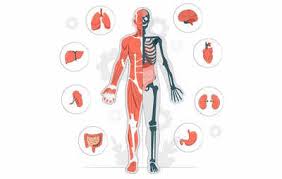
Ph.D. in Physiology
Ph.D. in Physiology is an advanced research-focused degree that normally lasts 3-5 years. It entails a thorough examination of biological systems, with emphasis on functions such as cellular p...
Ph.D. in Physiology
×Ph.D. in Physiology is an advanced research-focused degree that normally lasts 3-5 years. It entails a thorough examination of biological systems, with emphasis on functions such as cellular processes, organ systems, and homeostasis. Students study neurophysiology, cardiovascular physiology, endocrinology, and exercise physiology. The program consists of demanding coursework, thorough tests, and original research, culminating in a dissertation. This degree prepares students for positions in academia, healthcare, pharmaceuticals, and research institutions. A Ph.D. in Physiology focuses on developing critical thinking, experimental abilities, and a thorough grasp of the systems that control bodily functioning.
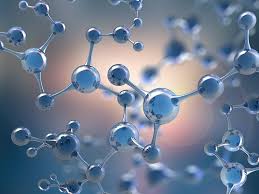
Ph.D. in Nanotechnology
Ph.D. in Nanotechnology is a graduate research program that focuses on the study and application of nanomaterials and nanoscale processes. The program, which typically lasts 3-5 years, combines phy...
Ph.D. in Nanotechnology
×Ph.D. in Nanotechnology is a graduate research program that focuses on the study and application of nanomaterials and nanoscale processes. The program, which typically lasts 3-5 years, combines physics, chemistry, biology, and engineering to investigate the unique features of nanomaterials. Students do original research on issues such as nanomaterials production, nanofabrication techniques, nanomedicine, nanoelectronics, energy storage, and environmental applications. The program frequently includes a combination of experimental laboratory work, computational modeling, and interdisciplinary research. Graduates of this degree may pursue professions in academia, research institutes, pharmaceutical and biotech businesses, electronics, renewable energy, or materials science. Admission usually requires a Master's degree in physics, chemistry, materials science, or a related discipline, with a solid background in nanotechnology principles and research methodologies.

Ph.D. in Design
Ph.D. in Design is a graduate research degree that focuses on the theory, practice, and application of design in a variety of domains, including product design, graphic design, industrial design, a...
Ph.D. in Design
×Ph.D. in Design is a graduate research degree that focuses on the theory, practice, and application of design in a variety of domains, including product design, graphic design, industrial design, and user experience design. The curriculum typically lasts 3-5 years and covers themes such as design thinking, innovation, sustainable design, human-centered design, aesthetics, materials science, and the relationship between design and culture. Students do original research to learn about design processes, creative techniques, and the role of design in society, technology, and business. Graduates frequently seek professions in academia, design research, consultancy, innovation management, or sectors such as technology, manufacturing, and marketing. Admission often needs a Master's degree in design, architecture, or a related discipline, along with a good portfolio of design work and solid research.

Ph.D. in Neuro Science
Ph.D. in Neuroscience is a research-focused doctoral program that explores the complexities of the nervous system, brain function, and behavior. This rigorous program typically spans 4–6 year...
Ph.D. in Neuro Science
×Ph.D. in Neuroscience is a research-focused doctoral program that explores the complexities of the nervous system, brain function, and behavior. This rigorous program typically spans 4–6 years, depending on the research area and completion time of the dissertation. It involves in-depth study in fields such as cellular and molecular neuroscience, neuropharmacology, cognitive neuroscience, and neural circuitry, using advanced lab techniques and methodologies. Students often collaborate on interdisciplinary projects, publish research, and present findings at conferences. Graduates are prepared for careers in academia, biotechnology, healthcare, and pharmaceutical research, contributing to advancements in understanding and treating neurological conditions.

Ph.D. in Public Health
Ph.D. in Public Health is an advanced research degree focused on developing expertise in public health practices, epidemiology, and health policy. Typically completed in 3 - 5 years, the program co...
Ph.D. in Public Health
×Ph.D. in Public Health is an advanced research degree focused on developing expertise in public health practices, epidemiology, and health policy. Typically completed in 3 - 5 years, the program combines rigorous coursework with original research, allowing candidates to specialize in areas like epidemiology, health systems, global health, or biostatistics. Students are trained in advanced methodologies for assessing health outcomes, managing public health initiatives, and addressing health disparities. Graduates are prepared for careers in academia, research institutions, government health agencies, or NGOs, where they can influence health policy, lead public health programs, and conduct impactful research.

Ph.D. in Ayurveda
Ph.D. in Ayurveda is a research-oriented program that delves deep into the traditional Indian system of medicine, focusing on topics like herbal medicine, Panchakarma, Ayurvedic pharmacology, and t...
Ph.D. in Ayurveda
×Ph.D. in Ayurveda is a research-oriented program that delves deep into the traditional Indian system of medicine, focusing on topics like herbal medicine, Panchakarma, Ayurvedic pharmacology, and therapeutic practices. The course typically spans 3 - 5 years, depending on the university and research progress. Candidates are required to conduct original research, culminating in a dissertation that contributes to the field of Ayurvedic science. The program is suitable for those seeking careers in academia, research, or Ayurvedic healthcare practices. Admission often requires a Master's degree in Ayurveda (MD or MS) and a strong background in Ayurvedic principles.

Ph.D. in General Medicine
Ph.D. in General Medicine is an advanced research degree that focuses on discovering and expanding knowledge in internal medicine, diagnostics, and patient care for a variety of medical disorders....
Ph.D. in General Medicine
×Ph.D. in General Medicine is an advanced research degree that focuses on discovering and expanding knowledge in internal medicine, diagnostics, and patient care for a variety of medical disorders. The curriculum typically lasts 3-5 years and includes extensive training in research methodology, clinical trials, and in-depth study of fields such as cardiology, endocrinology, infectious diseases, and others. Students perform original research, which frequently seeks to improve diagnostic tools, treatment regimens, and healthcare outcomes. Graduates are well-prepared to work in academic research, clinical practice development, and healthcare leadership, helping to promote medical knowledge and patient-centered treatment.

Ph.D. in Oral Medicine and Radiology
Ph.D. in Oral Medicine and Radiology focuses on the diagnosis and treatment of oral disorders, with a particular emphasis on the use of radiographic techniques for diagnosis and planning. The...
Ph.D. in Oral Medicine and Radiology
× Ph.D. in Oral Medicine and Radiology focuses on the diagnosis and treatment of oral disorders, with a particular emphasis on the use of radiographic techniques for diagnosis and planning. The program typically lasts 3 to 5 years and includes courses in oral pathology, radiographic imaging, clinical medicine, and diagnostic procedures, as well as original research. Students learn about medical picture interpretation, modern diagnostic tools, and how to address problems such as oral cancer, TMJ disorders, and systemic diseases with oral symptoms. Graduates are well-prepared for positions in academia, clinical practice, and research, where they can help enhance diagnostic imaging and oral healthcare.
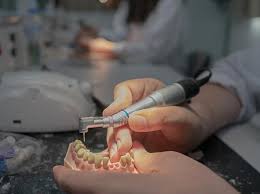
Ph.D. in Orthodontics
Ph.D. in Orthodontics is a research-intensive program that investigates the diagnosis, prevention, and treatment of dental and facial abnormalities. The program typically lasts 3 to 5 years a...
Ph.D. in Orthodontics
× Ph.D. in Orthodontics is a research-intensive program that investigates the diagnosis, prevention, and treatment of dental and facial abnormalities. The program typically lasts 3 to 5 years and includes courses in orthodontic theory, craniofacial development, biomechanics, and dental materials, as well as unique clinical and laboratory research. Students study growth trends, orthodontic appliances, craniofacial anomalies, and advances in digital orthodontics. Graduates are prepared for jobs in academia, research, or specialized orthodontic practice, where they can help to innovate treatment procedures, improve patient outcomes, and advance knowledge in orthodontics and dental care.
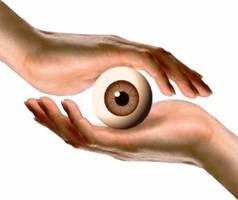
Ph.D. in Optometry
A Ph.D. in Optometry is an advanced research-based program focusing on the scientific study of vision, ocular health, and visual disorders. The course typically spans 3-5 years and emphasizes resea...
Ph.D. in Optometry
×A Ph.D. in Optometry is an advanced research-based program focusing on the scientific study of vision, ocular health, and visual disorders. The course typically spans 3-5 years and emphasizes research in areas like ocular diseases, vision correction, refractive surgery, and public health optometry. Students engage in comprehensive research methodologies, clinical trials, and data analysis, contributing to the advancement of eye care. This program is ideal for individuals seeking careers in academia, clinical research, or advanced practice in optometry. Graduates often become leaders in optometric education, policy development, and innovations in eye health technology.
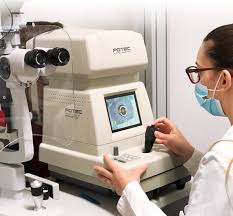
Ph.D. in Ophthalmology
Ph.D. in Ophthalmology is a specialized research-based program that focuses on the study of eye diseases, disorders, and treatments. The course typically spans &nbs...
Ph.D. in Ophthalmology
×Ph.D. in Ophthalmology is a specialized research-based program that focuses on the study of eye diseases, disorders, and treatments. The course typically spans 3 -5 years and involves in-depth research, clinical training, and academic coursework. Students engage in advanced studies in areas such as ocular surgery, vision science, retinal diseases, corneal disorders, and neuro-ophthalmology. The program prepares candidates for careers in academic research, clinical practice, and medical innovation. Applicants must hold a medical degree (MBBS or equivalent), and the program often culminates in a doctoral thesis based on original research in the field of ophthalmology.
POPULAR COURSES
(D.ED(TCH))
A.N.M.
Acharya - Navyavyakarna
Acharya - Phalita Jyotisha
Acharya - Sanskrit Sahitya
Acharya - Siddhanta Jyotisha
Adobe Photoshop
Advance Certificate Course in Beauty Therapy
Advance Certificate Course in Cosmetology
Advance Certificate Course in Hair Dressing
Advance Certificate Course in Makeup Artistry
Advance certificate Course in Nail Technology
Advance Diploma in Anesthesia Technology
Advance Diploma In Child Guidance And Counselling
Advance Diploma in Dialysis Technology
Advance Diploma in Disciples India
Advance Diploma in Fashion Design & Technology
Advance Diploma in Industrial Safety
Advance Diploma In Insurance Sales
Advance Diploma in Interior Designing
Advance Diploma in Journalism & Mass Communication
Advance Diploma in Medical Lab Technology
Advance Diploma in Operation Theatre Technology
Advance Diploma in Radiology & Imaging Technology
Advance Diploma of Proficiency in French
Advance Diploma of Proficiency in German
Advance Diploma of Proficiency in Russian
Advanced Certificate in Medical Microbiology Laboratory Technology (ACMMLT)
Advanced Certified Software Developer
Advanced Diploma in 3D Printing Technology
Advanced Diploma in Animation
Advanced Diploma in Aviation, Hospitality and Tourism
Advanced Diploma in Computer Application
Advanced Diploma in Computer Software, System Analysis & Application
Advanced Diploma in Data Science
Advanced Diploma in Hardware And Networking
Advanced Diploma in Information Technology
Advanced Diploma in Machine Learning
Advanced Diploma in Multimedia Programming
Advanced Diploma in Networking
Advanced Diploma in Sound Recording Technology
Advanced Diploma in Textile Design
Advanced Diploma in Vastu and Jyotish
Agriculture & Allied Services
Agriculture & Horticulture
Agriculture & Live Stock Production
Agriculture Technology
AHDP Diploma In Animal Husbandry Program
Arogyamitra
Artificial Intelligence And Machine Learning
Automobile Technology
B,Com. in Computer Application
B. Sc. Hons. in Anaesthesia & Operation Theatre Technology
B. Sc. Hons. in Emergency Medical Technology
B. Sc. Hons.in Medical Laboratory Technology
B. Sc. in Hospitality and Tourism Management
B. Tech. in Fisheries Engineering
B. Tech. in Leather technology
B.A. General
B.A. B.Ed.
Popular Stream
State
Andaman and Nicobar Island (UT)
Andaman and Nicobar Islands
Andhra Pradesh
Arunachal Pradesh
Assam
Bihar
Chandigarh
Chandigarh (UT)
Chhattisgarh
Dadra and Nagar
Dadra and Nagar Haveli
Dadra and Nagar Haveli (UT)
Daman and Diu
Daman and Diu (UT)
Delhi
Delhi (NCT)
Donets'k
Goa
Gujarat
Gujarat
Haryana
Himachal Pradesh
Jammu and Kashmir
Jammu and Kashmir(UT)
Jharkhand
jjj
Karnataka
Kerala
Ladakh(UT)
Lakshadweep
LAKSHADWEEP (UT)
Madhya Pradesh
Maharashtra
Manipur
Meghalaya
Mizoram
Nagaland
Niigata
Odisha
Puducherry